Welcome to Herb Notes. I'm Tara Ruth.
Cardamom (Elettaria cardamomum) is a sweet, warming spice used in Ayurvedic medicine and beloved in kitchens around the world. It’s treasured in herbal medicine for its aromatic, stimulating gifts.
Let’s dive into three gifts of cardamom…
1. Cardamom for Digestive Health
Cardamom is a classic carminative, meaning it helps ease gas, bloating, and digestive stagnation. Its warming, aromatic nature stimulates digestion, supports healthy movement in the gut, and can relieve feelings of heaviness after meals. Cardamom is especially helpful when digestion feels sluggish or cold. One of the simplest ways to work with cardamom is to cook with it—adding a pinch to teas, porridges, or meals. You can work with the pods (decocting them in teas or adding them to soups) or with the cardamom seeds directly. Ground cardamom is also a lovely culinary addition.
2. Cardamom for Upper Respiratory Infections
Cardamom is both antimicrobial and an expectorant, making it a wonderful ally during colds and respiratory infections. It can help fight microbes, soothe sore throats and calm coughing. It’s especially comforting when paired with warm teas or honey.
3. Cardamom for Circulation
As a warming circulatory stimulant, cardamom helps increase circulation from the core to the extremities. It gently warms the body and supports healthy blood flow. This warming quality also contributes to cardamom’s digestive and respiratory benefits.
And just a few contraindications to keep in mind…
Avoid use of cardamom in cases of biliary obstruction and severe liver disorders. Cardamom is contraindicated for ulcers, excessive heat signs, and aggravated pitta. Safety has not been conclusively established for use during pregnancy and lactation.
Wanna learn more about the benefits of other common herbs?
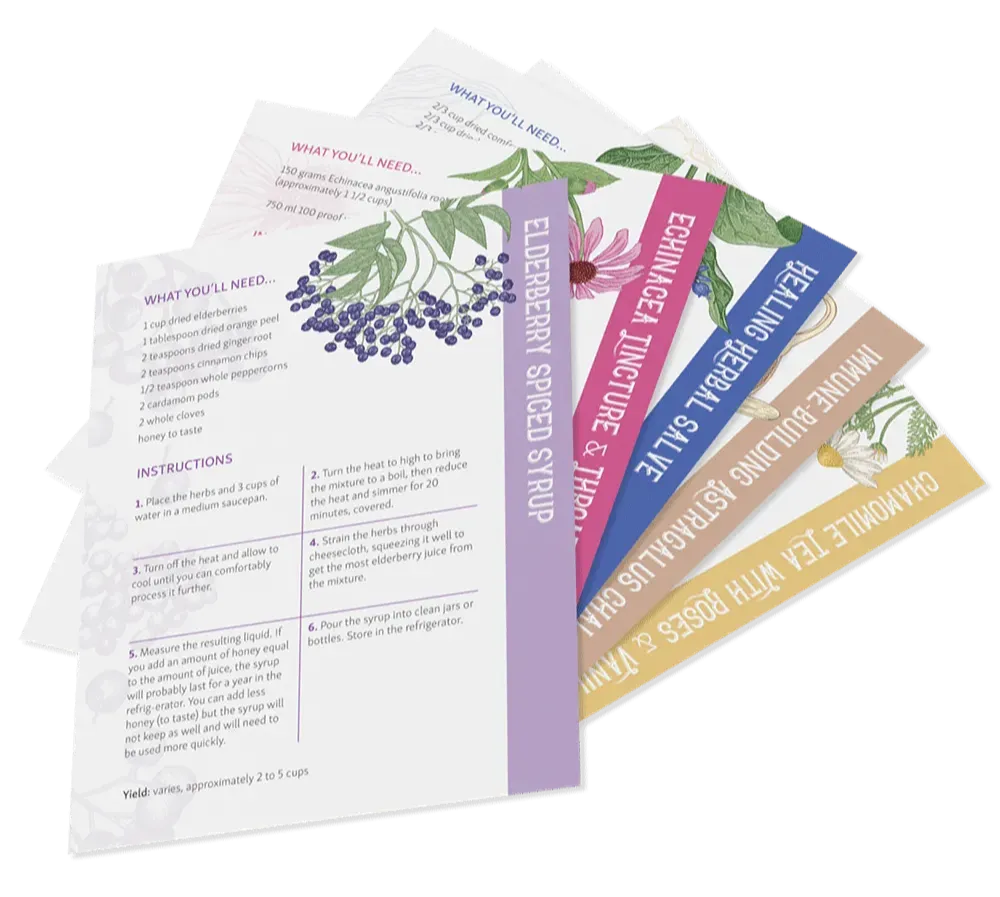
Visit HerbNotes.cards to grab a free deck of our top 12 Herb Notes. You'll learn all about herbs like elderberry, chamomile, and more.
This has been Herb Notes with me, Tara Ruth. Catch ya next time!