Welcome to Herb Notes. I'm Sorrel Hartford.
Known for its sweet and bitter flavor, dill (Anethum graveolens) is a quiet yet powerful medicinal ally in gardens and kitchens around the world.
Let’s dive into three medicinal uses of dill...
1. Dill for digestive functioning
Dill's minty, anise-like aroma indicates that this culinary herb offers more than just flavor. It also functions as a carminative, helping to dispel gas, ease cramping, and promote healthy digestion. Dill is particularly safe and effective for addressing digestive issues in children and has a long history of traditional use in alleviating infant colic.
2. Dill for breastfeeding parents
Beyond its colic-relieving properties, dill offers benefits for both infant health and postpartum wellness. As a galactagogue, dill can promote lactation and increase milk production in nursing parents. So, by consuming fresh dill, parents may simultaneously increase milk flow and soothe their baby's colic, thanks to dill's ability to ease infant gas!
3. Dill for cholesterol and diabetes management
Dill can help balance blood sugar, making it a beneficial addition to diets aimed at reducing insulin resistance. Recent studies also suggest that dill can lower total cholesterol, LDL, and triglycerides. This delicious herb may be a great addition to treatments for high cholesterol or type 2 diabetes.
And just a couple of contraindications to keep in mind...
Dill is generally recognized as safe for consumption by the FDA, although large doses should be avoided during pregnancy. It's uncommon, but some individuals have reported skin rashes from handling fresh dill, likely due to sensitivities to phytochemicals present in the carrot family.
Wanna learn more about the benefits of other common herbs?
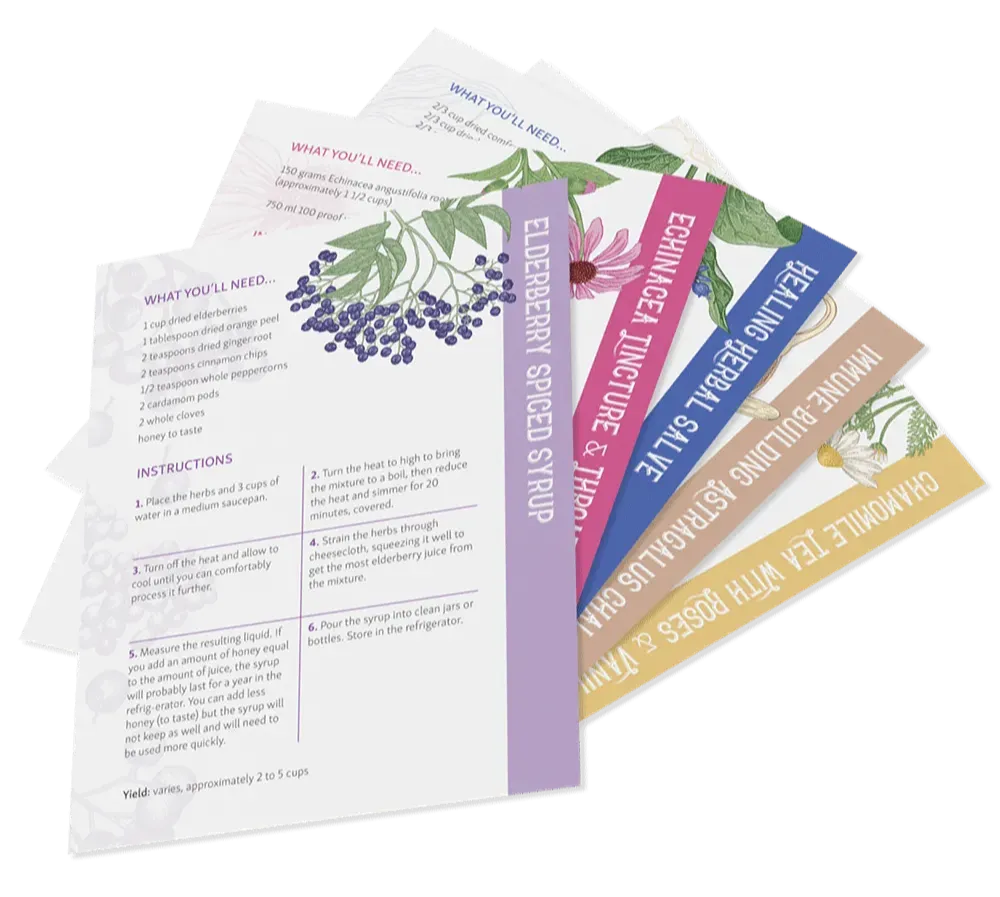
Visit HerbNotes.cards to grab a free deck of our top 12 Herb Notes. You'll learn all about herbs like elderberry, chamomile, and more.
This has been Herb Notes, with me, Sorrel Hartford. Catch you next time!