Hi everyone and welcome to Herb Notes, I'm Sorrel Hartford.
There's probably lavender somewhere in your life right now. In a hand cream, or a plant by the front door you've been smelling for years. What most people don't know is that instinctively relaxing smell is also one of the most clinically studied herbs in the world.
Lavender, or Lavandula angustifolia, has been used as a healing herb for centuries across Europe and the Mediterranean – and it continues to hold up remarkably well under modern scientific study.
Let's explore three medicinal uses of lavender:
First, and perhaps most famous, relaxation. Lavender is what herbalists call a relaxing nervine – an herb that calms the nervous system without sedating it into numbness.
Extensive studies on lavender have shown its usefulness in easing anxiety, insomnia, and even depression.
In perhaps the most striking study, a patented lavender oil preparation was shown to be as effective as the top prescribed medication for adults diagnosed with generalized anxiety disorder.
Herbalists often reach for lavender in cases of insomnia, but also for when clients feel foggy or stuck in ‘stagnant depression’. It helps ease the mind’s fixation on a specific painful memory or grief.
Second, pain relief.
This is where lavender surprises people most. Whether it's the severe pain of kidney stones, labor, post-surgical recovery, or uterine cramps, lavender has been shown in multiple studies to be a powerful ally in decreasing discomfort.
Researchers believe it works on several levels at once: it's analgesic and anti-inflammatory on its own, and its calming effect on the nervous system appears to reduce our overall perception of pain. That combination is why lavender works well as an adjunct therapy alongside stronger pain medications – it doesn't replace them, but it extends their reach.
Third, wound healing and infection. Lavender's antimicrobial and analgesic properties make it a practical herb for everyday first aid.
For minor burns, lavender essential oil diluted in a carrier oil decreases pain and supports tissue healing. Bug bites respond to it too; diluted oil takes down the itch and inflammation quickly. One clinical study showed that a formula containing lavender, clove, and herb Robert can be effective for relieving earaches and infections.
A small bottle of diluted lavender essential oil for topical use is one of the most useful things you can add to your home practice.
A quick note on safety: lavender is one of the safest herbs available, but a couple of things are worth knowing. If you're sourcing lavender for medicinal use, avoid florist-bought flowers, which may have been grown with pesticides. Purchase from an herbal supplier or grow your own. And lavender essential oil is best used externally, diluted in a carrier oil.
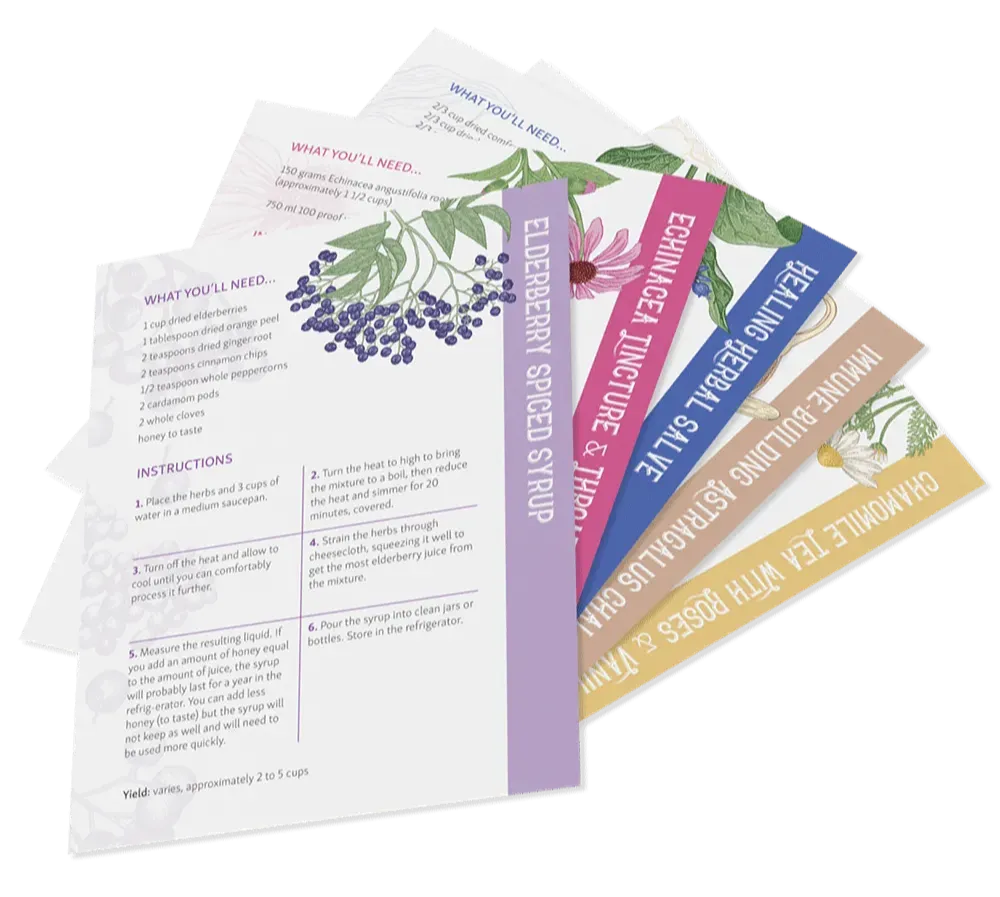
If you'd like to learn about more herbs like lavender, download our free Herb Notes flashcards, where you'll discover the medicinal benefits of twelve favorite herbs, including elderberry, dandelion, and many more.
Thanks for being here.
This has been Herb Notes with your host, Sorrel Hartford.