Hi everyone and welcome to Herb Notes, I'm Sorrel Hartford.
The name ashwagandha roughly translates to "smell of a horse." Not the most enticing introduction, I know. But the same herb carries a saying that has followed it through thousands of years of use in Ayurvedic medicine: *it gives you the strength of a stallion.*
That humorous tension is actually a good clue to what this plant does. Ashwagandha (Withania somnifera) is one of the most time-tested herbs in the world – used in India for somewhere between 3,000 and 4,000 years. It is most known for its ability to do two things at once: strengthen and calm.
Let's explore three medicinal uses of ashwagandha:
First, stress, anxiety, and burnout. Most energizing herbs are great for fatigue, but they can be too stimulating for people who are also anxious. Ashwagandha is different. Herbalists who work with it regularly note that it belongs wherever nervousness and exhaustion show up together – it can raise vitality and improve overall sense of well-being while also calming anxiety and fatigue at the same time.
This makes it particularly well suited to the modern experience of burnout: the person who is exhausted and wired all at once. It works gradually, rebuilding the body's capacity to handle stress from the inside out. Think of it as a long-term relationship, not a quick fix.
Second, sleep and nervous system restoration. Notice the species name: *somnifera*. That means sleep-inducing – its offering is right into the plant's botanical identity.
Ashwagandha is not an herb for acute insomnia the way valerian or hops might be. It's more like a nervous system reset. Taken consistently over time, it calms nervous agitation and helps the body return to healthy, natural sleep rhythms. People with long-term sleep troubles rooted in exhaustion tend to be the ones who respond most beautifully to this herb.
Third, vitality and reproductive health. Ashwagandha has long been prized as a strengthening and reproductive tonic. Rather than acting directly on hormones, it works by building overall vitality. When exhaustion is addressed and stress is no longer depleting your energy, sexual and reproductive health naturally improves. You have more to give because you are nourished.
A quick note on safety: ashwagandha is considered safe with no known toxicity at normal doses. If you're pregnant, check with a qualified herbalist or healthcare provider first. And if you're taking sedative medications, have that conversation with your doctor as well, since ashwagandha has sedative properties of its own. And like any warming, nourishing herb, ashwagandha is best used in appropriate doses. Taken in excess, it may aggravate pitta or ama in those with those tendencies.
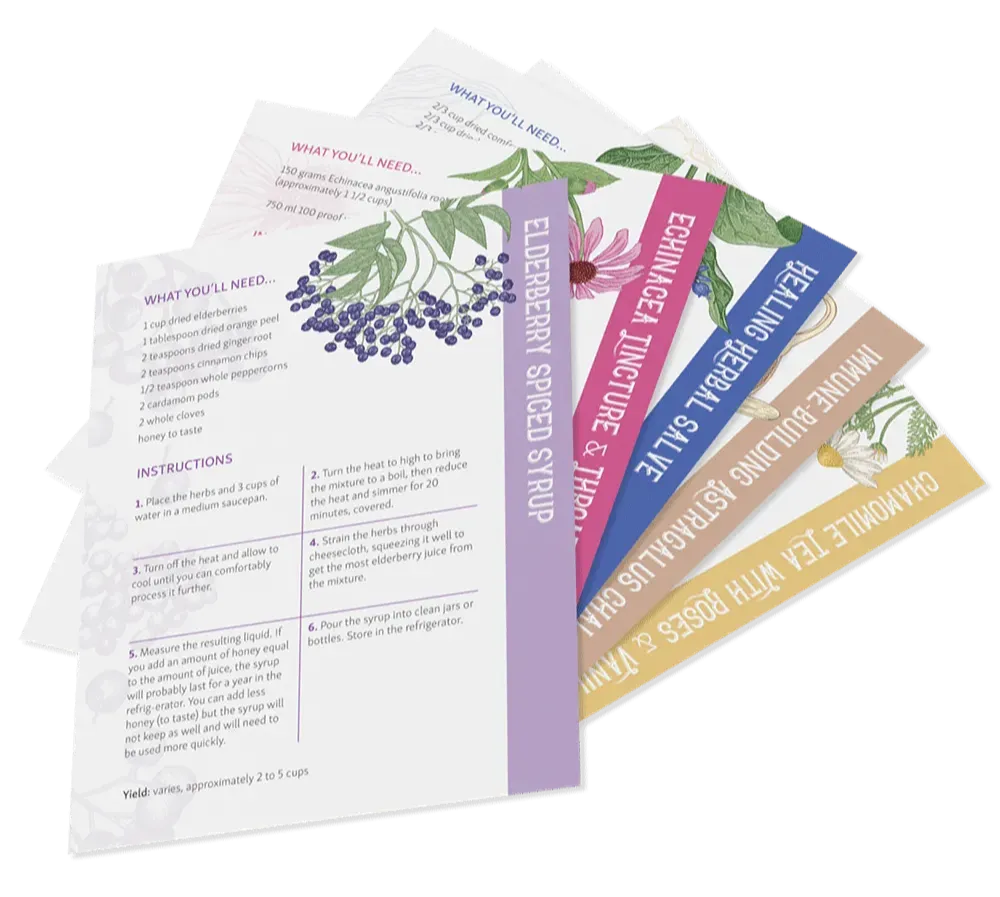
If you'd like to learn about more herbs like ashwagandha, download our free Herb Notes flashcards, where you'll discover the medicinal benefits of twelve favorite herbs, including elderberry, dandelion, and many more.
Thanks for being here.
This has been Herb Notes with your host, Sorrel Hartford.