Kimberly Gallagher:
You're listening to HerbMentor Radio by LearningHerbs. I'm Kimberly Gallagher.
Mimi Prunella Hernandez:
And I'm Mimi Prunella. And today we continue our journey through my book, the National Geographic Herbal. And this month we enter the woodlands exploring the medicinal plants of the forest and the relationships that herbalists here develop with these places. The healing heart tunes into the music of the forest. From the dry rattle of the black cohosh seed to the crackling projectile pop of the witch hazel seed. The sensory impact of the forest elicits awe and instills a knowledge of presence and peace in the vast web of life. And that's a direct quote from my book.
Kimberly Gallagher:
Beautiful. You're such a talented writer. Today we are joined by Jeannie Dunn, a North Carolina herbalist, educator, wild crafter, and owner of Red Moon Herbs, an Appalachian herbal company rooted in the Wise Women tradition and the use of fresh local plants as food and medicine. Jeannie has spent more than two decades working with the plants of North Carolina and the Southern Appalachians, developing a deep relationship with both the abundant herbs that grow close to home and the treasured woodland medicinals of this remarkably biodiverse region. Through Red Moon Herbs, Jeannie carries forward a tradition of fresh plant medicine making grounded in sustainable wild crafting, plant conservation, and responsible relationship with the land. Her work reflects a particular appreciation for Appalachian woodland plants and the importance of protecting and tending the habitats where these medicines grow. Jeannie is also a longtime part of Western North Carolina's vibrant herbal community, helping carry forward a living tradition of plant knowledge, medicine making and connection to place. Jeannie, welcome to HerbMentor Radio.
Jeannie Dunn:
Thank you so much, Kimberly. I'm really happy to be with you and Mimi today.
Mimi Prunella Hernandez:
Hey Jeannie.
Jeannie Dunn:
Hey. We're not that far apart, are we?
Kimberly Gallagher:
That's right.
Mimi Prunella Hernandez:
That's right. Jeannie's from my neck of the woods, y'all. We go way back. I feel like we go way back now. It's been a good amount of decades at least, at least one decade and plus, almost two. One of the highlights of this Appalachian mountain range is our forest that we enjoy here. And we know that this area just draws so many nature folks, so many herbalists because of the abundance and because of the magic of the woods, because of the medicinal plants. And our listeners love when our guests take them on a little journey. And so I'm going to ask you just right off the bat, let's anchor ourselves into this forest here in Appalachia. If you can, Jeannie, take us into one of these beautiful rich Appalachian coves where our woodland medicinals thrive and walk us in and what do we hear? What's the air feel like? And just, if you have a particular place or a memory that you want to share with us, just hold our hands and take us into the woods with you.
Jeannie Dunn:
Sure thing. Well, I'll tell you, the temperature drops at least 10 degrees from the difference of the wood's edge. And when you walk in you could be barefooted because the moss and the lushness of a hardwood forest, a deciduous forest with some evergreens is just so moist. You feel birdsong. You know you're not alone. It does feel like that there's eyes on you, but you still feel safe being there in it. I love stepping on rocks even on the ground. There's fresh springs that come out of the mountain that create different falling waters. That can be very mossy and slippery, so you want to be cautious on the rocks as you cross the water.
But it is a place where many of the native woodlands thrive, such as black cohosh, bloodroots. They're all growing in community with the trees, with the fungi. It's always a surprise to walk deep into the forest here. You never know what fungi might be there, what pollinators, what small animals might cross your path, even large ones. And I just sit amongst the moss and the tree sometimes and take a deep breath in and just listen and I don't say anything. I just hear the voice of the forest and I'm okay with the eyes on me. And you kind of forget time for a minute.
Mimi Prunella Hernandez:
I got goosebumps. I'm getting goosebumps.
Kimberly Gallagher:
Yeah. I can totally feel it, like just stepping in there with you. Thank you for that. Great.
Mimi Prunella Hernandez:
I love that. The lush and the moistness and the water and the moss. And there's bears sometimes. There are big animals around here, bears and bobcats. I could really see the love you have for stepping into the woods and the transformation that happens in you as you get deeper into the woods. Thank you for sharing that.
Jeannie Dunn:
Thank you. It's definitely my happy place.
Mimi Prunella Hernandez:
It's beautiful.
Kimberly Gallagher:
For sure. I can relate for sure. I love stepping into the woods, so that's a wonderful way to begin a podcast. Your relationship with plants also has deep family roots, Jeannie. You grew up on your family's farm in North Carolina surrounded by generations of women who knew how to grow food and preserve it, work with the plants and care for their families and their communities. I'd love to hear about these women, those that shaped you, that came before you, and now you have a daughter of your own. And how is that with having the whole lineage on the land? And can you tell us a little bit about what that's been like?
Jeannie Dunn:
I count myself very lucky that the place where I come from, and it's not Appalachia, but I've been here over about 30 years in Appalachia, but in Central Carolina and Efland in Northern Orange County, it was a place of tobacco, so all four of my grandparents worked the land with tobacco. My one granddad was a sharecropper who would work on other farms first before another farm came available that he made payments on. And then the other grandparents, there's been a settlement in that area or down further east since the 1700s in different little towns, but it seems like they probably moved around a lot for opportunity and then they settled north of Orange County in person in Caswell.
But I knew how to put food by from an early age because they all were canning and they canned outside. My granddad had welded a propane burner and I know folks, they don't want you to can like that, but that's the way they did it. And they didn't have pressure canners back in the day. They just boiled and boiled and boiled and nobody got sick. Produce became a thing after cigarettes kind of fell out of fashion in the 70s. And I grew up on a, you pick, we pick strawberry farm. And my dad lost his job in the 70s and my mom got really into back to basics and Euell Gibbons and she just went on the series of Foxfire and all that. And she ate dandelions and my dad built a cob oven and a grinder. And so we were in the paper one time for raising our honey bees and making our honey and having our own wheat and grinding it and our own bread.
Kimberly Gallagher:
Oh, wow.
Jeannie Dunn:
And mom was more of an organic farmer than a lot of people because there were a lot, there was Sevin Dust and there was things before Roundup to kill pests and to kill weeds and people used it and my mom wasn't really for it early on. I think we need to go back to those ways, but I'm really grateful I got to can and put food by, dehydrate, that kind of stuff. And so I guess I walked away for a while because I though, no, I got to go to the city. I got to learn some other things. I'm not a country girl anymore, but you can't really take it out of us, right? I came back around to my weed eating mama and she actually can't... She has dementia, so I'm teaching her now, so it's a journey full circle.
Kimberly Gallagher:
Wow. That's a big journey to be taking for sure.
Jeannie Dunn:
And then my great grandma, I found out more lately on the Dunn side, my father's side, she loved yellowroot and that was the herb I talked about in herb school with Mimi. I had no idea, my dad told me that she would have people go get it for her, but that was her panacea for digestion, flu, fever, everything, so yellowroot was important since the 1800s at least. I don't know before then, where she learned it, maybe from her mom, but she was a strong woman. Her name was Jenny Parthenia.
Mimi Prunella Hernandez:
Ooh, Parthenia. Feverfew. It makes me think of feverfew. Parthenium. Yellowroot for those of you who don't know. Tell us a little bit about yellowroot.
Jeannie Dunn:
Its affinity is to grow by creeks and streams and you don't have to dig the whole plant up and kill it. This is one of those sustainable practices. You can use some of the stem on it because if you scratch a little bit, you'll see that bright yellow color on the stem. The flowers remind me... The whole top... I don't know if you feel this way, Mimi, but it looks like a fireworks, the way that the flowers and stem-
Mimi Prunella Hernandez:
It does, like little stars.
Jeannie Dunn:
It's a beautiful plant. Even the leaf has some of the bitter digestive, supportive, bile inducing constituents.
Mimi Prunella Hernandez:
Really, really, we're so lucky. It's kind of like our secret little berberine containing plant. We have it all along the creeks here. It's like an abundance. And Xanthorhiza simplicissima. I love that name.
Kimberly Gallagher:
It reminds me of maybe Oregon grape here in the Northwest.
Mimi Prunella Hernandez:
Yes. Yes, it's the same compound. It's got the golden roots and I love the way you describe the flowers like little firecrackers.
Kimberly Gallagher:
Fireworks.
Mimi Prunella Hernandez:
Little stars, so pretty. And then your daughter too, you have a daughter here in Appalachia as well.
Jeannie Dunn:
I do. I have a daughter and a bonus son in Europe, but my daughter is here in Appalachia and she's half Puerto Rican, half Southern, whatever I am, Carolinarican. But I feel very lucky that she got to be with her grandmother, her abuela in Puerto Rico and learn how to cook some really delicious foods and the cuisine from that area, which is very... There's a lot of beautiful plants and fruits. But here in Appalachia, you think your kids aren't really paying attention, but then you overhear them speak to their friends and you know, hey, they were paying attention when they were walking in the woods or helping you garden or harvest.
Yes, she does have a affinity to the plants as well, so we'll see where it goes. She's 21. She's an artist and doing her thing and she reaches for the herbal extracts too or makes herself a tea or makes a friend a tea, so we are teaching people even when we're just living our daily lives. And I'm learning from her too about patience and not speaking before I think about it a sec. She's a calm kiddo.
Kimberly Gallagher:
Beautiful.
Mimi Prunella Hernandez:
I know Kimberly can relate because Jeannie and I used to go to these local herb conferences and our kid, because mine's 22, my son, Evan, and they used to play at these herb conferences just out by-
Kimberly Gallagher:
Beautiful.
Mimi Prunella Hernandez:
Or go on herb walks with us, just right here up to our knees following us around. I remember them putting herbs up their nose and laughing and just so fun, so fun with the little kids, but now they're grownups.
Kimberly Gallagher:
But they do, they absorb it in those young years and then it comes back around at some point. I think Hailey, my daughter has kind of stayed with it, but then Rowan, we had to rope them back into the media editing and LearningHerbs to get them back to their herbal roots. But it flows into their lives when it does. And so I think it's great that it's there in that deep foundational place from childhood.
Well, Mimi, I'm really loving this conversation with Jeannie. It's just so great to hear about her woodland area there in the Appalachian region. And I loved her description of that cool forest with the moss.
And it just makes me think about going out wild crafting. And that led me to think about that Wildcrafter's Toolkit course that we have over on HerbMentor. And this is a course that really brings you in with all of the things that you need to go out into the forest and really confidently wildcraft out there sustainably and getting all your tools together. I would just love to invite our listeners to maybe come join us over on HerbMentor. That's our membership site here at LearningHerbs and you could check out the Wildcrafter's Toolkit and we do so many beautiful things on HerbMentor.
Mimi Prunella Hernandez:
And so much inspiration. If Jeannie's inspired you, well, join the HerbMentor community where you can meet the plants, make your own herbal medicine, join our meetups, Learn with Kimberly, Learn with Mimi. We talk about hands-on herbal learning, plant wisdom, the how-tos, so many courses, and most of all, connection with a community in a collaborative learning environment.
Kimberly Gallagher:
Jeannie was talking so much about all of the ways that her community comes together around herbalism and the ways that the herbal community there even came together to support around the hurricane in the region. And here on HerbMentor, there's a whole community of people who are excited about plants and what they can bring to communities for wellness, so if you're craving conversation and connection with other plant lovers, this is a great place to come join us. Mimi mentioned the meetups, that's a place where you can get on live and interact with other people who are also part of the community and you can interact with Mimi and I. And sometimes we bring in guest herbalists like Jeannie to come talk to you, so you just have access to so many great resources when you join the HerbMentor community. And we just really love to welcome people in. It's such a low cost each month and we have a special deal for all of our podcast listeners, so go ahead and click that link so that you can get the HerbMentor Radio discount and come join us in community.
Mimi Prunella Hernandez:
Now let's get back and see what Jeannie has to say about ginseng.
Kimberly Gallagher:
Oh, I can't wait.
Mimi Prunella Hernandez:
Well, let's talk about your other baby, Red Moon Herbs, which talking about your grandmas and your great-grandmas and your mamas and your daughters, what a natural doorway into the Wise Women tradition. And this is, I know, an important part of your own path. And I know that Red Moon Herbs has a lot of Wise Women tradition woven into it. And so for listeners, because Red Moon Herbs is like a local treasure here in the South Appalachian here, so I really want to tell everyone about it. I want everyone to know about Red Moon Herbs and why this tradition within your company feels so familiar and how it relates to plants and nourishment and family and healing. Tell us about Red Moon Herbs.
Jeannie Dunn:
It's been around since 1994, so over 30 years. And I became director owner in 2012. And before then, between herbs school and starting a little company, it was like, I love the fresh plants that are prolific and around me. And it is the Wise Women tradition. It goes many millennia back. You might have different names, but it's about using the plants that are in abundance around you and using them fresh. And Corinna Wood and Jessica Godino founded Red Moon and Corinna was running the Southeast Wise Women's Conference and she passed the baton off to me. And it was one of honoring women's reproductive health with the Red Moon being about our moon cycles, about our connection to the plants with the seasons and the moon cycles.
And it also answers to anyone, any gender. You don't have to have a moon cycle to appreciate the way the moon and the sun and the stars are laid. And we use a lot of those naturalized weeds here. And some are European, they're not native, but we're using things like plantain, comfrey that's in many gardens and will spread really easily. Even when you break it off, it just makes more. Chickweed, cleavers, yarrow in many fields, St. John's, these things have naturalized here.
Mimi Prunella Hernandez:
And nettle.
Jeannie Dunn:
And we process... Nettle, stinging nettle.
Mimi Prunella Hernandez:
They stay red.
Jeannie Dunn:
Yeah. It is my favorite.
Mimi Prunella Hernandez:
That's where all the locals get their nettle medicine from Red Moon Herbs, nettles-
Kimberly Gallagher:
Oh, nice.
Mimi Prunella Hernandez:
... and mugwort and oat straw and a lot of these nourishing infusions, right?
Jeannie Dunn:
Yes.
Mimi Prunella Hernandez:
The bags of herbs and the fresh made liquid extracts or the tinctures that are so alive.
Jeannie Dunn:
The nourishing infusions are important for sure. A lot of herb steeped a long time, not just a tisane or tea, so this is how we get some of our minerals and vitamins in us through liquid.
Mimi Prunella Hernandez:
And the-
Kimberly Gallagher:
My teachers were part of that Wise Women tradition too, so I'm definitely on that infusion bandwagon. I've been doing them daily for the last 26 years.
Mimi Prunella Hernandez:
Oh, wow.
Kimberly Gallagher:
Yeah.
Mimi Prunella Hernandez:
Kimberly does her infusions every day. Every day.
Kimberly Gallagher:
I do.
Mimi Prunella Hernandez:
They are dark and rich. Yes, yes. I'd love it. And you do the infused vinegars too. That's what I love. I love, you do ginger. You have the chickweed, the bone building of infused vinegars at Red Moon Herbs and the spicy infused vinegars with the turmeric and the ginger. My kids are big fans of those.
Jeannie Dunn:
The fire cider, right? And then the dusty three sisters, the maiden, mother and crone wort, which is young chickweed, young motherwort and young mugwort because motherwort and mugwort get bitter the longer they grow, so we want to get all three of those in early spring, but one represents the maiden, one represents the mother in childbearing years, and one is the crone, mugwort are the things unseen, right? The dream states, the third eye, the above us and below. We love the minerals that pull out in vinegar. It's really important. Even if we're making our stuff at home, there's all these spring herbs that have come back around in our area. We're lucky. They've come out because it's second spring right now, right Mimi? Fall is second spring.
Mimi Prunella Hernandez:
I've seen that. Yes. Yes. It's pretty amazing to have a second flush.
Kimberly Gallagher:
Oh, that's great.
Mimi Prunella Hernandez:
I just got a whole new second flush of green beans. I'm like, "Where did these come from?"
Kimberly Gallagher:
Oh, wonderful.
Mimi Prunella Hernandez:
Just these old plants that I never pulled out of the garden yet. And I went out there. I'm like, "What? I've got hundreds of... Not hundreds, but a hundred green beans." I'm like, "Yay. I'll take them. What a treat."
Kimberly Gallagher:
Your spring treats twice a year. That sounds wonderful.
Mimi Prunella Hernandez:
Yeah.
Jeannie Dunn:
It's time to kind of hustle for that harvest. And then of course, tomatoes, squash and pumpkin time, but don't overlook those wild wacky weeds.
Mimi Prunella Hernandez:
That's right.
Jeannie Dunn:
Nettles is big right now. It's short again. Nettles seeded out, but some has come back four to 10 inches high, so I was really happy to see that.
Mimi Prunella Hernandez:
Nice.
Kimberly Gallagher:
Amazing. I hear you have a mantra that's eat more weeds. I love that.
Jeannie Dunn:
Yes. Yeah.
Kimberly Gallagher:
We've talked about some of those, the plantain and the St. John's. And I just want to go a little more deeply into that. What happens when we begin valuing these abundant plants that are growing all around us instead of always searching for those rare exotic ones and just the sustainability. And you want to say a little bit about that?
Jeannie Dunn:
Sure.
Kimberly Gallagher:
What do you love about the weeds?
Jeannie Dunn:
A lot of those young greens in spring, which are now popping back, like henbit, red dead nettle, gill-over-the-ground ground ivy, the stinging nettle, chickweed, cleavers, they make several great things. They made a great herbal vinegar. They make great pesto so you don't eat... When basil's long gone or basil's not up yet, you can make yourself an herbal pesto that's very tasty. It's also great as a finishing salt. A lot of these you could just put in salt and salt will naturally dry or you could dry them out and then crumble them with your salt and just have them for soups in the winter and broth. I just love them so much because when you go to investigate the vitamins and mineral content, it's like a lot, A, C, E, K, zinc, some iron. The list goes on and on. And they come up.
What I like to do is I leave spaces without mowing them and see what appears. And I do get some natives too, like elderberry, Lobelia inflata, Hypericum punctatum, which Mimi has growing lovely in a spot at her place. And jewelweed, my house is surrounded. I just let it not get mowed and the hummingbirds are amazing, so if you just leave it and see what weeds show up for you, it's incredible to see. Yes, we're all about getting those. And then some of them go into our nourishing oils that become salves or a body oil or facial oil. And then we have the others that go straight into organic cane alcohol that are used internally. It's just a matter of, is there enough time to get... And you can harvest just a little and it's so generous. It comes right back, so there's some for all the flora and fauna that need it or the pollinators.
Mimi Prunella Hernandez:
And this time of year, we even have some roots that are weeds, like the burdock and-
Jeannie Dunn:
Yellow dock, dandelion. We are harvesting those.
Mimi Prunella Hernandez:
Chicory root.
Jeannie Dunn:
Yeah, chicory. Chicory is wild on the sides of the road here and a coffee substitute when roasted lightly. I like to chop that one first because it does get pretty hard and dandelion's another good one. Chop it first into small pieces, dehydrate it, then you're going to low roast both of those, but why not experiment with some of the other edible roots too?
Mimi Prunella Hernandez:
That's amazing. I love that. And I know we've been talking about weeds, but this is our woodland episode, but I almost feel like you can't talk about treasuring the woodlands without talking about favoring the weeds. And I think Jeannie, because I'm sure I feel like we're on equal footing here in a way, because in the woods, we're really, at least I am, really conscious, really selective of what I choose to work with in the woods and the habitats and the stewardship. And so I'm always favoring those more abundant weeds. I think that's why we have this intersection of weeds with woodlands in this conversation. I wonder if you can speak to that about this sustainable harvesting versus actual stewardship and how we do our wildcrafting as herbalists.
Jeannie Dunn:
One thing I would like to say first is we are so lucky to be surrounded by national forests that have been protected here. Pisgah National is huge, so we can just step into woods and look and observe and take photographs. And some things are okay to harvest, some things need permits or permission. And there's a lot of private lands too that are in conservancy, so we're really lucky. What I see though is development otherwise being more of an issue than these people that are digging, which some people call thieves and poachers, and ginseng is one of those, but there's others too, like black cohosh, bloodroot, wild yam, that get a fair good amount of money when dug in large quantities. But there's so many ways to be sustainable about it. Partial root harvest on some of these woodland natives, being able to maybe harvest things like rose hips, rose leaf from multiflora rose that's extremely invasive.
I've seen so much multiflora rose choke out our woodland natives, so us being able to have that connection and look around, oh, this oriental bittersweet, I think it's Chinese oriental bittersweet is getting out of hand over here. Let me pull this. Oh wait, this redroot, orange redroot runs for quite a while. Oh, it's choking out where I normally come to partially harvest some black cohosh fresh. And then I put a piece back. Oh, let me kind of clean the forest out of some of these invasives. Or oh, maybe they are also extracts that we can use. That's what I'm constantly learning. I feel like a newborn baby about it. I'm just learning. I'm just scratching the surface, so I don't know if I answered-
Kimberly Gallagher:
Definitely. All of us feel that way as herbalists, right? It's like, oh, it's just a continuous learning adventure. We never know it all. But I really appreciate that.
Jeannie Dunn:
There's so much that you can... Of course, digging 10% or less, but who came before you? Was the stand bigger? Observing, did someone come in here? Did the animals move this around? Are the seeds being dispersed by turkeys? Did humans come in here? Those kind of things, just observing what's going on.
Mimi Prunella Hernandez:
I love what you said about scratching the surface because it really does take me to scratching the surface of pulling honeysuckle vines out of the Earth for months really here when I first got here to almost untangle the forest in a way, the edges of the forest. And once I did that, boom, so many native plants took its place.
Jeannie Dunn:
Yes.
Mimi Prunella Hernandez:
And of course I had honeysuckle syrup and honeysuckle tincture, and it's good for colds, and honeysuckle tea, and all kinds of yummy things from honeysuckle too, so it's a little bit of that balance, practicing that balance.
Jeannie Dunn:
We use the rub-
Kimberly Gallagher:
I love how as herbalists, we get into that reciprocal relationship with the plants. As we're pulling these invasives, we're tending the natives and it's like learning, learning what the plants need and being part of that web with them.
Jeannie Dunn:
When I feel a little overwhelmed with the world, like go, go, go. Okay, I went to an event, festival conference. If I go ground myself and pull a few weeds, wow, my mindset just changes.
Mimi Prunella Hernandez:
Yes.
Jeannie Dunn:
It's just little by little. We can only do one little postage stamp worth of, like you said, uncovering, giving the space to the natives to come back out. It might take you years, right? And they will come back in, so they're here. The invasives are here to give us something too. They are. English ivy is right outside my door because someone threw a pot of English ivy they got as a gift, I'm sure at some point. You see them in the grocery store still and I can make lots of laundry soap, lots of liquid soap, lots of all-purpose soap with English ivy.
Mimi Prunella Hernandez:
Down here it's kudzu across the street, down the road, this whole county down here, Jeannie, is kudzu everywhere. It's insane. It's in flowers so I can make jam and it smells like... Those purple flowers smell like grapes and so yummy, so beautiful, so you can appreciate it and also be like, "Oh my gosh."
Jeannie Dunn:
All parts of kudzu can be used. Kudzu is a beautiful thing. It was an accident, erosion control, but it's here to stay. I tried to make jelly the other day with the flowers and my friend and I went out. She's taller than me so she could reach some of the flowers that were higher up. And you don't want to get in it because you got to want to stay on the edge because it's a lot of vines and you could trip.
Mimi Prunella Hernandez:
You get tangled.
Jeannie Dunn:
You get tangled in, right? But I decided to go natural and make apple peel pectin and you pour hot water over apple peels, let it sit in the fridge overnight. And so I canned it and it became kudzu flower jelly. No, it became syrup, so I got syrup. I hope you have better luck with jelly or jam because all I got was syrup.
Mimi Prunella Hernandez:
Hey, syrup is great.
Jeannie Dunn:
It's very tasty.
Mimi Prunella Hernandez:
You get more hotcakes.
Jeannie Dunn:
Yep. It's a good syrup.
Kimberly Gallagher:
Just pivot and enjoy the syrup. Oh, my goodness.
Jeannie Dunn:
I'd rather be doing that all day, all day. I'm just foraging and finding and making recipes and sharing them. That would be my-
Kimberly Gallagher:
Yes.
Jeannie Dunn:
... joyful life.
Kimberly Gallagher:
Dream life.
Mimi Prunella Hernandez:
Me too, Jeannie. Me too.
Kimberly Gallagher:
Yes.
Mimi Prunella Hernandez:
Kimberly too. We're kitchen herbalists at heart.
Kimberly Gallagher:
Yeah, that's my favorite part of herbalism is the harvesting and the preparing. Yep. I'm right there with you. We've talked about some weeds. We've talked about some invasives. Let's talk about one of the natives that grow there, the American ginseng. That's one of the plants that we wanted to highlight in this episode. And there's just such complexity around ginseng and it's got a tradition there in that region in Appalachia. And I'm just curious if you could tell us a little about your relationship with American ginseng and when did you first come to know that plant and what do you wish herbalists understood about ginseng before they ever even think about harvesting it or purchasing it?
Jeannie Dunn:
I think sourcing is so important, knowing that someone who's been doing this for multiple generations or even maybe looking at indigenous, getting from indigenous folks who harvest this plant, those who wild simulate or force farm it is another way that it can be used in a more sustainable way. It's not that America is even consuming much of it. Most of it gets sent to Asia, so we don't even get to enjoy this beautiful plant right from Appalachia. Let's see, 20 years ago I tried to plant... Joe Hollis, rest in peace, from Mountain Gardens, told me he'd seen it in Duke Gardens a long time ago down in Durham. I'm from the county next door, so I put it in my parents' forest, but the cows had trampled that land so long that only a few years ago did the grandmother plant make daughters that made babies. And there were 20 babies about two years ago. And so it took 18 years down east, but it's not the best climate for it. Here in Appalachia we could be putting it in our city forest lots.
We could put it anywhere because the climate's cooler, so why doesn't this plant have more attention? Millions of dollars, hundreds of thousands of plant material go exported. Now a lot of that is, I think it's a million pounds, but most of that's cultivated, right? Panax quinquefolius. But our wild is something like up to 100 to 150,000 pounds a year of the wild going mostly elsewhere. It's crazy. But the leaf, the leaf is a great source too, the whole plant. And Joe Hollis had a way, and I tested it the last few years, he said you sell neck nodes with the bottom root when you export, but you can sell partial pieces here for without the neck node. But he would say, "Well, just plant the neck node with a piece of rootlets and do a partial root harvest on this one." And it works and it looks... When you replant it looks more like a cultivator.
It gets really fat the next year or two years later because it's trying to make up that you cut it and you took a very significant part of some of those years because each neck node node is a year of growth, so if you've got a real gnarly neck node... I wish I had one to show you, all the leaves have gone down right now or either I pluck some for personal use, but I weighed out 7.3 fresh plant pounds and it made just under two ounces. I was pretty lucky. It was fairly dry this year, but the ratio is four to one dried down from fresh to dry or five to one, sometimes more up to seven to one-
Mimi Prunella Hernandez:
Wow.
Jeannie Dunn:
... on leaf and stem. I've asked diggers, "Can you get me the leaf? I'll dry it myself. We'll dry it at Red Moon." And they're like, "I can't carry that out of the woods." Working with more of these forest farmers and these wild simulators, ones that make it grow like it would in the wild, this is the key. Or like Joe said, this partial root harvest, so there's so many ways to... This special plant, which gives a lot of energy, is used for libido issues, it's an aphrodisiac, it's an adaptogen. It's so many things, but we can also look to some of the wild weeds for that energy too and grow adaptogens like spikenard, Aralia racemosa, is an adaptogen. Siberian ginseng, which now eleuthero, that's another adaptogenic one with. Gynostemma or jiaogulan, it's a poor man's ginseng and the leaf is tasty. It's sweet, bitter and sweet, and it makes a great tea, and it gives you energy as well, so there's substitutes and we just need to be planting more of this plant.
Mimi Prunella Hernandez:
That's fascinating. What I'm hearing is that you're actually working or choosing to work with the leaf, it sounds like. And I think that might be a new concept to a lot of people because everyone's so after the root. And when you say 150,000 pounds, that's a... And that it dries down so much, that's a lot of ginseng and they're just leaving the leaves in the forest. But you're choosing to work with the leaf, which has what? Do you feel a similar energetic, a similar flavor? What's the leaf like for you? Do you make medicine from it? How do you work with the leaf?
Jeannie Dunn:
We have tried to, since we're such a company that likes to make fresh extracts, this is one I don't recommend. It's more a taste that making a double extraction with the leaf was better, so an aqueous water slow extraction and then taking the dried leaf, some of it, and doing a high proof alcohol extraction first, four to six to eight weeks, and then merging the two of those. And there's ginsenosides that are in the leaf. Sometimes the ginsenosides are actually reading higher in some studies than the root, or there's different ginsenosides because there's multiple ones, so the leaf has some, the root has others. There's some overlap, but together the whole plant medicine is... The whole plant extract is a beautiful thing, right?
Mimi Prunella Hernandez:
Yeah.
Jeannie Dunn:
But the leaf is very sustainable. You don't have to worry about this partial root harvest. You're not killing the plant. We're taking the leaves after the berries have already formed. The fruit is there. The seed has fully formed. Some of them don't come to fruition. There'll be the round seeds in the middle and you might only get four seeds off that. And sometimes they're doubles. I've seen triples in one seed fruit, but sometimes there might only need one and the rest are just immature seeds. But when those come out and they're mature, then we can take the leaves. And anecdotally, I do not have the research on this, but anecdotally people would say take it when it's going to get from green to yellow, so we sometimes use partial green and partial yellow leaf.
Mimi Prunella Hernandez:
But the important thing is that the root will make another plant next year.
Jeannie Dunn:
That's right. It will go from three prong to four prong to five prong as it ages, right? It may become a five pronger, which is basically five leaflets around, so we're saving the population. Nobody is the demand there. I don't think so, so we do currently do a ginseng with root, either simulated root, a very sustainable source or this partial root harvest blended with... Both are double extraction, double extraction root, double extraction leaf, organic alcohol, water, and a little local honey to make a ginseng elixir. We also have the leaf in brain boost with... It used to be called the three Gs, like the BG. Shout out to-
Mimi Prunella Hernandez:
I remember.
Jeannie Dunn:
Ginseng, gotu kola and Ginkgo biloba. But because to me, ginseng's kind of a catalyst for circulation, and isn't our brain a lot of circulatory action, so gotu kola and ginseng, you know have affinity for brain system function, but adding that ginseng I think gave it a little boost. But it's just leaf.
Kimberly Gallagher:
No doubt.
Jeannie Dunn:
We're probably going to phase out of the root eventually because of this over harvest, which is a real shame because my little plots are getting bigger, but I still don't feel comfortable taking full root. I only do partial root harvest on those.
Kimberly Gallagher:
It's such a balance as you're trying to run your business and grow it, and get a sense of what people want, and yet also work sustainably with the plants that are around you, so I'm curious if you can talk a little bit about that. What has working at Red Moon and running this company taught you about responsible herbal commerce and how that can look?
Jeannie Dunn:
I think just the fact that there's so many weedy herbs that we are... If you looked at our catalog or our website and you did a search, you'd see that a lot of the things that we use for our extracts are ones people are spraying Roundup on to get rid of. But it goes way beyond like, "Hey, this is a sustainable herb because it's a weed or it's a plant that's unwanted or in the wrong place." We collaborate with farmers and foragers who are looking at pristine places and we do harvest from pristine places ourselves and work with those that do the same in natural organic fashion. And it's more about the whole company being able to recycle, cut down our plastics, use filters that would make our water pure. It's composting. It's so many factors, making small raised beds that plants or companions together, considering when the moon cycles too, when you transplant, when you harvest, all this kind of is sustainability, isn't it?
Kimberly Gallagher:
Yeah.
Jeannie Dunn:
When you make it one big system. We use a lot of drought tolerant plants like motherwort, St. John's, Scutellaria lateriflora. Those don't need a lot of attention. And we do irrigate some and when to get them going, but we live in such a... We're at the base of Mount Pisgah where it rains almost every afternoon in spring to fall. There's a little short rain, so we're really lucky that our location helped us be able to form better or wild simulate, like put the black cohosh, bloodroot, ginseng, goldenseal in the forest and just let it do its thing. I think that kind of speaks to using the plants that are around you, especially the weeds, but also what grows well in your area.
Don't try to fight the system and have to heat a greenhouse early on, irrigate constantly, choose a crop that is going to get powdery mildew like hemp and hops here. Those two don't do well, so they need a drier place. We even get problems with blue vervain, skullcap, and they get a little powdery mildew, bee balm, the monardas.
Mimi Prunella Hernandez:
Always.
Jeannie Dunn:
We just have to choose to pick the top parts or skip it one year. We're practicing patience. Sometimes we just have to be out of an herbal extract and that's okay because it wasn't a sustainable harvest.
Kimberly Gallagher:
I love that, like taking the whole system into account. It's looking at the big picture in order to create that sustainable way of being with the web.
Mimi Prunella Hernandez:
And just working with the rhythms of nature that some years you're just not going to get that harvest. I have my St. John's wort oil that I make every year. Well, one year it just didn't come in. Then the year after it came back. Sometimes it's just the plant, it can be tricky. It depends on the rain or the weather or the system, but you can't always... You got to go with it. The plant leads, right? Speaking of leadership, Jeannie, you're quite a force of nature here in our Asheville herbal community. It's been really beautiful watching you rise up into your full expression of yourself. So many people look up to you and look to you for business advice, community, networking, just bringing people together. I know that you've been involved in one of my favorite events, and I talk to Kimberly about this often. I'm like, we have the biggest herbal event in the world.
Jeannie Dunn:
At least North America, but maybe the world, right?
Mimi Prunella Hernandez:
I think North America. But that's the Asheville Herb Fest, the Asheville Herb Festival, which has such a long tradition as far as I can remember being an herbalist in this area. What do you think makes this region such fertile ground for herbalism? And maybe put a little shout-out to the Asheville Herb Fest and what's that about?
Jeannie Dunn:
Oh, let's see. I do want to acknowledge the Eastern Band of Cherokee who've been here for millennia. And I think they had a big hand in preserving some of this land for sure. And just the flora and fauna is so incredible that it's just been a mecca. It's been an area that drew you in, right Mimi, and many other herb schools even maybe 25, 30 years ago? We have to thank North Carolina State University who did a research station here. And they have a plethora of information on their website about cultivating medicinal woodlands and trying alternative crops. The Daoist Traditions is here, that school. We've got Ayurveda school here. It has become that it just... Some say it's a vortex of the crystals in the mountains, right?
Mimi Prunella Hernandez:
Right.
Jeannie Dunn:
It might just be that. For some reason we come here and that's what I said even before I moved here. I just think it's calling me. I don't know exactly why, but what did get taken out by deforestation down east, woodland plants, I wanted to learn about them here. And it's just so... And we've got, thank goodness, the Blue Ridge Parkway, many walking trails that come through here. It's just so fabulous. The Herb Fest, that is thanks to those that have moved on. We really appreciate... That was started in 1994, I believe, or maybe the same year as that Red Moon got started elsewhere and then moved here. And it was started as Herb Days and then it became Asheville Herb Fest at the Western Farmer's Market. And then it became more traffic than it could handle and parking issues, so we moved to the Ag Center just near the airport.
If you do want to visit, because it is the biggest one as far as we know in North America, definitely in the Southeast, it's usually the second to last weekend in April. There's a board members of four to seven people that put this together, mostly volunteers, some partial paid, and there's 70 plus vendors. Mimi's been there a few years with your books and other things. And there's so many plants. If it's herbal, it's probably going to be there. It's plant starts too for tomato, squash, okra and such things too. But I didn't grow up doing that. We did tomato starts, but we direct seeded down east. But here it's a little more challenging, so the start, the transplants are better, right?
Mimi Prunella Hernandez:
Mm-hmm.
Jeannie Dunn:
There's 20 to 40... Usually 20 to 30 classes that are free. The event is free, the parking's free, Asheville Herb Fest, ashevilleherbfestival.org. And it's totally worth the drive or fly over for sure.
Mimi Prunella Hernandez:
It's so awesome. And you're right. It's just in time to plan your garden. I mean, I think that's part of why it's so famous and so well attended because people come from all over the region with their wagons to come and get their plant starters. And people are always asking me, "Well, how'd you get a lemon verbena or the lemongrass or the native this or that?" I'm like, "Asheville Herb Fest. They've got everything you need."
Jeannie Dunn:
We've had so many seed failures. There's a greenhouse fan that went out. It got too cold. It got too hot. We leased from a local Ruby Ranch that's near us, a permaculture and ranch with horses. And it's been wonderful in our outdoor plot, but you just never know if your seeds are going to make or take, so you might as well just go to Asheville Herb Fest.
Mimi Prunella Hernandez:
Well, also shrubs. I mean, native like rhododendrons and azaleas and just pawpaw trees and all kinds of just beautiful Appalachian shrubs and perennials. I love it.
Jeannie Dunn:
We did have a rhodiola that was native, but it's extirpated at this point. But I believe it was growing on Morrow Mountain. And I think just the traffic of people killed the species. But if you find it, please take a picture and let me know, right?
Mimi Prunella Hernandez:
Oh, I will. I will.
Kimberly Gallagher:
It'll pop back up. Oh, my gosh. I'm going to have to come out and join you for that herb fair sometime.
Mimi Prunella Hernandez:
I know. Yes.
Kimberly Gallagher:
I won't be able to probably bring the plants back all the way to the West Coast, but it'll be fun to see them.
Mimi Prunella Hernandez:
Yes, it would be.
Kimberly Gallagher:
And mostly to see you guys out there. Yeah, so good. This whole idea of community and herbalism kind of took on a different meaning with the hurricane that came through, Hurricane Helene. I'd love to just talk a little bit about your experience with that and witnessing the herbal community coming together and what that can mean for a community.
Jeannie Dunn:
Wow. We were so lucky that so many people stepped up in so many different ways, for housing, food, water, herbs. Some of the areas that didn't get hit, like Mars Hill, which is just north of Asheville, they were boots on the ground right away with a first aid pop-up and herbal supplies, but they also started with just water and food and some supplies as well. What formed was called Appalachian Herb Collective, and it was probably 13 herbalists, but maybe nine hubs, nine, ten hubs, and just offering up resources. And we have to thank everybody that came forward on Facebook and Instagram from across the nation, thank you so much because you sent things in and made a big difference. Big companies, big companies sent in teas. I can't think of all the names. Maybe I can tell y'all later and we can put that in the comments.
Mimi Prunella Hernandez:
Sure.
Jeannie Dunn:
Because there's a lot of wonderful people who showed up and even those that have a small apothecary or a smaller company would send bottles for dispensing, eight, four ounce, 16 ounce. What we did at Red Moon, we call it... It's an old United Methodist Church and we call it the Church of the Holy Basil. And we came together in community because holy basil surrounds us. Elderberry and holy basil surround us and they just like it. But also it's just a play on all the church names. But people just showed up because there was people over 65, 70 who said, "Well, I'm not going to be able to go down by the river and pull brush out or help somebody clean up their site that is destroyed. How can I help?" And they came and they poured. They poured one ounce fire cider. We made tea blends. We made small salves. We served tea and had a potluck so you could eat. There would be a popup clinic thanks to folks like Renee Prince and many others who volunteered their time and saw clients, customers or clients.
We had little demonstrations, "Oh, come on, get hands on. Let me show you how an infused oil turns into a salve. Let's do it right here." And so people were just so happy to just be able to help in some way that they knew then could go to different communities, little popups here and there. Whenever they were putting food out or distributing canned goods, we could pop up and show up. I felt a little overwhelmed because I wanted to be so many places. And one place I went was an RV park that is probably not there now, but he had led a bunch of RVs that were donated come on and it was a village. And I went there to do an herbal pop-up and they said, "Our cook, his back's hurt right now. We're just kind of wanting a meal." Erica Joy Olson and I just started fixing a meal and we used canned goods that were in this cupboard and they had an outdoor kitchen with a tent and we just made food and we put the herbs aside on a table. People want food and water.
And we went back. Several of us from Red Moon and other volunteers I called, they went back and we served food instead. Sometimes you have to pivot once again, but Appalachian Herb Collective, we're coming up on the two-year anniversary. We'll be doing some pours for community. It's really turned more into these occasional herbal pop-ups or collect for the Latino community, the BIPOC community, some of our homeless community. If someone asks, I will try to blend formulas or ask community to come together and help me. And there's many Cherokee folks and there's plenty of opportunities to keep giving to clinics, low cost or free clinics in the area. It's a lot.
Mimi Prunella Hernandez:
Amazing.
Jeannie Dunn:
The landscape has changed. There's many creeks.
Mimi Prunella Hernandez:
The landscape.
Jeannie Dunn:
Yeah, very much, very much so. The herbs are resilient for sure. And the people showed their resilience too. They really came together. I just hope we don't forget it.
Kimberly Gallagher:
All of the beautiful things that happen along with the trauma and the disaster and just those webs and trying to find what's needed and where and just building that deep sense of community through coming together and responding. It's beautiful. Thank you for sharing about that.
Mimi Prunella Hernandez:
Yes. Thank you, Jeannie. And it has been really magical too watching the land heal. I know that the spring immediately following, because here we had some flooding here of course, and some damage in our county, but I'll never forget that first spring, my entire lawn, which had been washed away from the flood was nothing but dandelion flowers. It was nothing but dandelion flowers. It was just a lawn of golden flowers everywhere. It was so magical, but just the healing flush of dandelion, it just was so amazing.
Kimberly Gallagher:
They come where they're needed, those dandelions.
Mimi Prunella Hernandez:
Yes. Yes.
Kimberly Gallagher:
Despite our best efforts to weed them out.
Mimi Prunella Hernandez:
We're winding down. Thank you. I love the stories of your world and all the work you've done and your enchantment with the woods and the plants around you. Before you go, if you could tell us what's going on at Red Moon Herbs now, how can our listeners find you, learn more about your work, what's going on next? How do we jump on the Jeannie Dunn vibe?
Jeannie Dunn:
Oh, gosh. We're always looking for more teachers at the Church of the Holy Basil. We've got the chapel. And so we would welcome guests from far and near to come and teach that we do things like lye soap right now, a lye soap class coming up, a tea, a meditation, women's empowerments, a grief circle. There's a lot of things that... Pouring for community will be coming up soon. That's free. We have herb walks with botanists and local plant enthusiasts, those who are pro, save the natives as well. We really encourage that. I haven't had Nancy Baskin in a long time, but would love to have a kudzu basket class again with her. Any of this is a beautiful thing. We try to keep some low cost classes available.
Redmoonherbs.com is where you can find us. Let's see. We just want to open up. There's Pisgah View Ranch that's down the road from us. The storm delayed the opening of that state park, but we hope one day that we'll be able to collaborate with our neighbor farmers. And there's quite a few makers out in Hominy Valley at the base of Mount Pisgah. And we want to be able to maybe collaborate with Pisgah View Ranch, which is going to be this park with cabins and walk on that land. And Pisgah National Forest isn't far away either, so we're really lucky to be right 15 minutes from the parkway or 20 minutes.
Mimi Prunella Hernandez:
Redmoon.com?
Kimberly Gallagher:
.com.
Jeannie Dunn:
Redmoonherbs.com.
Mimi Prunella Hernandez:
Redmoonherbs.com. Also get your fresh plant extracts and your Wise Women nourishing infusions and so many beautiful products there.
Jeannie Dunn:
And you can follow us on Facebook or Instagram and sometimes the updates for events are more fresh there, the quick things that we might have. Thank you.
Kimberly Gallagher:
Beautiful.
Mimi Prunella Hernandez:
Thank you.
Kimberly Gallagher:
Oh, Jeannie, thank you so much for joining us today on HerbMentor Radio. I just really touched my heart to hear your stories and just feel the passion that you have for the plants and your care for the people and your community and just the whole web of life. I just really see how you're just weaving it all together and bringing so much goodness to all of the area around you.
Jeannie Dunn:
Thank you.
Kimberly Gallagher:
Just really grateful to have met you and thanks for joining us.
Jeannie Dunn:
Thank you.
Mimi Prunella Hernandez:
And thank you. Thank you to our listeners for being here with us and having Jeannie here tell us about her generations and her relationships with the rhythms of the woodland habitats and helping these medicines flourish. We'll see you next time and we'll let Kimberly sign us off.
Kimberly Gallagher:
Until next time, keep learning, keep growing and keep cultivating your relationship with the plants. Thank you for joining us on HerbMentor Radio and don't forget to stick around for an Herb Note.
Sorrel Hartford:
Hi everyone and welcome to Herb Notes. I'm Sorrel Hartford. The name ashwagandha roughly translates to smell of a horse. Not the most enticing introduction, I know, but the same herb carries a saying that has followed it through thousands of years of use in Ayurveda. It gives you the strength of a stallion. That humorous tension is actually a good clue to what this plant does. Ashwagandha or Withania somnifera is one of the most time tested herbs in the world, used in India for somewhere between 3,000 and 4,000 years. It is most known for its ability to do two things at once, strengthen and calm.
Let's explore three medicinal uses of ashwagandha.
First, stress, anxiety, and burnout. Most energizing herbs are great for fatigue, but they can be too stimulating for people who are also anxious. Ashwagandha is different. Herbalists who work with it regularly note that it belongs wherever nervousness and exhaustion show up together.
It can raise vitality and improve overall sense of wellbeing while also calming anxiety and fatigue at the same time. This makes it particularly well suited to the modern experience of burnout, the person who is exhausted and wired all at once. It works gradually, rebuilding the body's capacity to handle stress from the inside out.
Second is sleep and nervous system restoration. Notice the species name somnifera, that means sleep inducing. Its offering is right there in the plant's botanical identity. Ashwagandha is not an herb for acute symptoms of insomnia the way valerian or hops might be. It's more like a nervous system reset. Taken consistently over time, it calms nervous agitation and helps the body return to healthy natural sleep rhythms. People with long-term sleep troubles rooted in exhaustion tend to be the ones who respond most beautifully to this herb.
Third is vitality and reproductive health. Ashwagandha has long been prized as a strengthening reproductive tonic. Rather than acting directly on hormones, it works by building overall vitality. When exhaustion is addressed and stress is no longer depleting your energy, sexual and reproductive health naturally improves. You have more to give because you're nourished.
A quick note on safety. Ashwagandha is considered safe with no known toxicity at normal doses. If you are pregnant, check with a qualified herbalist or your doctor first. It has been known to have abortifacient effects. If you're taking sedative medications, have that conversation with your doctor as well since ashwagandha has sedative properties on its own. And like any warming, nourishing herb, ashwagandha is best used in appropriate doses. Taken in excess, it may aggravate pitta or ama in those with those tendencies. We go all into the appropriate dosages and answer your favorite frequently asked questions about ashwagandha in the Herb Notes blog post.
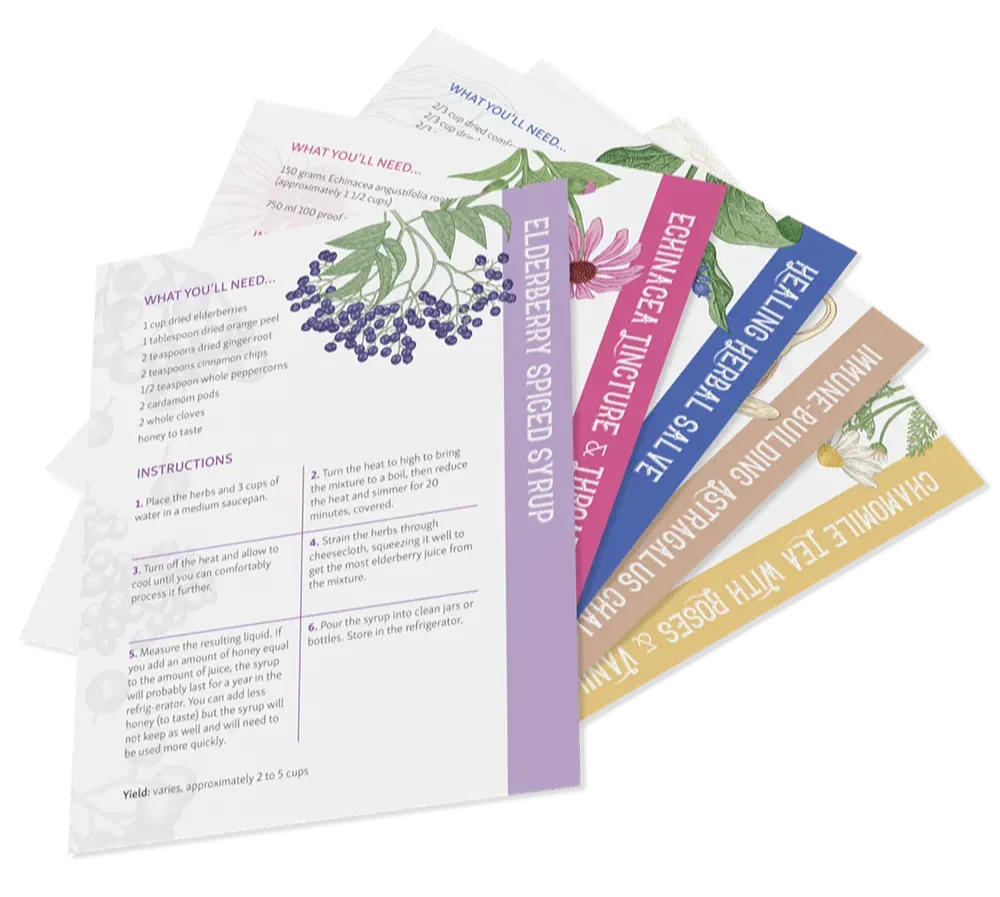
You can find it linked in the show notes. If you would like to learn more about herbs like ashwagandha, you can download our free Herb Notes flashcards where you'll discover the medicinal benefits of 12 of our favorite herbs, including elderberry, dandelion, and many more.
Thank you for being here. This has been Herb Notes with your host, Sorrel Hartford.
Rowan Gallagher:
HerbMentor Radio is a 100% sustainably wildcrafted podcast written and performed by Mimi Prunella Hernandez and Kimberly Gallagher with production and editing by me, Rowan Gallagher. Visit herbmentorradio.com to subscribe on your favorite podcast app and find out how you can be a part of HerbMentor, a community hub for herbalists that you have to see to believe. HerbMentor Radio is a production of learningherbs.com LLC. Thank you so much for listening.