Herb Notes: The Benefits of Ashwagandha
The name ashwagandha roughly translates to "smell of a horse's urine or sweat." Not exactly the most enticing introduction. But wait – the same herb carries a companion saying that has followed it through thousands of years of Ayurvedic tradition: it gives you the strength of a stallion.
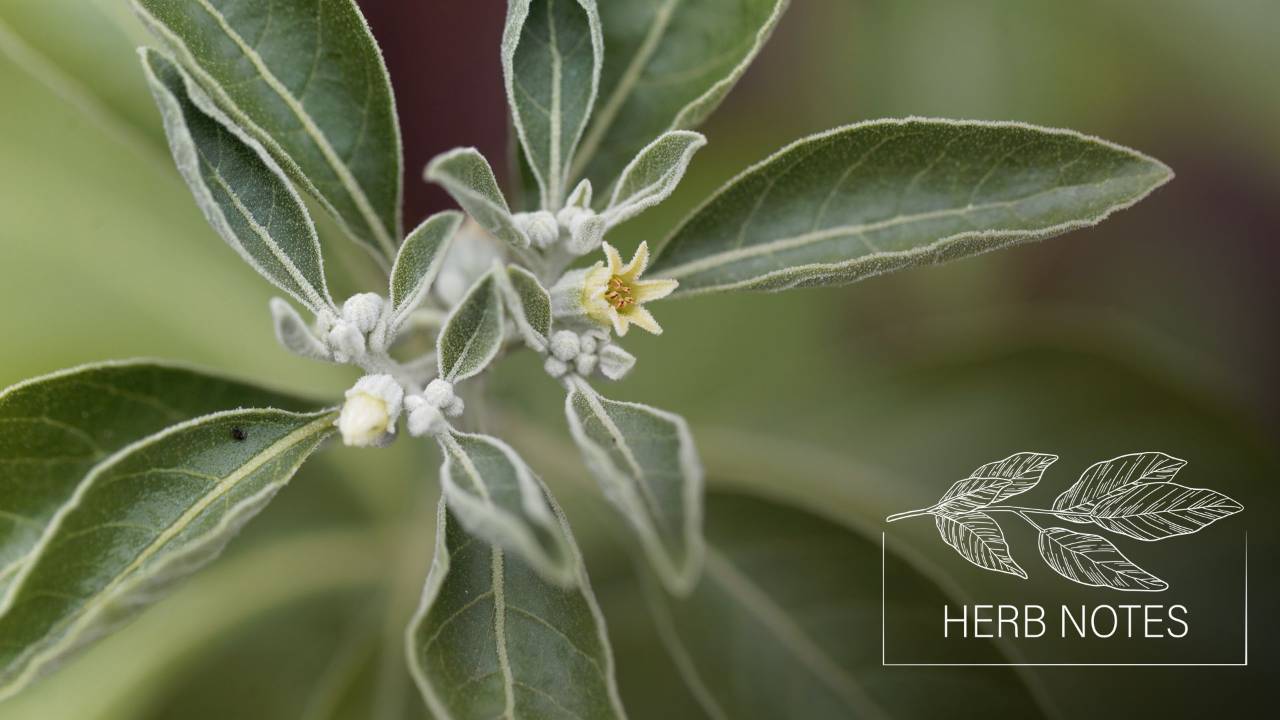
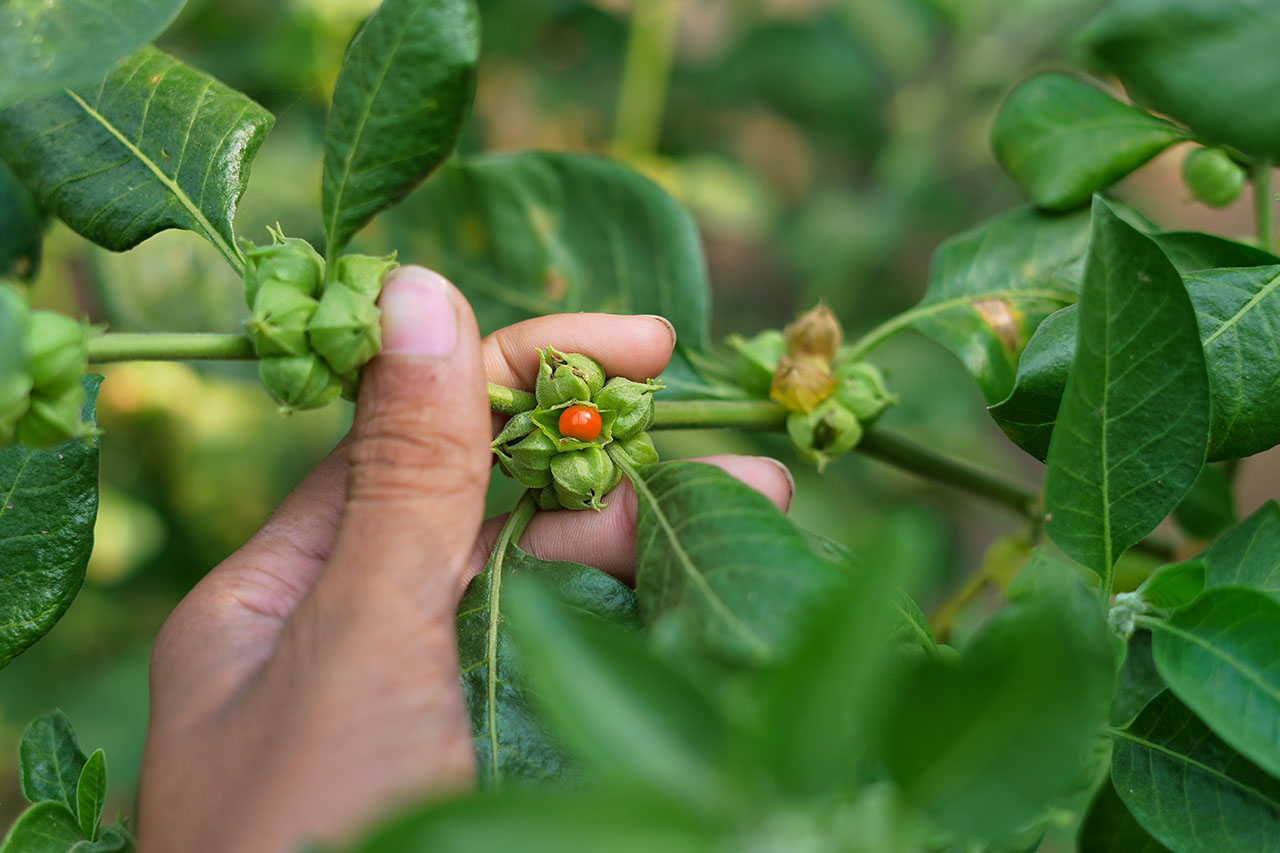
Ashwagandha (Withania somnifera) is not a delicate or fussy herb. It is a small, tough shrub from the arid landscapes of India, a member of the Solanaceae family, the same family as tomatoes. If you can grow tomatoes, you can probably grow ashwagandha too. Its long, cream-colored roots are harvested at the end of the first year and have been used medicinally since roughly 3,000 to 4,000 years ago, making ashwagandha one of the most time-tested herbs in the world.
Ayurveda classifies ashwagandha as a rasayana: an herb that deeply rejuvenates and promotes longevity. Rasayanas are especially revered for sustaining health into the elder years. The Ayurvedic scholar Charaka, writing around 100 BC, described ashwagandha this way: "One obtains longevity, regains youth, gets a sharp memory and intellect and freedom from diseases, gets a lustrous complexion, and strength of a horse."
In more recent decades, western herbalists have come to love ashwagandha for something that makes it special among adaptogens: it both strengthens and calms at the same time. Notice its species name – somnifera – which refers specifically to its use for sleep. That duality of building up those who are depleted while soothing those who are overwhelmed is exactly what makes it so relevant today.
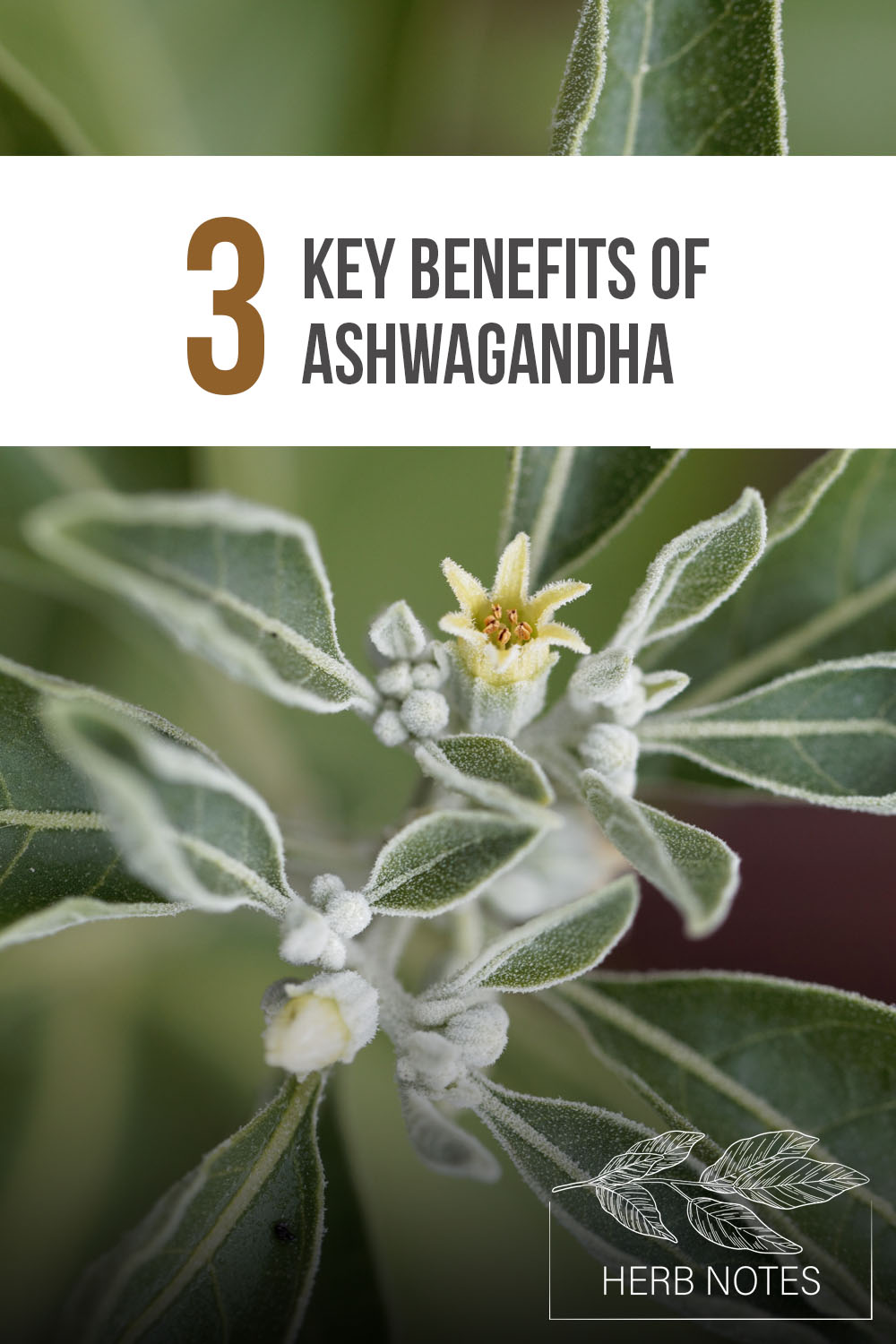
Let's explore three medicinal uses of ashwagandha:
1. Ashwagandha for stress, anxiety, and burnout
Many adaptogens are energizing – helpful for fatigue, but potentially too stimulating for people who are also anxious. Ashwagandha is different. Herbalist Kiva Rose puts it well: "It should be considered wherever there is nervousness and exhaustion in any chronic disease. It has the capacity to greatly increase vitality, sense of well-being while reducing anxiety and fatigue."
This makes ashwagandha particularly well suited to the modern experience of burnout: the person who is simultaneously exhausted and wired, depleted and unable to rest. Rather than pushing the system harder, ashwagandha works gradually, rebuilding the body's capacity to handle stress from the inside out. Authors Frawley and Lad describe it in Yoga of Herbs as useful "in all conditions of weakness and tissue deficiency in children, the elderly, those debilitated by chronic diseases, those suffering from overwork, lack of sleep or nervous exhaustion."
Because ashwagandha works cumulatively, it's not an herb you take once and feel immediately. It is a long-term relationship. Most herbalists recommend working with it consistently over several weeks or months, allowing it to rebuild what chronic stress has worn down.
2. Ashwagandha for sleep and nervous system restoration
Notice that species name again: somnifera. Sleep-inducing. That is a deep part of the plant's botanical identity.
Ashwagandha is moist and warming with a sweet, astringent, and slightly bitter taste. In Ayurvedic theory, it reduces vata and kapha – the qualities associated with dryness, cold, anxiety, and restlessness. This helps explain why it supports sleep: it addresses some of the energetic root causes of sleeplessness rather than sedating you into unconsciousness.
This is an important distinction. Ashwagandha is not an herb for acute insomnia the way valerian or hops might be. Think of it instead as a nervous system ally: taken over time, it rebuilds depleted tissues, calms nervous agitation, and helps the body return to healthy, natural sleep rhythms. People with long-term sleep troubles rooted in exhaustion and chronic stress tend to be the ones who respond most beautifully to this herb.
Powdered ashwagandha root stirred into warm milk before bed has been a traditional Ayurvedic preparation for centuries, and it remains a sweet way to work with the herb today. The warming, nourishing quality of milk complements ashwagandha's own warming, building nature, making for a comforting evening ritual.
3. Ashwagandha for vitality and reproductive health
Ashwagandha has long been prized as an aphrodisiac and reproductive tonic. Rather than acting directly on hormones in a pharmaceutical sense, it works by building what Ayurveda calls the vital essence. When the body is truly nourished and strong – when exhaustion has been addressed, when stress is no longer depleting your reserves – sexual and reproductive vitality naturally flourish.
For women, ashwagandha is often paired with shatavari (Asparagus racemosus), another beloved Ayurvedic tonic, to create a deeply nourishing formula for reproductive health. Beyond libido and fertility, ashwagandha's strengthening properties extend to cognitive vitality as well. In one clinical trial, 20 young men given ashwagandha daily for two weeks showed significant improvements in cognitive ability – results that have researchers curious about ashwagandha's potential for protecting long-term brain health.
Ashwagandha Contraindications
Ashwagandha is considered safe with no known toxicity within normal dosage amounts, but a few things are worth knowing:1
Pregnancy: Animal studies have shown abortifacient properties at extremely large doses, so many sources recommend caution during pregnancy. Ayurveda, interestingly, has a tradition of using ashwagandha during pregnancy and even for preventing miscarriage – but the most balanced approach is to use it during pregnancy only under the guidance of a qualified herbalist or healthcare provider.
Sedative medications: Ashwagandha has sedative properties and may increase the effects of barbiturates. If you are taking pharmaceutical sedatives, check with your healthcare provider before adding ashwagandha.
Active infections and congestion: Avoid ashwagandha if you have a current upper respiratory infection or significant congestion. In Ayurvedic theory, it can worsen these conditions.
Excess: Like any warming, nourishing herb, ashwagandha is best used in appropriate doses. Taken in excess, it may aggravate pitta or ama in those with those tendencies.
Want to Learn More About Other Common Herbs' Benefits?
You've learned a little bit about the health benefits of ashwagandha. You might be wondering how you can learn more about the medicinal properties of other common plants.
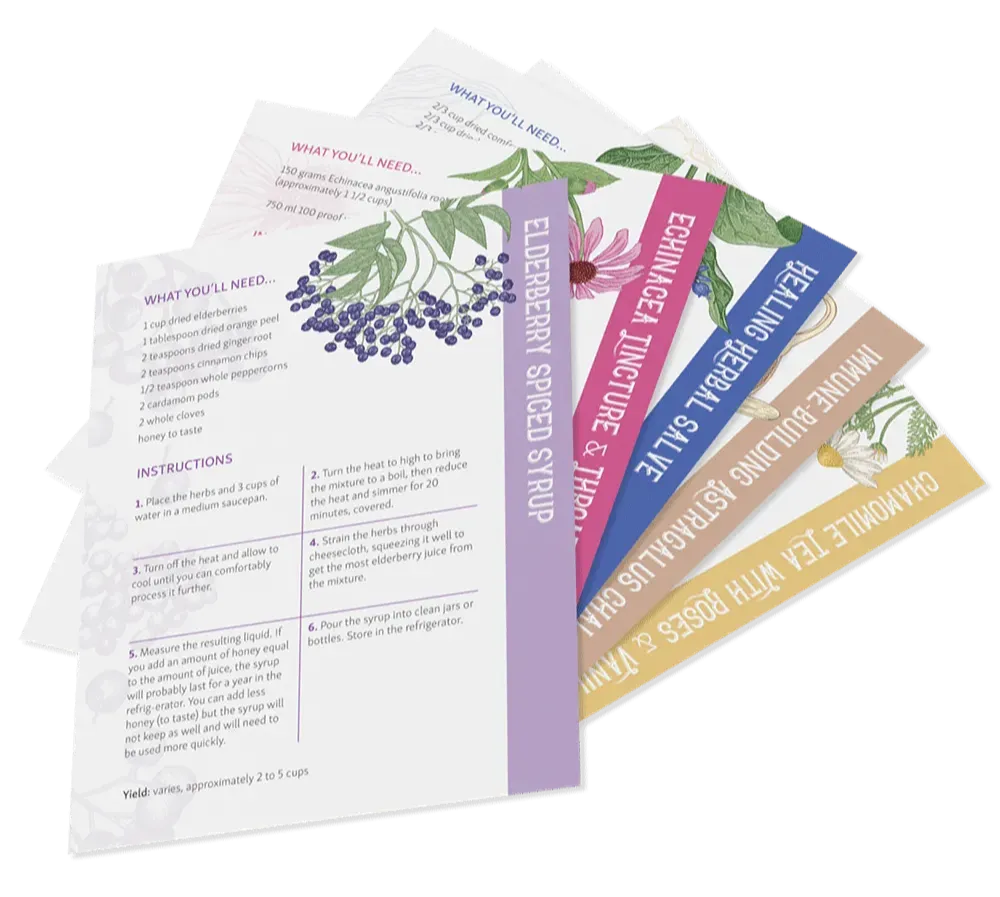
The easy way to get more info about some of our favorite herbs: download a FREE deck of our top 12 Herb Notes here. You'll learn all about the medicinal properties of common herbs like elderberry, dandelion, and more.
P.S. Here are some frequently asked questions about ashwagandha...
What is the best way to work with ashwagandha?
The most traditional preparation is powdered root, and it is still one of the best ways to take ashwagandha. Stir 3–6 grams of the powder into warm milk (dairy or plant-based) with a little honey before bed. This preparation, sometimes called ashwagandha milk, is warming and nourishing in a way that suits the herb's own qualities. If you prefer a tincture, herbalist Donald Yance recommends a 1:1 extract at 2–8 mL per day. Ashwagandha is also beautiful formulated with other herbs: Ayurvedic tradition often combined it with pungent spices like pipali (long pepper) to improve absorption, along with honey and ghee.
What parts of ashwagandha are used?
The root is the primary medicinal part of the plant, and the one you'll find in most commercial preparations. The leaves and berries can also be used medicinally. The roots are long, fleshy, and cream-colored, harvested at the end of the plant's first year of growth.
How long does ashwagandha take to work?
Because ashwagandha is a tonic herb – one that works cumulatively to rebuild and restore – most people notice meaningful results after several weeks of consistent use. This is not an herb for immediate, acute relief. It is an herb for gradually restoring vitality, calming the nervous system, and building resilience.
What are the suggested doses for ashwagandha?
- Powder: 3–6 grams daily
- Decoction: 20–30 grams added to heated cow's milk
- Medicated ghee: 1 teaspoon, 2 times daily
- Tincture: 2–8 mL daily (per Donald Yance's recommendation using a 1:1 extract)

Footnotes
The Herbal Remedy Vault has all of our printable recipe cards...