Join Herb Mentor
black walnut uses

Black Walnut Uses and Plant Profile

benefits and uses of herbs monographs

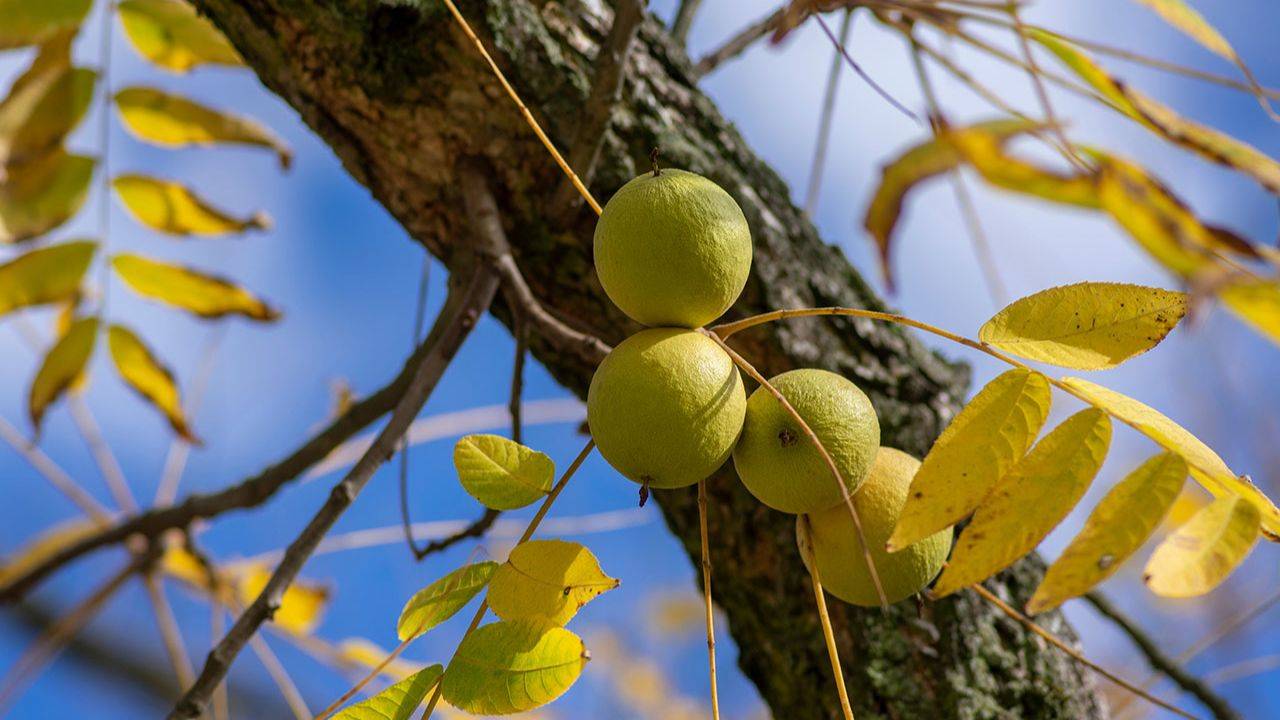
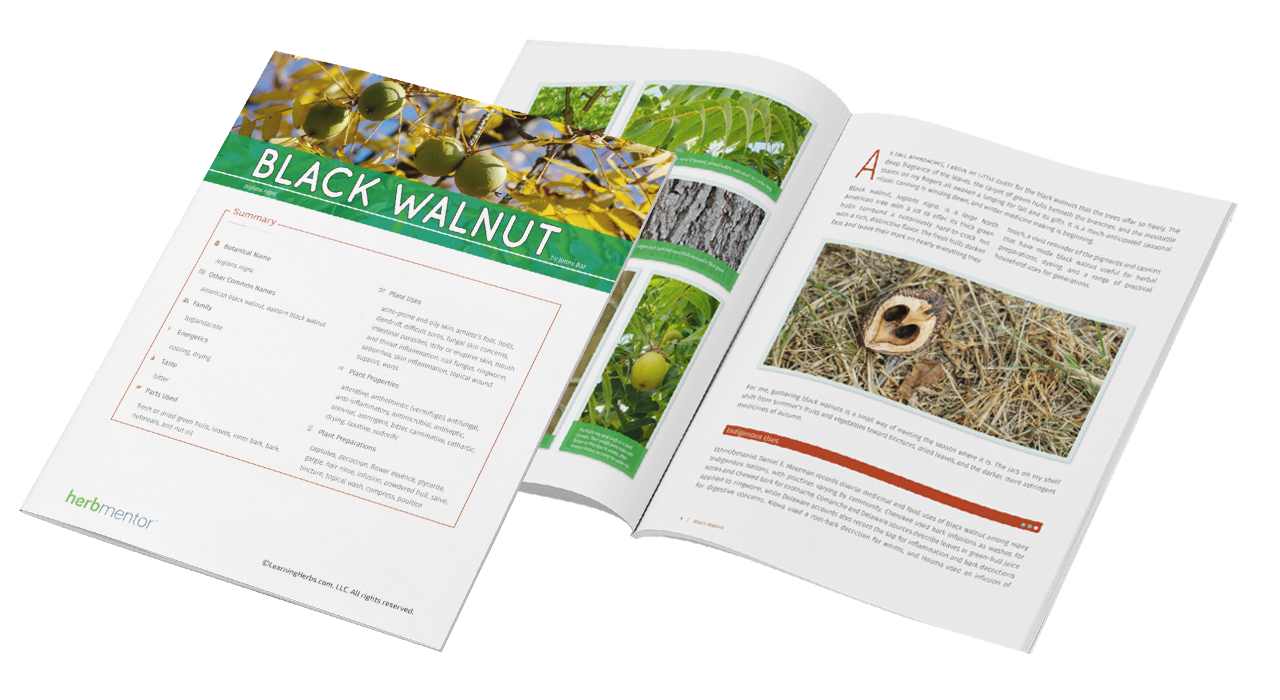
As fall approaches, I begin my little quest for the black walnuts that the trees offer so freely. The deep fragrance of the leaves, the carpet of green hulls beneath the branches, and the inevitable stains on my fingers all awaken a longing for fall and its gifts. It is a much-anticipated seasonal ritual: canning is winding down, and winter-medicine making is beginning.

Black walnut, Juglans nigra, is a large North American tree with a lot to offer. Its thick green hulls surround a notoriously hard-to-crack nut with a rich, distinctive flavor. The fresh hulls darken fast and leave their mark on nearly everything they touch, a vivid reminder of the pigments and tannins that have made black walnut useful for herbal preparations, dyeing, and a range of practical household uses for generations.

For me, gathering black walnuts is a small way of meeting the season where it is. The jars on my shelf shift from summer's fruits and vegetables toward tinctures, dried leaves, and the darker, more astringent medicines of autumn.

Black Walnut Uses and Plant Profile Summary

  • Botanical Name: Juglans nigra

  • Other Common Names: American black walnut, eastern black walnut

  • Family: Juglandaceae

  • Parts Used: fresh or dried green hulls, leaves, inner bark, bark, nutmeats, and nut oil

  • Energetics: cooling, drying

  • Taste: bitter

  • Plant Properties: alterative, anthelmintic (vermifuge), antifungal, anti-inflammatory, antimicrobial, antiseptic, antiviral, astringent, bitter, carminative, cathartic, drying, laxative, sudorific

  • Plant Uses: acne-prone and oily skin, athlete’s foot, boils, dandruff, difficult sores, fungal skin concerns, intestinal parasites, itchy or eruptive skin, mouth and throat inflammation, nail fungus, ringworm, seborrhea, skin inflammation, topical wound support, warts

  • Plant Preparations: capsules, decoction, flower essence, glycerite, gargle, hair rinse, infusion, powdered hull, salve, tincture, topical wash, compress, poultice
#block-1763760104645 { margin-top: 0px; margin-right: 0px; margin-bottom: 0px; margin-left: 0px; } #block-1763760104645 .block { border: 1px solid #f0f0f0; border-radius: 9px; background-color: #f8f8f8; padding: 0px; padding: 0px; padding-top: 15px; padding-right: 5px; padding-bottom: 15px; padding-left: 15px; } @media (min-width: 768px) { #block-1763760104645 { margin-top: 0px; margin-right: 0px; margin-bottom: 0px; margin-left: 0px; } #block-1763760104645 .block { padding: 0px; padding-top: 20px; padding-right: 20px; padding-bottom: 20px; padding-left: 20px; } } @media (max-width: 767px) { #block-1763760104645 { text-align: left; } } #block-1577982541036_0 .btn { margin-top: 1rem; } .awesomecontainer .row .block-type--accordion { align-self: flex-start; }

Want the Full Story on Black Walnut?

To continue reading this monograph and explore our full library of fully cited, in-depth herb profiles written by experienced and practicing herbalists, join HerbMentor, LearningHerbs’ online herbal education hub and welcoming community.

Join HerbMentor for just $1 and see how it can support your own herbal journey.

 
Jenny Barandich

Written by Jenny Bar

Jenny is a graphic designer and writer at Learning Herbs, where her love of creativity meets her passion for home herbalism. Her love-filled home is as lively as her apothecary shelves, stocked with jars of teas, tinctures, and salves. Jenny's creativity is always in bloom, weaving family life, herbal traditions, and artistic passions into her work.

#block-1730158979472 { margin-top: 0px; margin-right: 0px; margin-bottom: 0px; margin-left: 0px; } #block-1730158979472 .block { border: 1px solid #ECF0F1; border-radius: 10px; background-color: #f8f8f8; padding: 0px; padding: 0px; padding: 0px; padding-top: 15px; padding-right: 15px; padding-bottom: 15px; padding-left: 15px; } @media (min-width: 768px) { #block-1730158979472 { margin-top: 0px; margin-right: 0px; margin-bottom: 0px; margin-left: 0px; } #block-1730158979472 .block { padding: 0px; padding: 0px; padding-top: 15px; padding-right: 15px; padding-bottom: 15px; padding-left: 15px; } } @media (max-width: 767px) { #block-1730158979472 { text-align: center; } } #block-1730158979472 .feature__image, [data-slick-id="1730158979472"] .feature__image { width: 100px; border-radius: 100px; } .authorfeature { display: flex; align-items: flex-start; position: relative; } .authorfeature__image-container { flex-shrink: 0; margin-right: 20px; } .authorfeature__image { max-width: 150px; height: auto; } .authorfeature__content { flex-grow: 1; } @media (max-width: 767px) { #block-1730158979472 .authorfeature { flex-direction: column; align-items: center; } #block-1730158979472 .authorfeature__image-container { margin-right: 0; } } .awesomecontainer .row .block-type--accordion { align-self: flex-start; }

The Herbal Remedy Vault has all of our printable recipe cards...

Enter The Vault
Mountain Rose Herbs

Need Herbs for this Recipe? 

Mountain Rose Herbs sponsors our recipes, but our love for their products is real. We’d choose them even without sponsorship.

Shop Here