How to Make Better Herbal Preparations with Plant Chemistry
Have you ever wondered why marshmallow root infusion is made with cold water, while an herbal tincture calls for alcohol? Or why some herbal preparations feel deeply nourishing while others seem to do almost nothing?
The answer to potent herbal medicine often comes down to plant chemistry.
This isn't the intimidating kind of chemistry that makes your eyes glaze over when you read an herb profile listing taraxacin, triterpenes, taraxasterol, and lactupicrine. This is the practical kind: understanding what compounds medicinal plants contain, and how to get those active compounds into your body in a way that actually works.
You don't need to be a scientist. Once you understand the basic building blocks of herbal medicine – what plant compounds the herbs contain, and which solvents pull them out – you'll make smarter decisions in your apothecary. Less guessing, and more confidence.
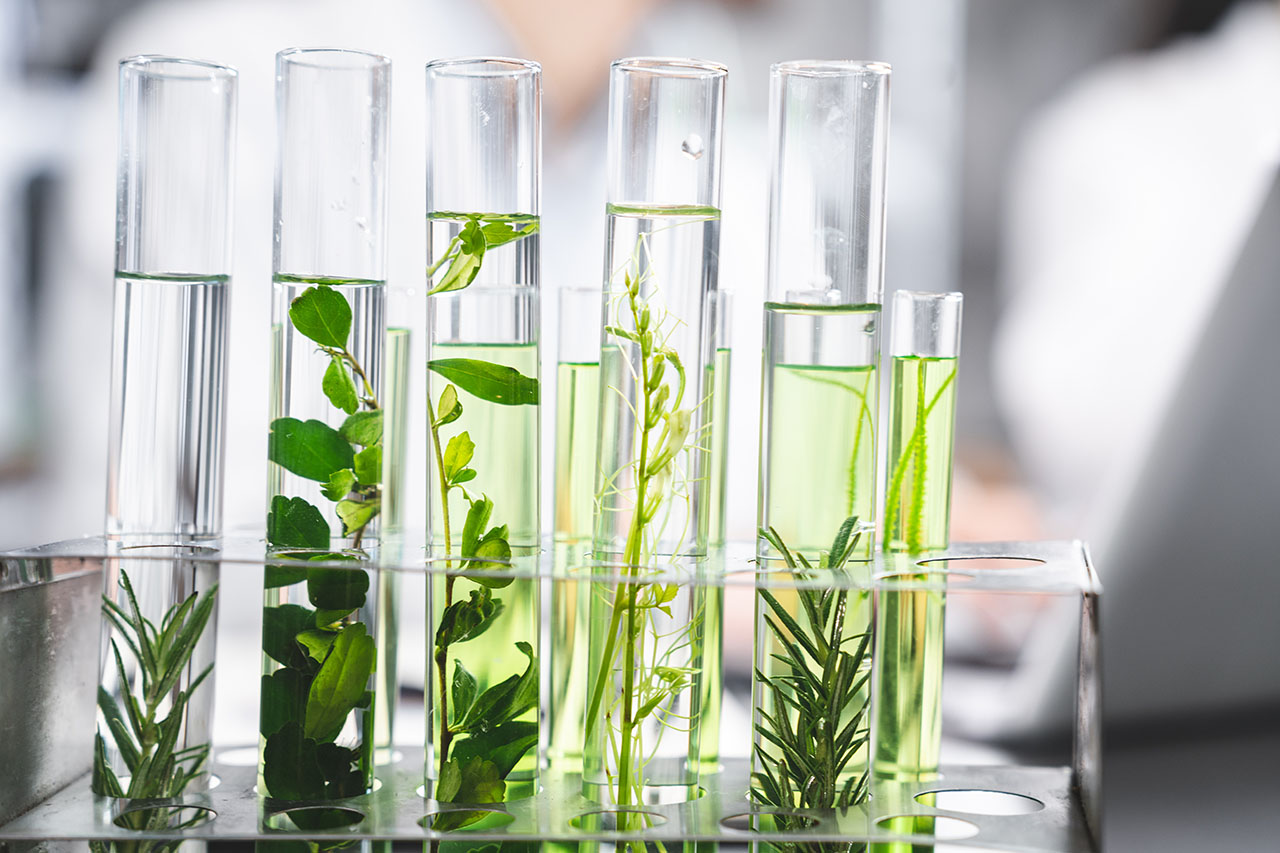
Why Constituents Matter
Herbalists, and others who work daily with plants, understand the complexity inherent in each green friend. Please keep in mind while reading this article that while knowing a plant's constituents can be very helpful, it gives us only a small piece of the puzzle to a plant's inner workings.
Knowing the constituents of a plant helps us as herbalists to explain the action of what is going on. When first learning about plants, we may learn that hawthorn is useful for the heart. Later we may refer to it as a cardiac tonic. The next step is learning that hawthorn is high in flavonoids, which strengthen our capillaries and support the body’s own antioxidant defenses. Knowing these specific chemical actions gives us a deeper understanding of how that plant can be used to help us.
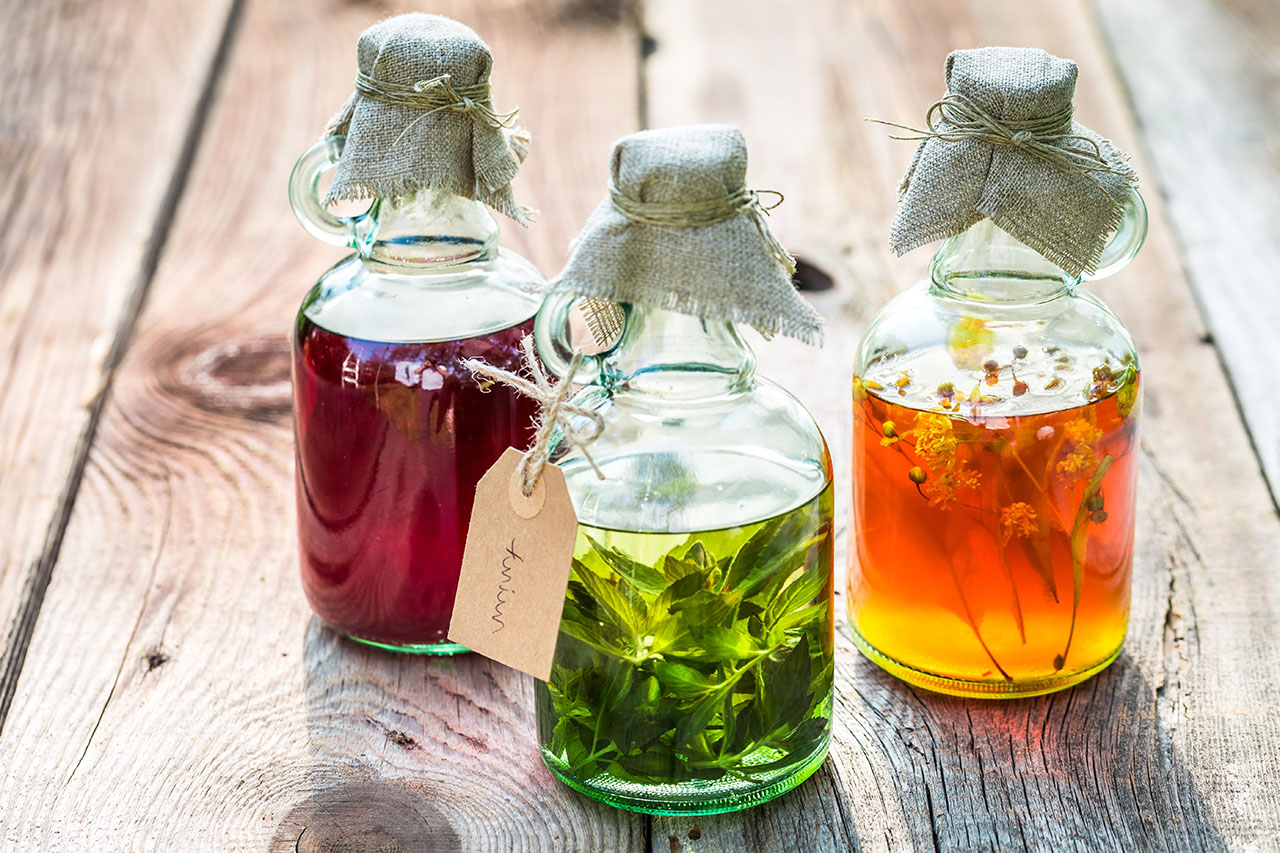
Why Your Extraction Method Matters
Knowing the constituents of medicinal plants is only half the equation. You also need to know how to get them out.
In making herbal medicine, understanding which medium to extract these medicinal plants in is invaluable. If you are searching for the soothing (mucilaginous) effects of marshmallow root, for example, you do not want to extract this plant in alcohol. Likewise, if you wanted to use the expectorant qualities of cottonwood buds, you wouldn’t be very successful with a small glass of tea. Just as you would use water for some herbs and alcohol for others, a combination of solvents works best for many plants. Water and alcohol are the most common pairing, sometimes with glycerin added. A few plants, like lobelia, are traditionally extracted in a mix of vinegar and alcohol, since the acidity helps draw out their alkaloids. Further reading: Richo Cech’s book, Making Plant Medicine, is a great reference for medicine making.
The following is a very basic list of bioactive compounds and the mediums they are soluble in.
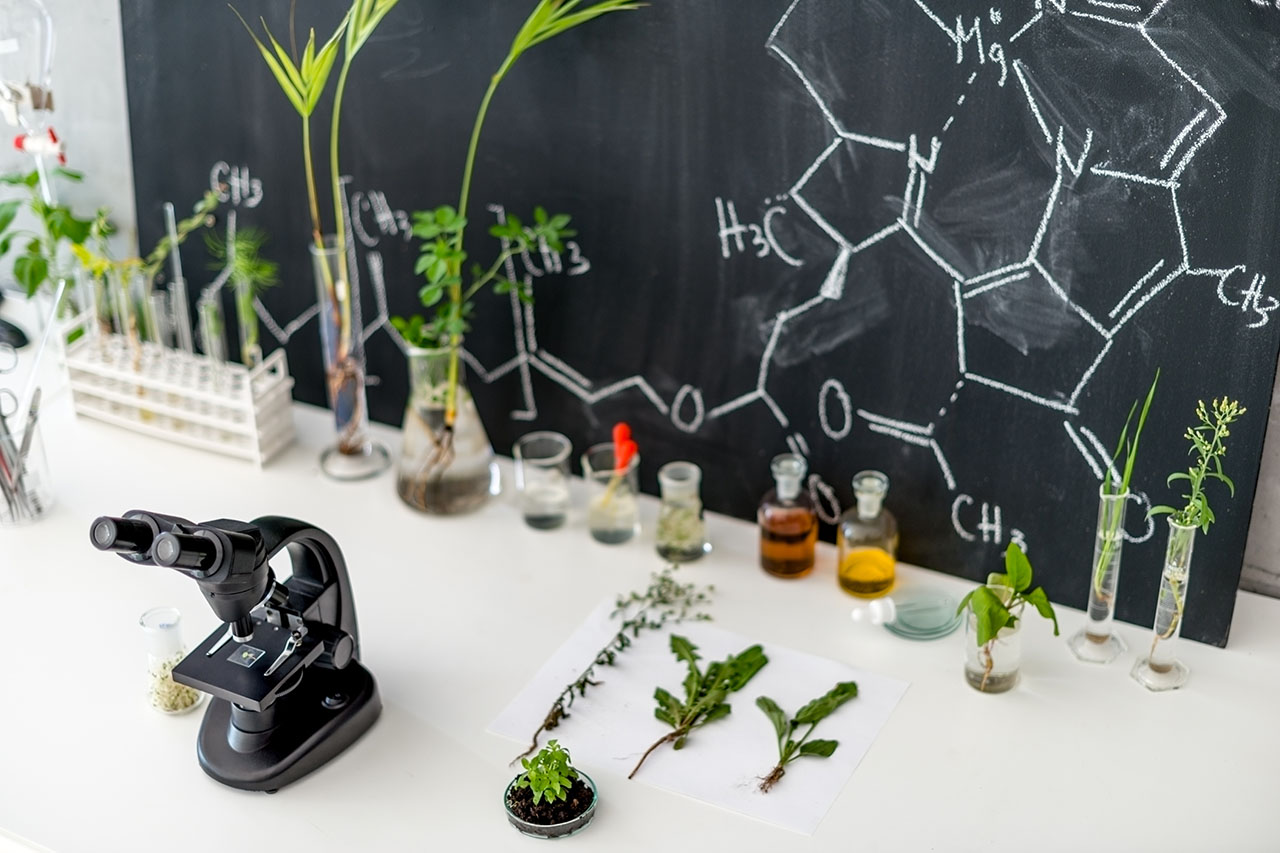
Common Plant Constituents
Alkaloids
Soluble in: alcohol, water, vinegar
Alkaloids are a large and diverse group of constituents with effects ranging from gentle to extremely poisonous. Their solubility depends on their form. In the plant, many alkaloids exist as salts, which dissolve in water. In their “free” form, they dissolve much better in alcohol, which is why alcohol is generally considered the best solvent for alkaloids (Cech). Vinegar helps too. Its acidity converts alkaloids into their salt form, making them more water-soluble and easier to extract. Some alkaloids break down with prolonged heat, and tannins can bind to alkaloids and make them less available (Cech). Medicinal plants high in alkaloids include goldenseal, lobelia, and California poppy.
Glycosides
Soluble in: water, alcohol
A glycoside is a compound made of a sugar bonded to a non-sugar portion called the aglycone. The aglycone usually determines what the glycoside does in the body, while the sugar affects how easily it dissolves and is absorbed. There are several different types of glycosides with a wide variety of effects. Cardiac glycosides, found in foxglove (Digitalis spp.) and lily of the valley (Convallaria majalis), have strong effects on the heart and can be toxic, so they’re not for home use. Anthraquinone glycosides, found in senna and rhubarb root, have laxative effects. Arbutin, found in uva ursi, is converted in the body to a compound that has antiseptic effects in the urinary tract.
Glycosides can also be sweet! Stevia (Stevia rebaudiana) gets its sweetness from steviol glycosides, mainly stevioside and rebaudioside A. Purified stevia extracts are roughly 200 to 300 times sweeter than sugar. The whole dried leaf is much milder, which makes it a lovely addition to tea blends.
Saponins
Soluble in: water, alcohol
Saponins are a special type of glycoside, named for their soap-like qualities. Shake a jar of soapwort or yucca root tea and you’ll see a foam that lingers, and for centuries people used these plants for washing. Saponins are natural surfactants, which means they help oil and water mix. In the body, they have a wide range of effects, including adaptogenic, diuretic, antispasmodic, and expectorant actions (Cech). The ginsenosides in ginseng are a well-known example of adaptogenic saponins. Other medicinal plants that contain saponins include horse chestnut, licorice, and chickweed.
Tannins
Soluble in: glycerin, water, alcohol
Oak, tea, witch hazel, and blackberry root are all medicinal plants with tannins. Herbs with high tannin content are generally used as an antiseptic, a styptic, and to shrink tissues. Milk proteins bind to tannins, reducing their astringency. (Kress, Cech)
Mucilage
Soluble in: water (cold extraction preferred)
Soothing to the gut and urinary system, herbs high in mucilage also tend to be nutritive and nourishing to the immune system. (Cech) Medicinal plants with high mucilage content include marshmallow, mullein, comfrey, and slippery elm.
Flavonoids
Soluble in: water, alcohol
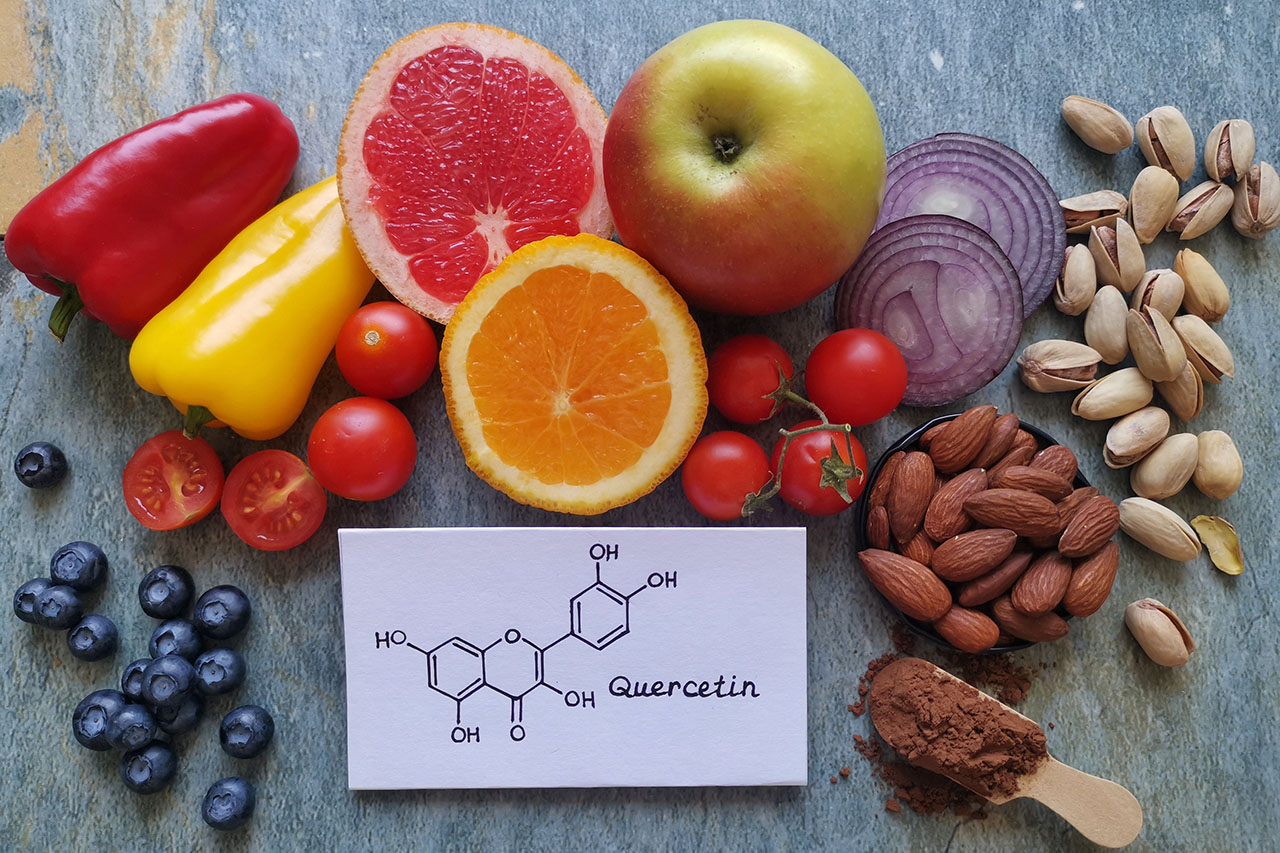
Flavonoids are a large family of polyphenols, the compounds that give many fruits, flowers, and leaves their vibrant colors. In plants, they’re often bound to a sugar as glycosides, which makes them more water-soluble, while their free forms extract better in alcohol. Flavonoids are well known as antioxidants, but research shows they mainly work by stimulating the body’s own antioxidant defenses, helping us protect our cells from oxidative damage. They’re also known to strengthen capillaries and reduce capillary fragility. Medicinal plants rich in flavonoids include hawthorn, elderberry, and citrus peel.
Polysaccharides
Soluble in: water
Generally immune stimulating and nutritive, herbs high in polysaccharides are burdock, astragalus, and boneset. (Cech)
Minerals, Trace Elements
Soluble in: water, vinegar
Vitamins
Soluble in: water, fat
Vitamins A, D, E, and K are fat-soluble, with the rest being water soluble (Kress).
Resins
Soluble in: alcohol, oil
Resins are typically expectorant and bitter. Medicinal plants containing high amounts of resins include cottonwood buds, calendula, and gumweed.
Volatile Oils
Soluble in: alcohol, oil (partially in water)
Volatile oils are the aromatic compounds that give plants like peppermint, rosemary, and thyme their distinctive scents. They’re called “volatile” because they evaporate easily, which is why you can smell them so readily. Many aromatic herbs are carminative, easing gas and bloating, and many have antimicrobial effects. Volatile oils extract well in alcohol and oil. They’re partly soluble in water, but they escape with the steam, so cover your cup or pot when making tea with aromatic herbs. It also helps to store aromatic herbs whole and crush them just before use, since their volatile oils start to dissipate once the plant material is broken.
Volatile oils are what we know as essential oils when they’re concentrated through steam distillation or CO2 extraction. Essential oils are extremely potent and behave very differently in the body than the whole herb, so a cup of peppermint tea and a drop of peppermint essential oil aren’t interchangeable.
Common Solvents
Alcohol
Alcohol extracts a wide range of constituents, including alkaloids, resins, volatile oils, and many glycosides and flavonoids. Most tinctures are actually a blend of alcohol and water, and the ratio between the two shapes what ends up in your bottle. Higher-proof alcohol is best for resinous plants like cottonwood buds, while a lower percentage brings in more of the water-soluble constituents. Alcohol extracts minerals, trace elements, polysaccharides, and mucilage poorly. In fact, it precipitates mucilage and polysaccharides, making them clump and drop out of solution. For mucilaginous herbs like marshmallow root, it’s best to make a cold water infusion and then add just enough alcohol to preserve it, roughly 20 to 25% of the final mixture. This same principle is why medicinal mushrooms are often made as dual extractions, with a hot water decoction and an alcohol extraction combined at the end.
Glycerin
Glycerin is a sweet, syrupy liquid made from plant or animal fats and is chemically related to alcohol. It’s made by breaking down fats and oils with high-pressure steam (Cech). Most herbalists choose vegetable glycerine, and it’s a wonderful option for making extracts without alcohol, especially for children or anyone avoiding alcohol. Because glycerin is so thick, it struggles to penetrate dried plant material on its own. Fresh plants extract well in pure glycerin, while dried herbs do best in glycerin diluted with water. To stay shelf-stable, a finished glycerite needs to be at least 50 to 60% glycerin. According to Henriette Kress, glycerin can extract some minerals and trace elements, some alkaloids, some acids, and some mucilage. Richo Cech reports that glycerin extracts tannins very well.
Oil
Oil extracts fat-soluble constituents, including resins, volatile oils, carotenoids, and the fat-soluble vitamins A, D, E, and K. Infused oils are most often used topically, either on their own or as the base for salves, balms, and lotions. Calendula is a classic example, since oil pulls out its resins and the carotenoids that give it its golden color. Olive oil is a common carrier oil for infusions, though herbalists also use sunflower, almond, and others.
Vinegar
Vinegar has the ability to extract minerals, trace elements, and alkaloids. Quality varies a lot from one vinegar to the next, so it’s worth paying attention to what you buy. Many inexpensive distilled white vinegars are mass-produced with flavor as an afterthought. Most herbalists choose raw, unfiltered apple cider vinegar or other high-quality vinegars, ideally organic. Besides extracting a variety of constituents, a good vinegar adds its own flavor and benefits to the finished product, and herbal vinegars are delicious!
Water
Water extracts a broad range of constituents, including mucilage, polysaccharides, minerals, tannins, many glycosides, and alkaloids in their salt form. It struggles with resins, fat-soluble vitamins, and many free-form alkaloids and flavonoids. Volatile oils are partly water-soluble, but they escape easily with the steam, so cover your cup or pot when making herbal infusions of aromatic plants like peppermint or chamomile. Temperature matters too. Roots and barks generally do best simmered in hot water as a decoction, leaves and flowers do best steeped in just-boiled water, and mucilaginous plants like marshmallow root do best in cold water. Some herbalists prefer to use distilled water.
The Bigger Picture
Plant chemistry is an endlessly fascinating part of herbal medicine production, and this article is just the beginning.
The constituents we've covered here are a foundation – a way to begin connecting the dots between what an herb contains, what it can do, and how to prepare its herbal extracts well. Over time, as you work with medicinal plants and deepen your practice, these concepts stop feeling like a foreign language and start feeling like old friends.
Ready to start making potent herbal medicine?
Check out Apothecary. Apothecary is Learning Herb's beautiful video course that takes you step-by-step through some of the most popular and effective herbal remedies — including tinctures, water extractions, infused oils, and all sorts of herbal products.
Happy medicine making!
Here are some frequently asked questions about herbal extracts…
What's the most beginner-friendly preparation to start with?
Tea (also called an herbal infusion or decoction, in hot water or cold water) is a wonderful starting point. Water extracts a broad range of bioactive compounds, it's safe and approachable, and drinking a cup of herbal tea is a beautiful way to begin building a relationship with a medicinal plant.
Can I use this information to create my own herbal medicine?
Absolutely – that's one of the most exciting applications of this knowledge. Once you understand your materia medica, what a plant contains, and how to extract it, you can begin making thoughtful decisions about how to combine herbs and preparations to make your own herbal products. Richo Cech's Making Plant Medicine is a wonderful companion for the journey of herbal medicine production, as is our Apothecary course.
What if an herb has multiple types of constituents?
Many medicinal plants do – and that's part of what makes them so complex and interesting in herbal medicine making. In those cases, you might choose your solvent based on which herbal constituents you most want to target. A clinical herbalist might also make multiple preparations from the same plant to capture different aspects of it. Check out Medical Herbalism by David Hoffmann for a deep dive into this topic.

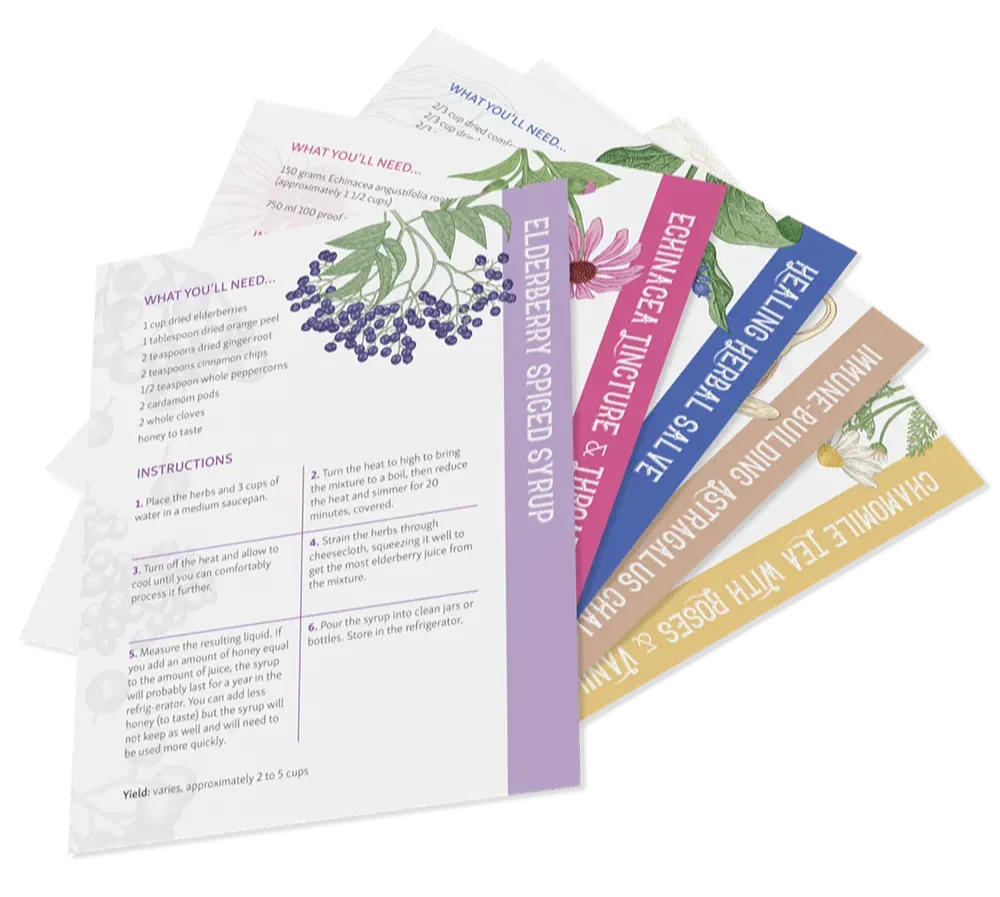
The Herbal Remedy Vault has all of our printable recipe cards...