Caribbean-Inspired Herbal Bitters
This Caribbean-inspired herbal bitters recipe is a great post-meal treat with big flavors and stomach-soothing properties.
When you hear the word “bitter,” what comes to mind? Maybe you remember a particular food, or you scrunch up your face while reliving a time you drank something bitter.
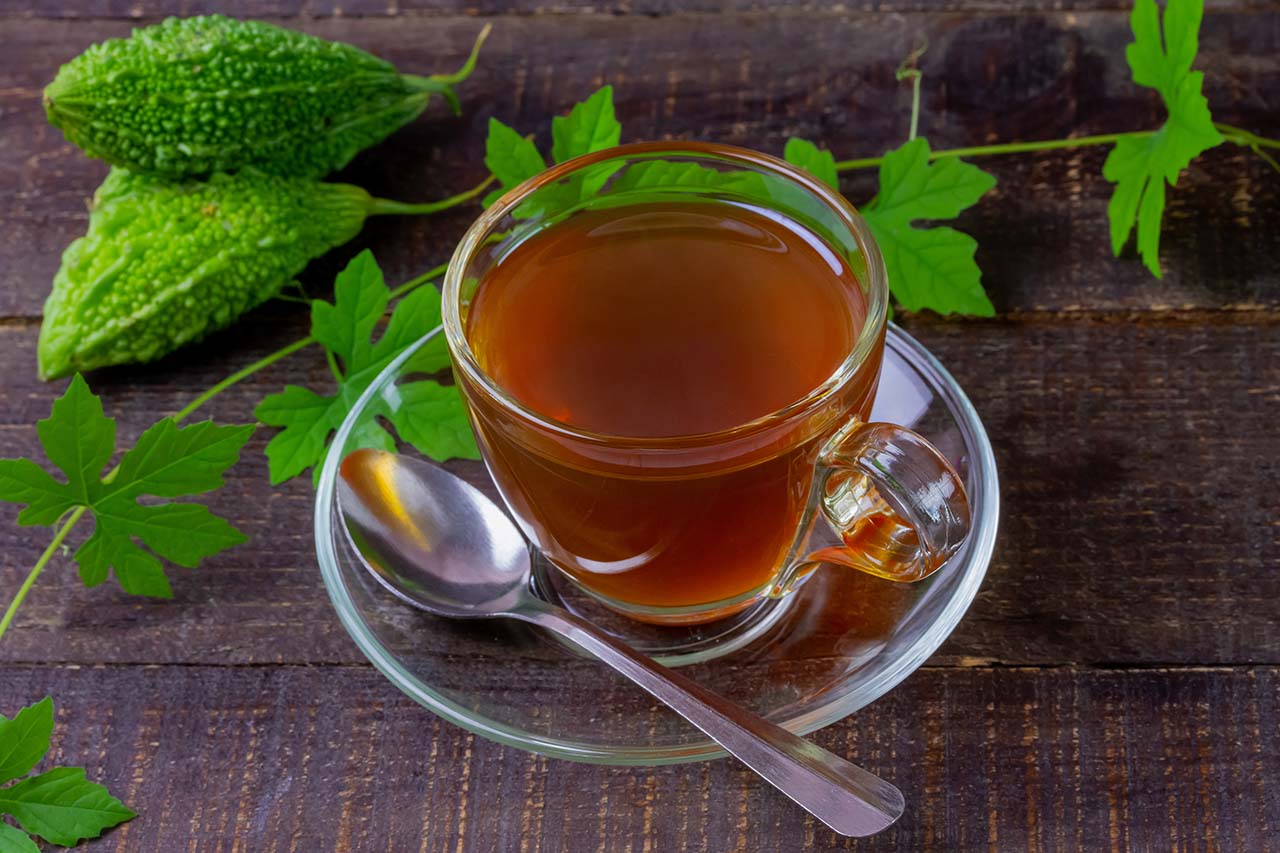
For me, it’s childhood memories (nightmares!) of drinking bitter melon leaf tea at the end of summer break before school starts. On many islands in the Caribbean, bitter melon (Momordica charantia) leaf tea, called cerasee bitters or asosi in the Caribbean, is used to “wash out” the body before the school year starts through its antimicrobial, immune-supportive, and most importantly, laxative properties.
While I don’t miss the taste or the laxative part of things (hence the nightmares), I still like to incorporate bitters into my herbal routines and habits. Now, I take a gentler approach and tend to make chamomile-based bitters recipes that include other herbal allies from my Caribbean background. After I share my Caribbean-inspired bitters extract recipe, we’ll briefly talk about each ingredient.
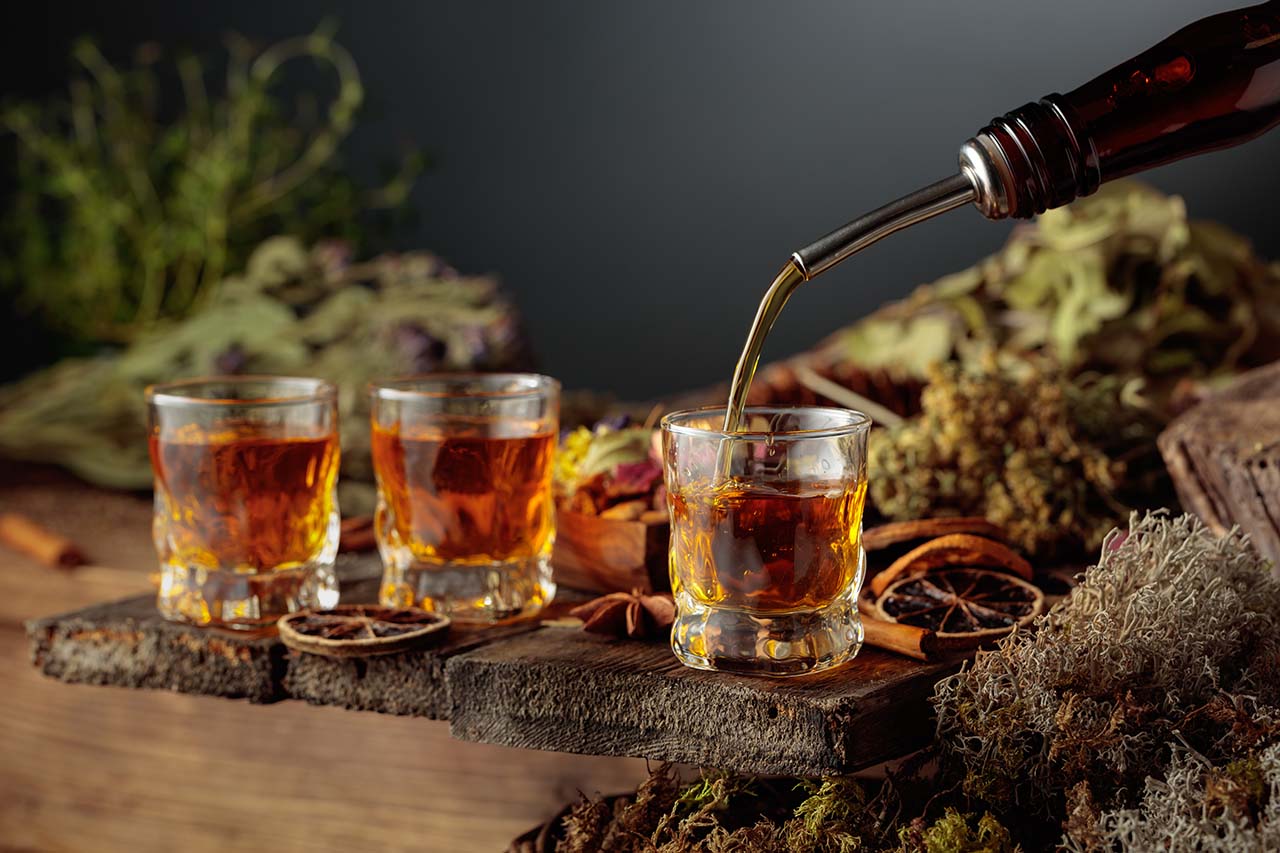
Chamomile Hibiscus Digestive Bitters
This Caribbean-inspired bitters recipe is filled with digestive support from chamomile, burdock root, orange peel, and ginger. The tart hibiscus and orange peel, paired with the heat from the ginger, help to balance the earthiness of the burdock root.
What you’ll need…
- 3 tbsp dried chamomile
- 2 tbsp dried hibiscus
- 2 tsp dried burdock root
- 1 tbsp dried orange peel
- 1 tbsp fresh ginger
- Brandy
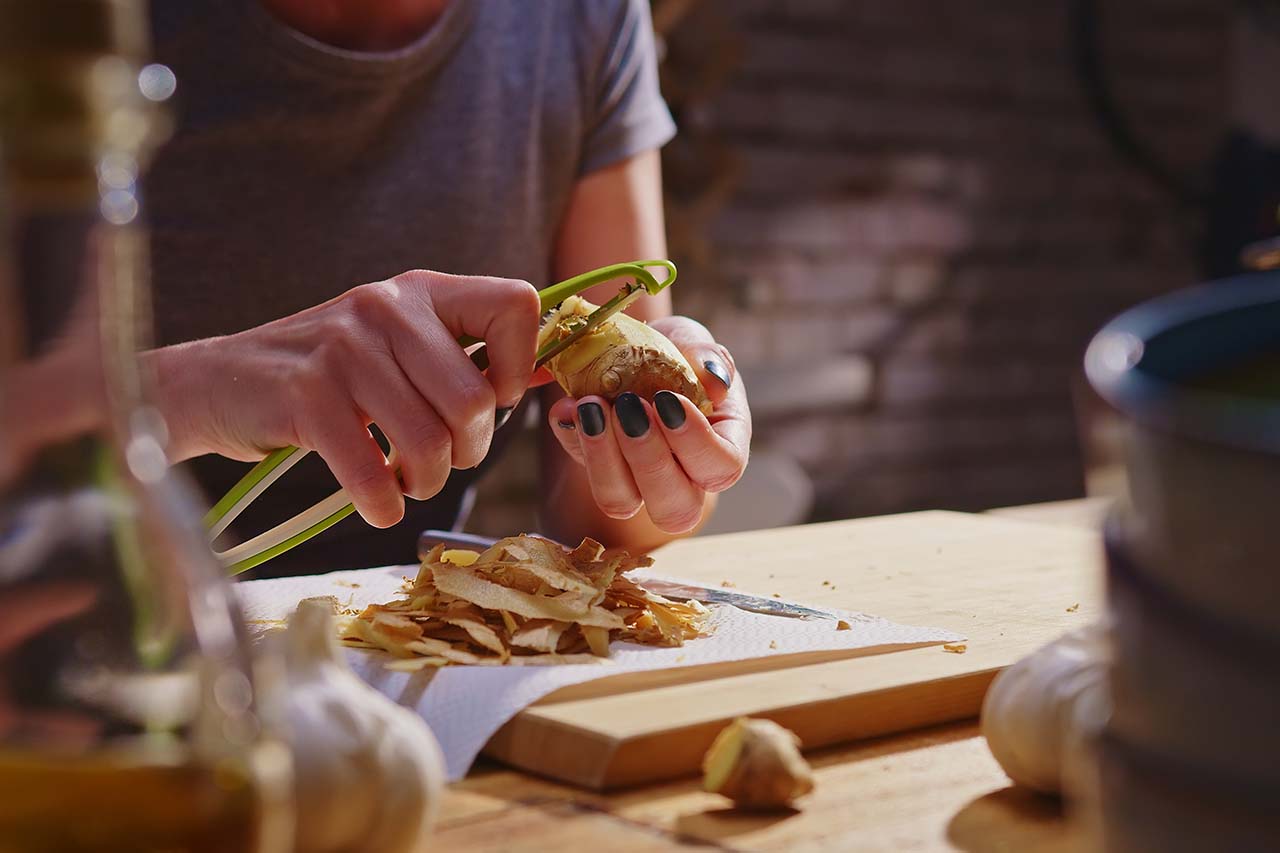
- Peel and chop up the fresh ginger. Place the ginger into a jar that can hold at least 16 ounces.
- Add the rest of the herbs to the jar.
- Fill the jar with brandy. Cover the jar with parchment paper, then cover with a lid. Shake the jar well and label it with the name of the recipe and the date.
- Keep the jar in a cool, dark place for 2-3 weeks, being sure to shake it every few days.
- After 2-3 weeks, strain the tincture.
- To use, add a few drops or splashes to water (still or sparkling) or tea after dinner.
Want to Learn More About Supporting Healthy Digestion?
Check out our Radicle Herbal series on HerbMentor. In Radicle Herbal, Thomas Easley dives into herbal medicine for each part of the body, including lessons on the digestive system. You can find Radicle Herbal on HerbMentor, which is LearningHerbs’ online herbal education hub and community.
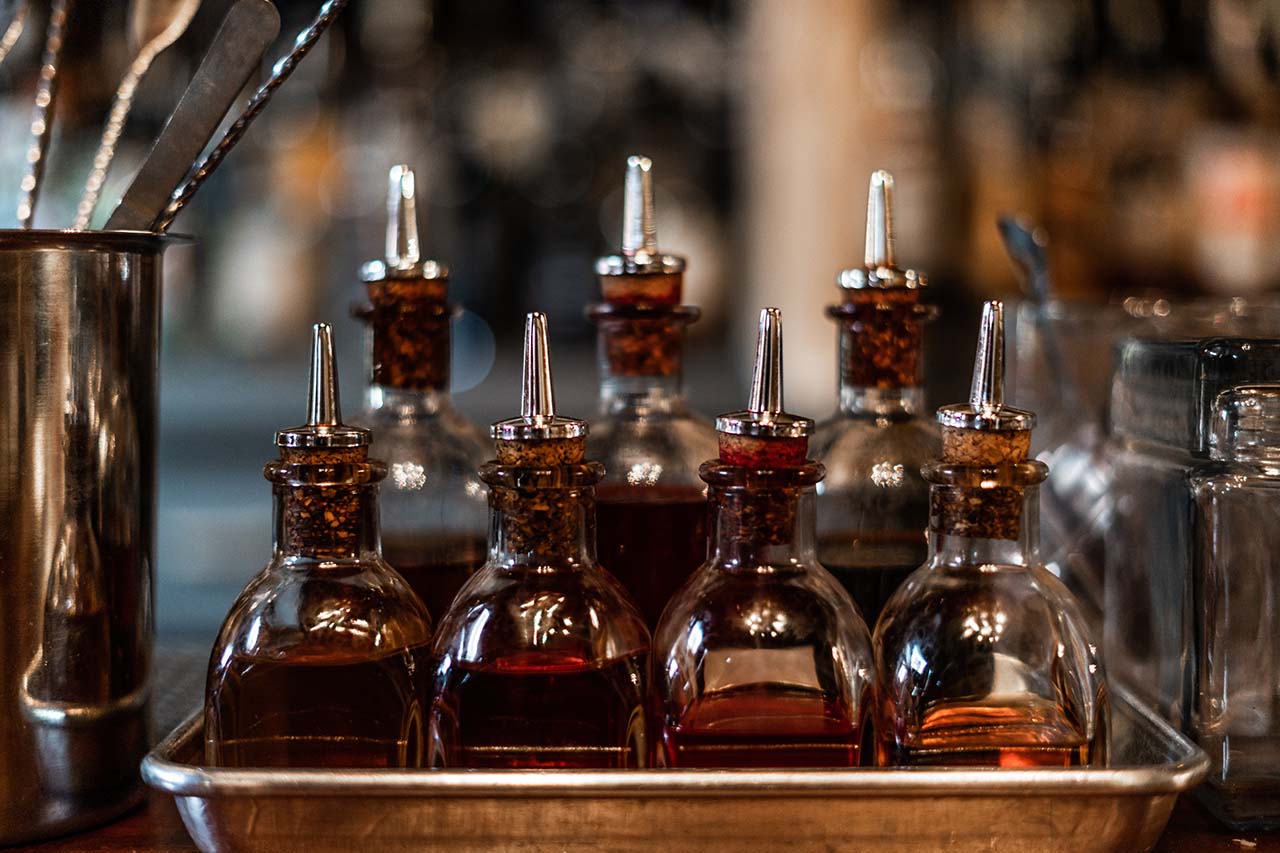
How do bitters work?
Bitters can support many body systems, but they are best known in herbal medicine for their important role in jumpstarting bodily processes that support digestion and elimination. Once bitters are consumed, bitter taste receptors in the body react by increasing digestive secretions (saliva, gastric fluids, bile, and enzymes), all of which contribute to improved digestive function. Many cultures have foods and traditions that include bitter plants, such as starting a meal with a salad full of bitter greens or drinking an herbal tea made from bitter plants after dinner.
Let’s take a look at the benefits of each ingredient…
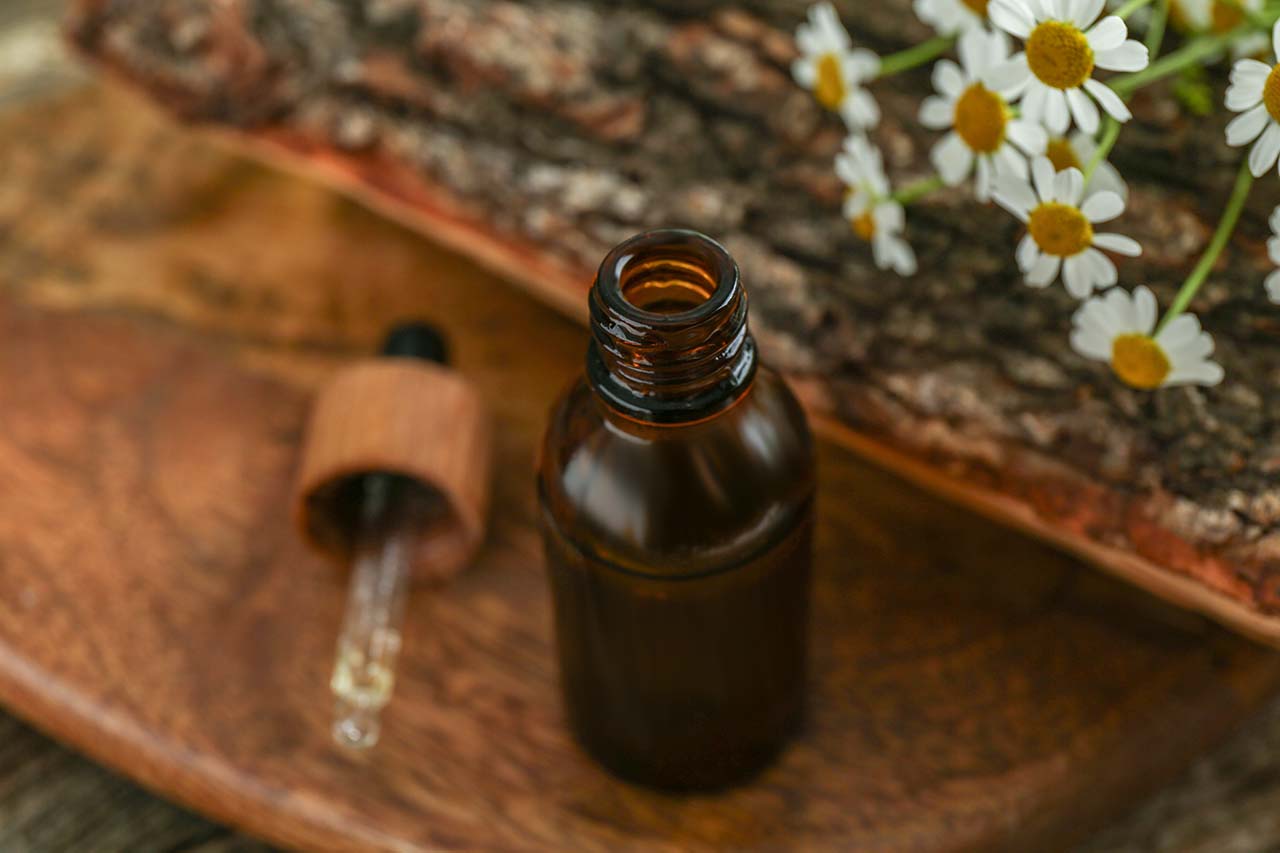
Chamomile Benefits (Matricaria chamomilla)
Chamomile is my all-time favorite herb for digestion. When chamomile steeps for a while, it actually has a noticeably bitter taste, which starts the cascade of processes in the digestive system mentioned earlier. Many people only know chamomile as a plant that relaxes the body, but that’s exactly how it supports the digestive system as a carminative. Because of its nervine, carminative, and anti-inflammatory properties, it works well for mild digestive symptoms tied to anxiety or stress, like gas or bloating.
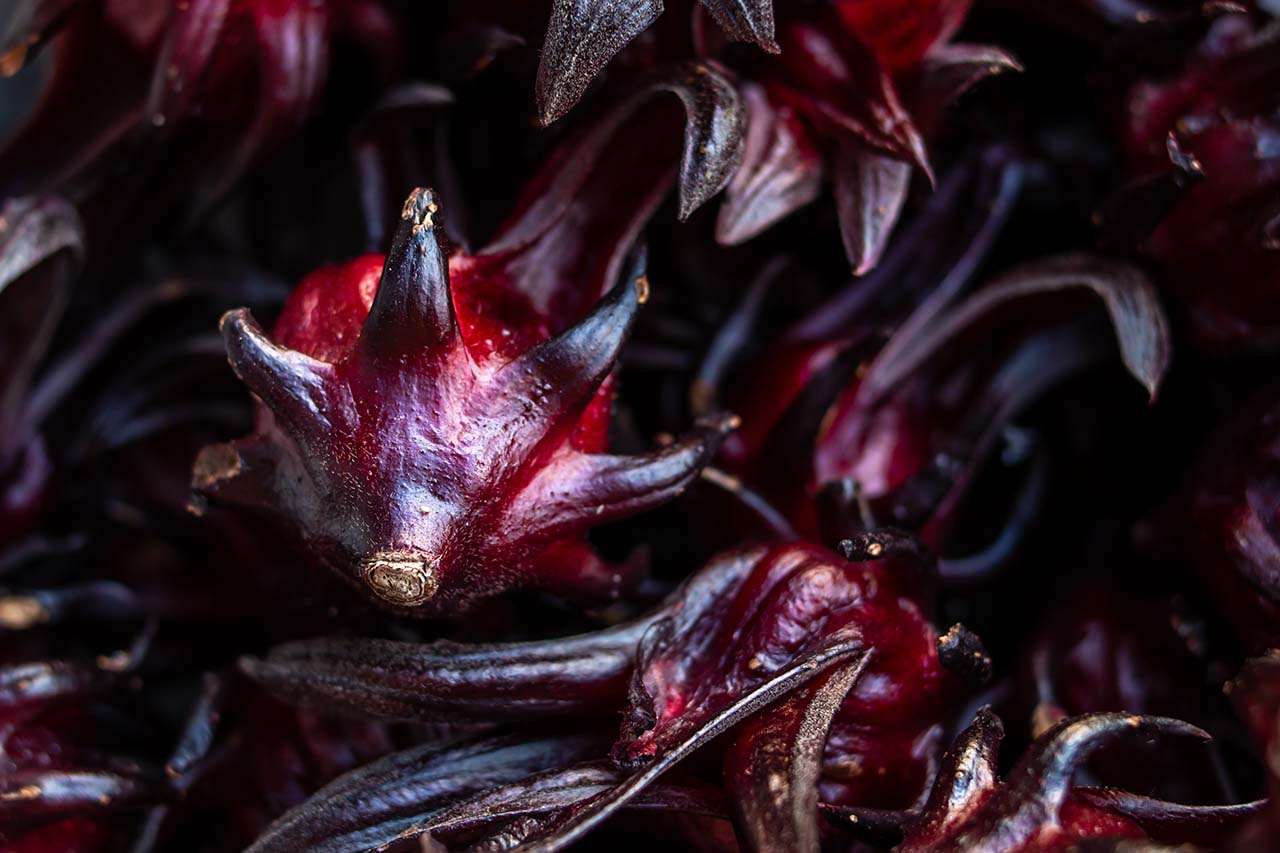
Hibiscus Benefits (Hibiscus spp.)
Hibiscus is not a bitter plant, but it does have anti-inflammatory and demulcent properties that can soothe irritation in the stomach. It also lends a beautiful color and a refreshing taste to the tincture. It’s commonly used as a tea or holiday drink in the Caribbean, so I included it as a nod to my family traditions.
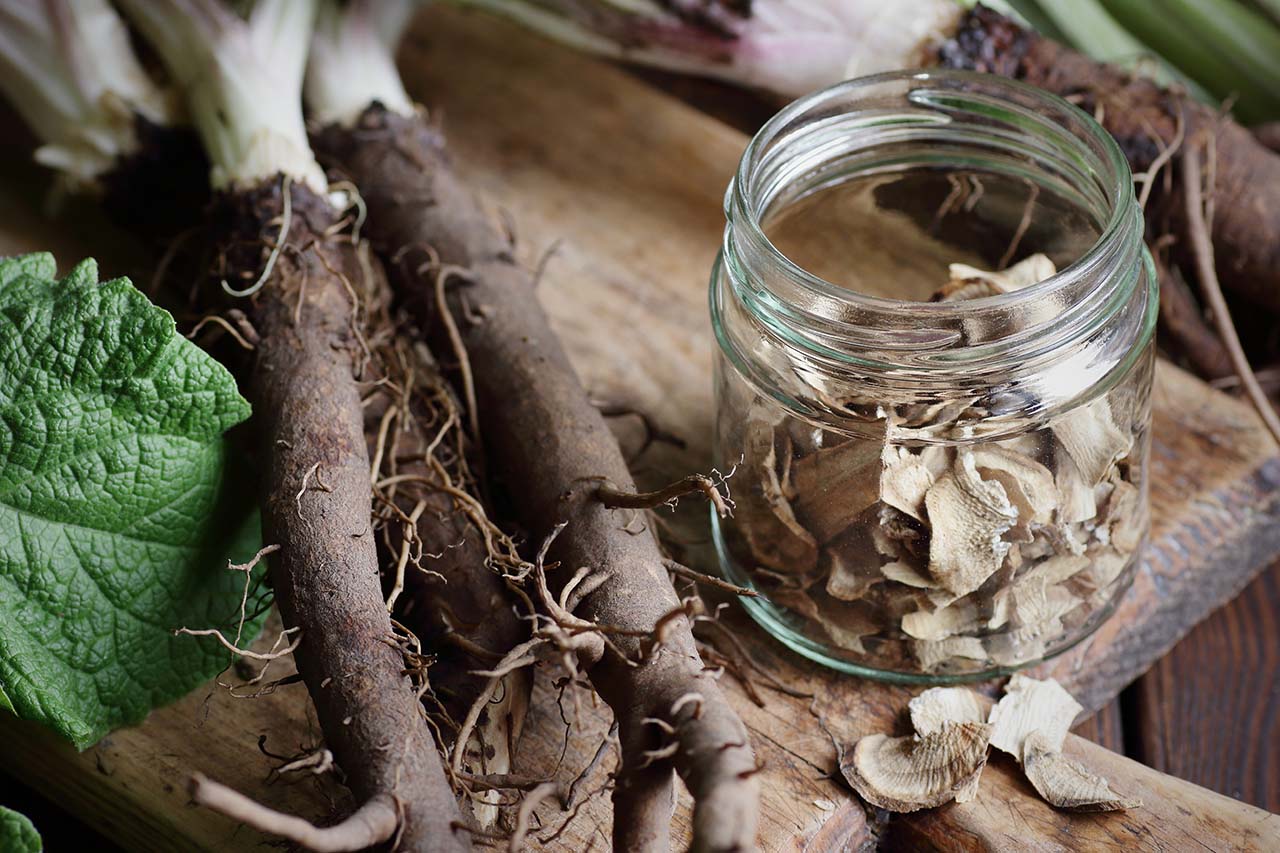
Burdock Root Benefits (Arctium lappa)
Burdock root is high in a prebiotic fiber called inulin. It’s anti-inflammatory and supports increased bile production. Dried burdock root has an earthy flavor and can be quite strong on its own, so I like to mix it with other flavors.
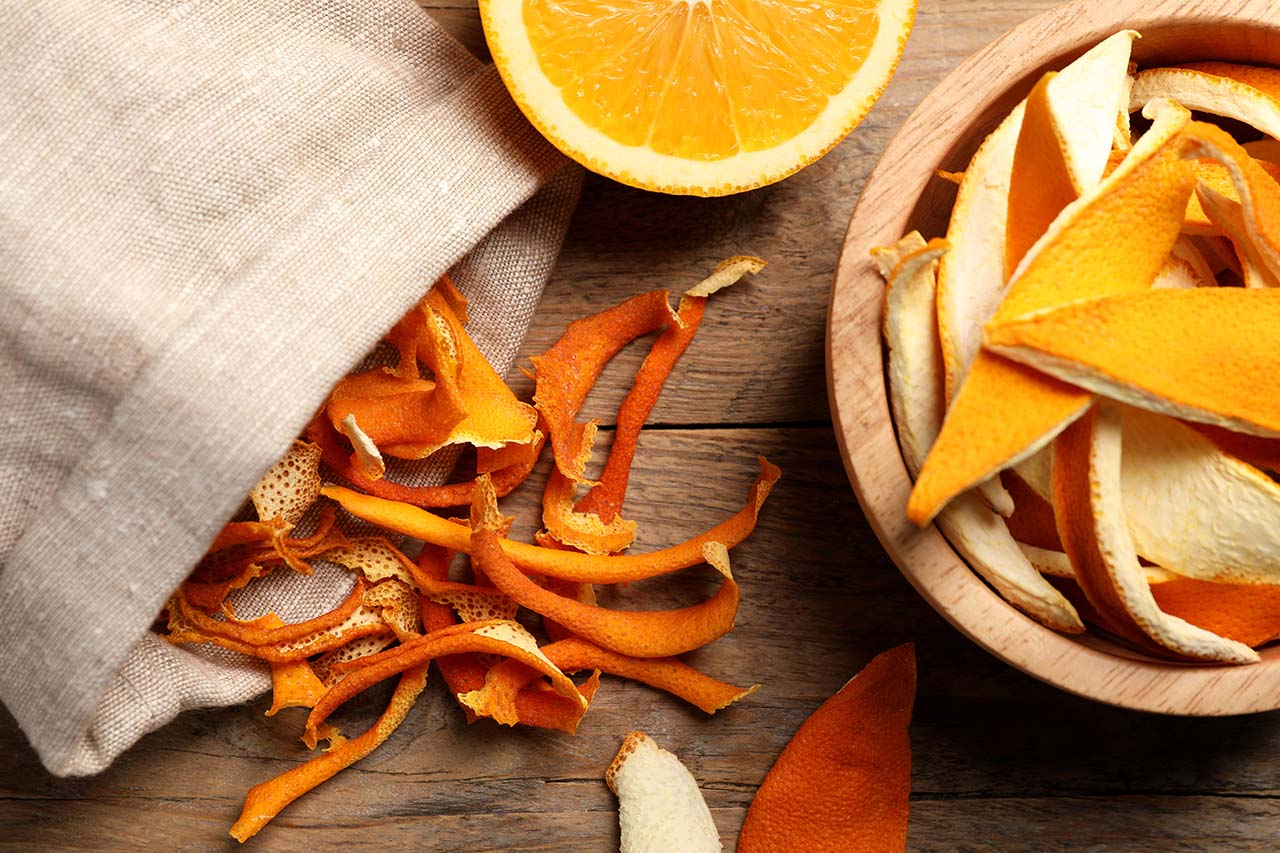
Orange Peel Benefits (Citrus × sinensis)
Most of the bitterness of the fruit lies in the peel. While many citrus peels can be used this way, I find that orange peel has more natural sweetness than the others. It can support many digestive concerns like gas and bloating, and it also balances the bitterness and earthiness of the chamomile and burdock root.
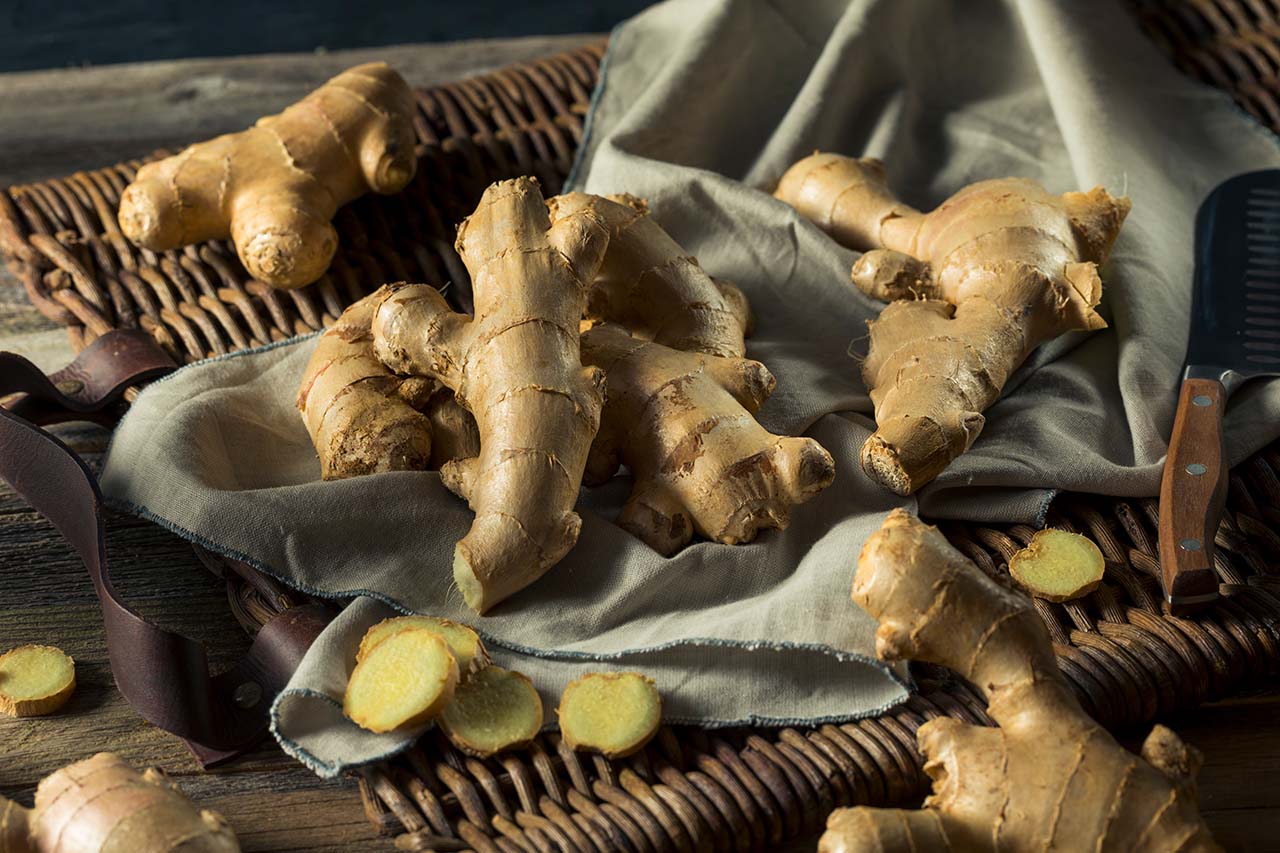
Ginger Benefits (Zingiber officinale)
Ginger is extremely well known for its ability to soothe the stomach. Like chamomile, it has carminative and anti-inflammatory properties. Ginger is commonly used for gas and stomachaches in the Caribbean, and it adds a pleasant flavor that makes this recipe a tasty addition to water or tea.
Here are a few frequently asked questions about herbal bitters…
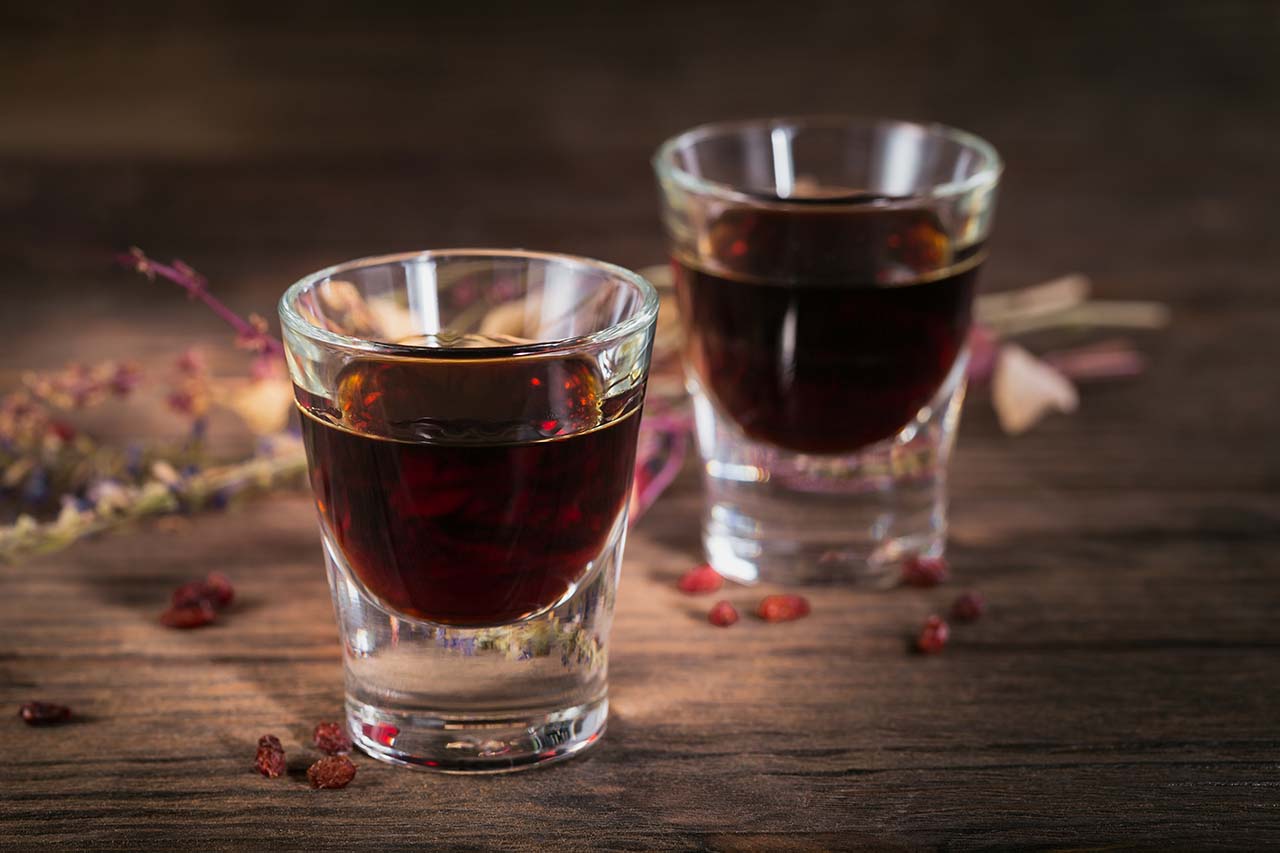
How can I use a bitters tincture?
It’s very common to add herbal bitters to tea, water, juice, or alcoholic beverages. You can also place drops directly under your tongue for faster absorption. Another suggestion is to use them in food preparations such as a homemade salad vinaigrette.
What if I don’t drink alcohol?
This recipe can easily be adapted into an herbal tea, infused vinegar, glycerite, infused honey, or an oxymel. Also, all of the bitter herbs in this recipe can be eaten in fresh form. Creating a juice with the fresh ingredients and/or a whole orange instead of just the peel could be an interesting alternative!
How long will this recipe last?
Since this recipe is essentially a tincture, it can last two years or more if stored in a cool, dark place.
What are some other bitter herbs that can be used for digestive health?
Other types of bitters may include medicinal herbs such as gentian root, dandelion root, hawthorn berries, and more. For some other recipes using bitter herbs, check out our Digestive Bitters & Grapefruit Bitters Recipe and Bitter Digestive Pastilles: A Convenient Bitters Recipe.
Who should not use digestive bitters?
If you have a chronic condition that results in irritation in the digestive system or affects the gallbladder, liver, or kidneys, herbal bitters can further aggravate those issues. Bitters are often made with alcohol, so they are not recommended for people who are pregnant or breastfeeding.


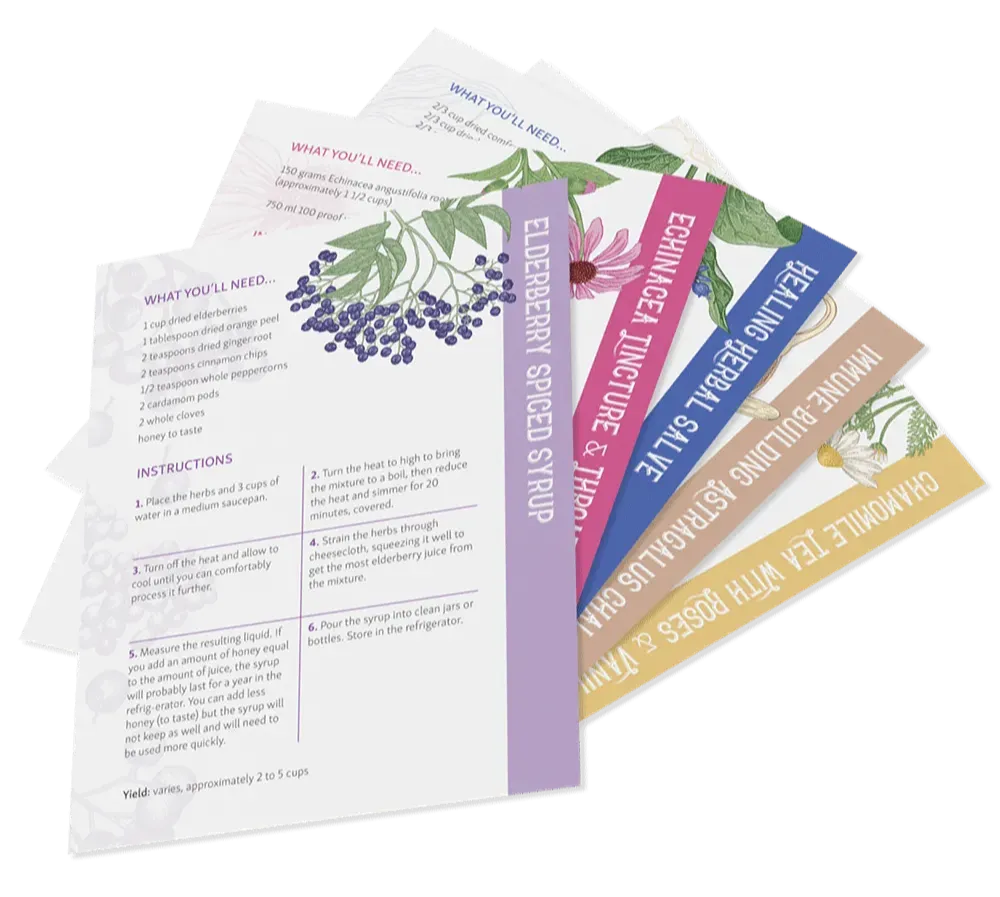
The Herbal Remedy Vault has all of our printable recipe cards...