Herb Notes: The Benefits of Dill
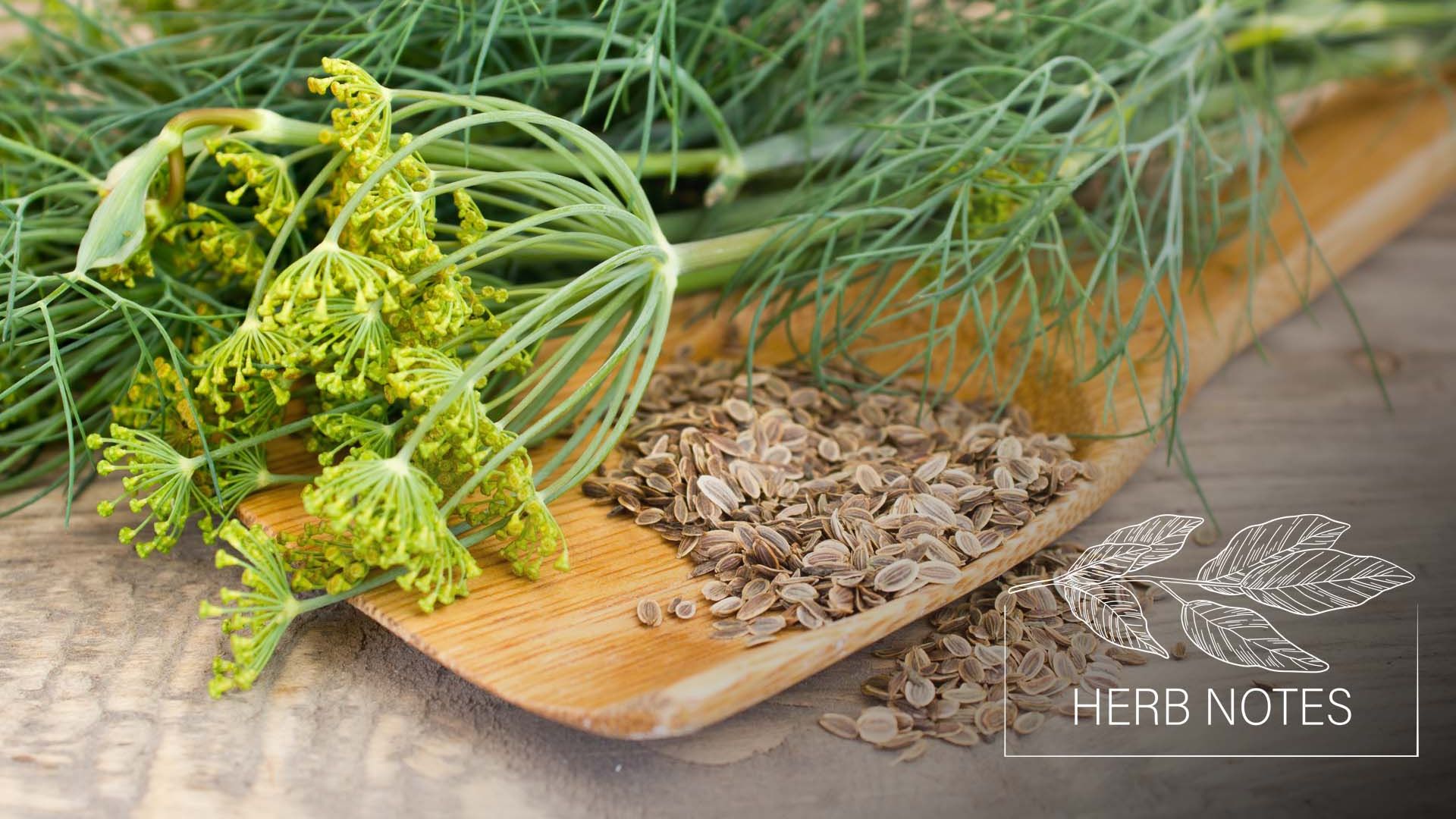
Known for its sweet and bitter flavor, dill (Anethum graveolens) is a quiet yet powerful medicinal ally in gardens and kitchens around the world.
Let’s dive into three medicinal uses of dill...
1. Dill for digestive functioning
Dill's minty, anise-like aroma indicates that this culinary herb offers more than just flavor. It also functions as a carminative, helping to dispel gas, ease cramping, and promote healthy digestion. Dill is particularly safe and effective for addressing digestive issues in children and has a long history of traditional use in alleviating infant colic.
2. Dill for breastfeeding parents
Beyond its colic-relieving properties, dill offers benefits for both infant health and postpartum wellness. As a galactagogue, dill can promote lactation and increase milk production in nursing parents. Therefore, by consuming fresh dill, parents may simultaneously increase milk flow and soothe their baby's colic, thanks to dill's ability to ease infant gas!
3. Dill for cholesterol and diabetes management
Dill can help balance blood sugar, making it a beneficial addition to diets aimed at reducing insulin resistance. Recent studies also suggest that dill can lower total cholesterol, LDL, and triglycerides, suggesting that this delicious herb may be a great addition to treatments for high cholesterol or type 2 diabetes.
Dill Contraindications
Dill is generally recognized as safe for consumption by the FDA. Although uncommon, some individuals have reported skin rashes from handling fresh dill, likely due to sensitivities to phytochemicals present in the carrot family.
Pregnancy: Dill is safe to eat in culinary amounts during pregnancy. However, therapeutic doses should be avoided unless recommended by a doctor.1
Want to Learn More About Other Common Herbs' Benefits?
Now that you've learned a little bit about the health benefits of dill, you might be wondering how you can learn more about the medicinal properties of other common plants.
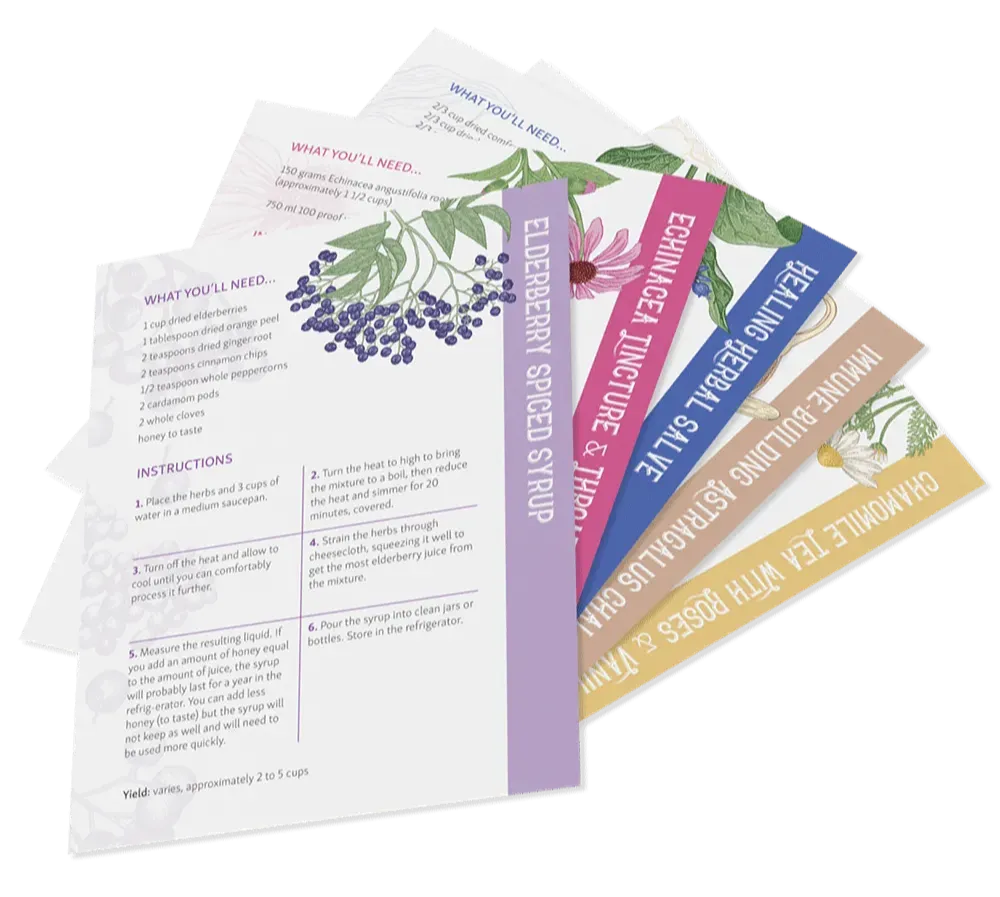
Well, here’s the easy way to get more info about some of our favorite herbs: download a FREE deck of our top 12 Herb Notes here. You’ll learn all about the medicinal properties of common herbs like elderberry, dandelion, and more.
P.S. Here are some frequently asked questions about dill…
What parts of dill are used medicinally?
The leaves, seeds, stalk, and flowers of the dill plant are all medicinal — and delicious! The seeds of dill contain the highest amount of carminative essential oils, and are often used when treating digestive issues. The leaves, stalks, and flowers are high in vitamins and minerals, and have more gentle doses of the medicinal compounds.
How do you prepare dill for medicine?
When decocting dill seed, it is recommended to use 1 teaspoon of dill seed per 1 cup of water. For infusions of the fresh leaves, stems, and flowers, up that ratio to 1 tablespoon of plant material per 1 cup of water. In culinary preparations, the best way to “dose” dill is by including large handfuls of freshly chopped leaves in soups, salads, stir fries, or any recipe calling for this delicious and medicinal flavor.
Fun fact: the common English name dill may originate from the Norse word dilla, which means “to lull or soothe,” or from the German dolde, which means umbel, referring to dill's inflorescence type!

Footnotes
The Herbal Remedy Vault has all of our printable recipe cards...