How to Make Fermented Fireweed Tea
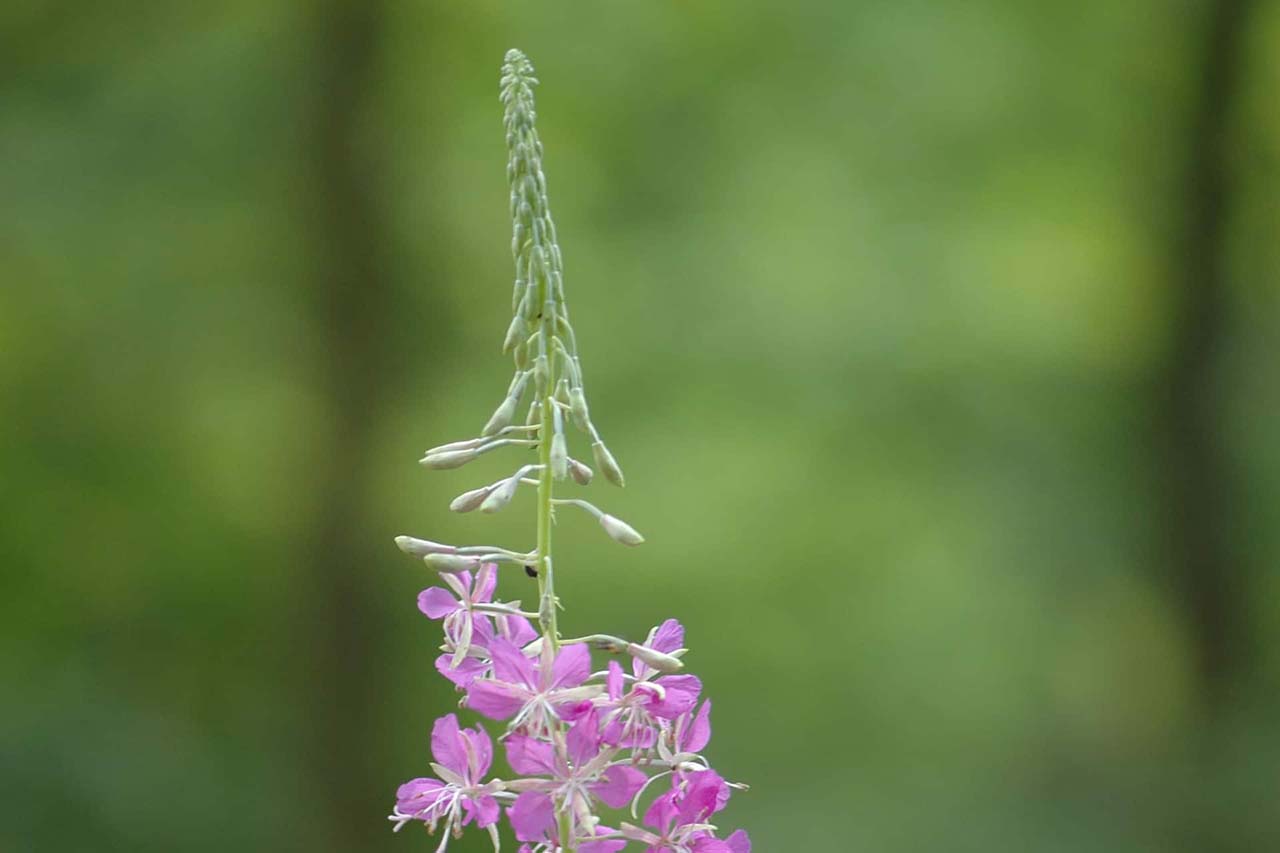
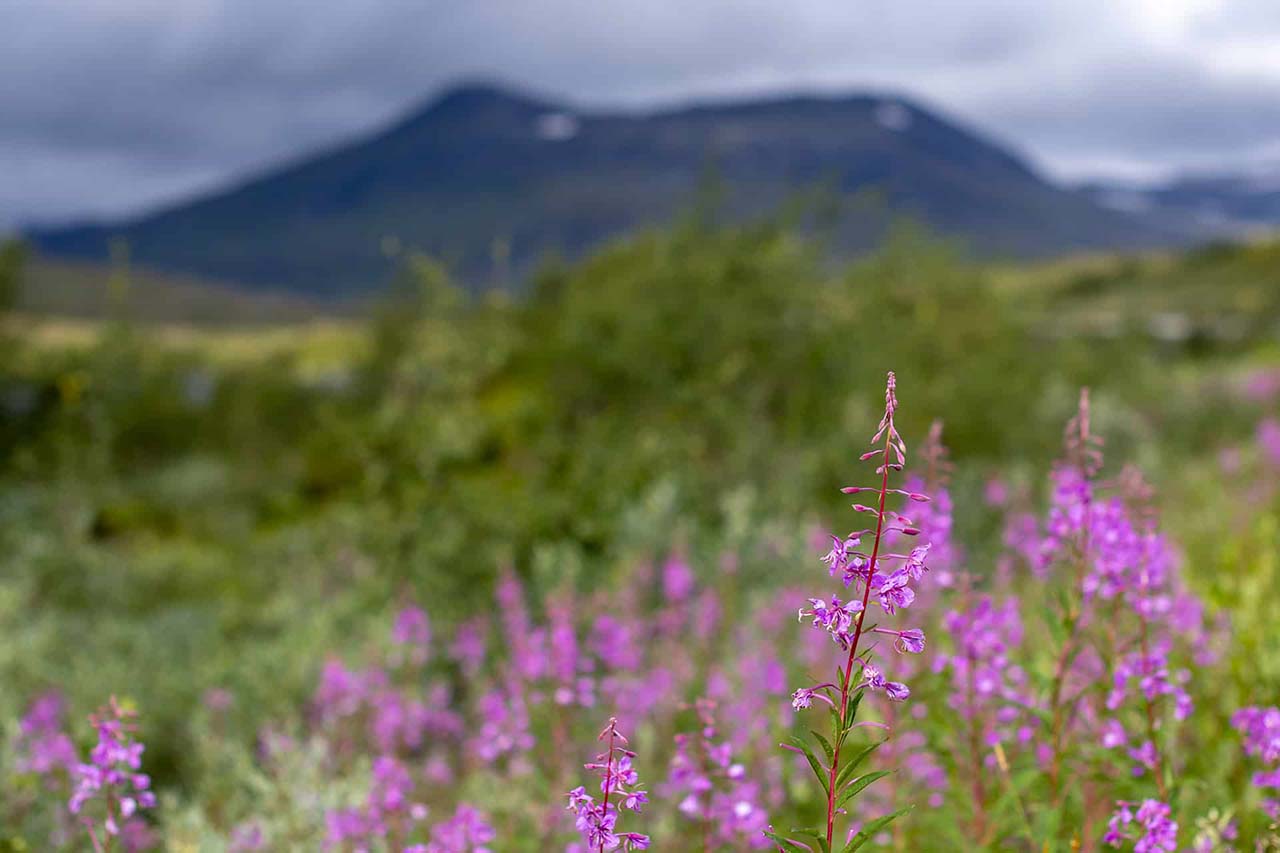
Fireweed tea is a delicious and healthful herbal tea made from the leaves of Chamerion angustifolium (synonym Epilobium angustifolium), a striking plant that blooms across the Northern Hemisphere during the summer. In the Pacific Northwest and the High Sierra, it is easily spotted by its purplish-pink plumes of flowers blooming in open meadows, along forest streams, and in areas touched by wildfire. This plant goes by many names worldwide: willowherb, screecher, down-bed, Ivan chai (after the traditional Russian drink made from its leaves), and of course, fireweed.1 Its name reflects not only its ability to thrive in fire-disturbed areas, but also the long history of stories and uses connecting the plant with flames.
Beyond its benefits, making wild fireweed tea carries a special kind of magic. Each summer, when the tall pink flowers bloom, the plant foraging ritual of harvesting and preparing the leaves feels almost meditative. Later in the year, opening a mason jar of fermented herbal tea brings back the warmth of summer fields, sunny days, and the moment the leaves were gathered.
Let’s explore the full process of making fermented fireweed tea, a method closely aligned with the traditional practices of our ancestors.
How to Make Fermented Fireweed Tea
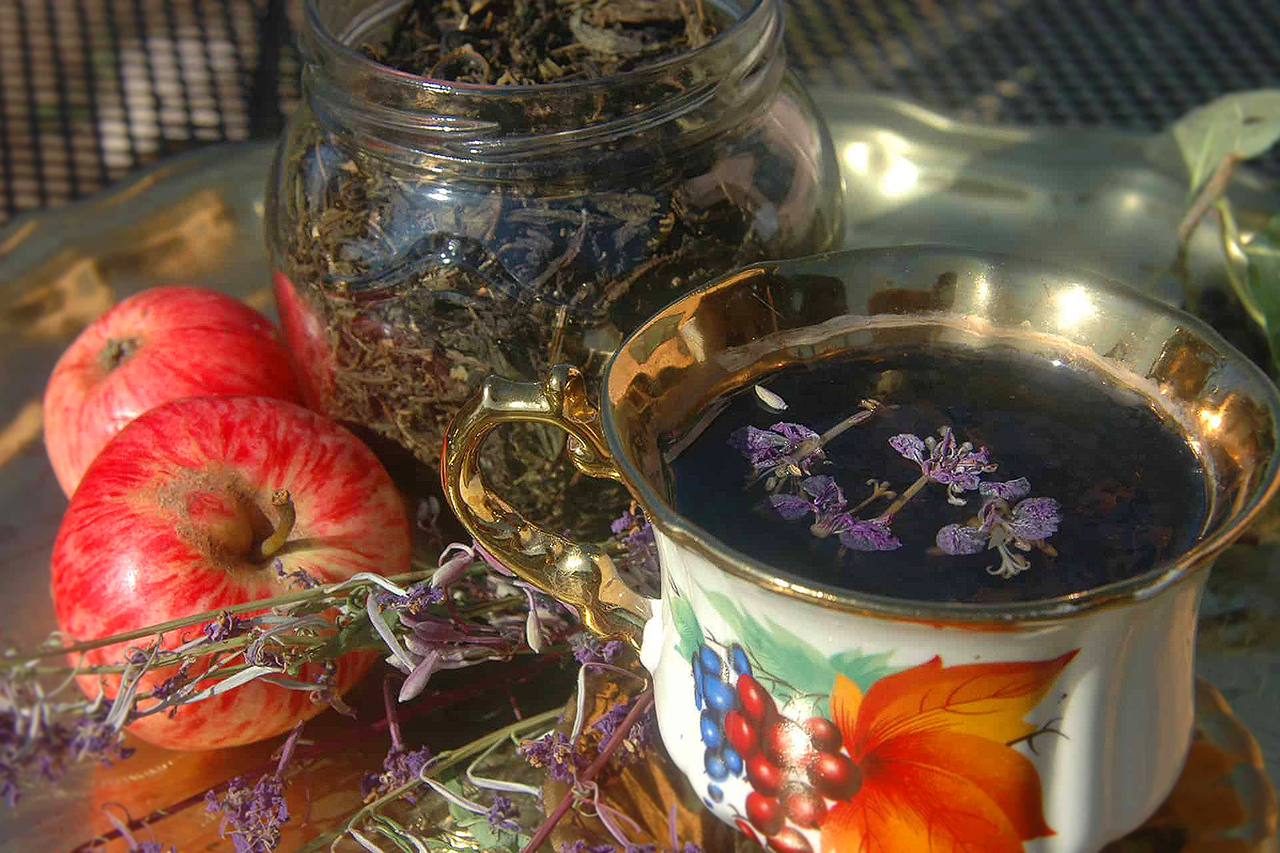
There is considerable evidence that Chamerion angustifolium has strong therapeutic potential and a variety of medicinal properties. Studies suggest that water-based preparations, such as fermented fireweed tea, extract its beneficial compounds especially well.2 This tea is naturally caffeine-free3 and does not stain tooth enamel4 like many traditional teas.
What you’ll need…
- Basket or container for harvesting
- Tray or flat surface for wilting leaves
- Two bowls (leaves + debris)
- Food processor (optional – using hands is better)
- Glass, enamel, or food-grade bowl for fermenting
- Wet cloth or lid to cover leaves
- Baking sheets & oven (~65°C / 149°F)
- Airtight container for storage
Harvesting
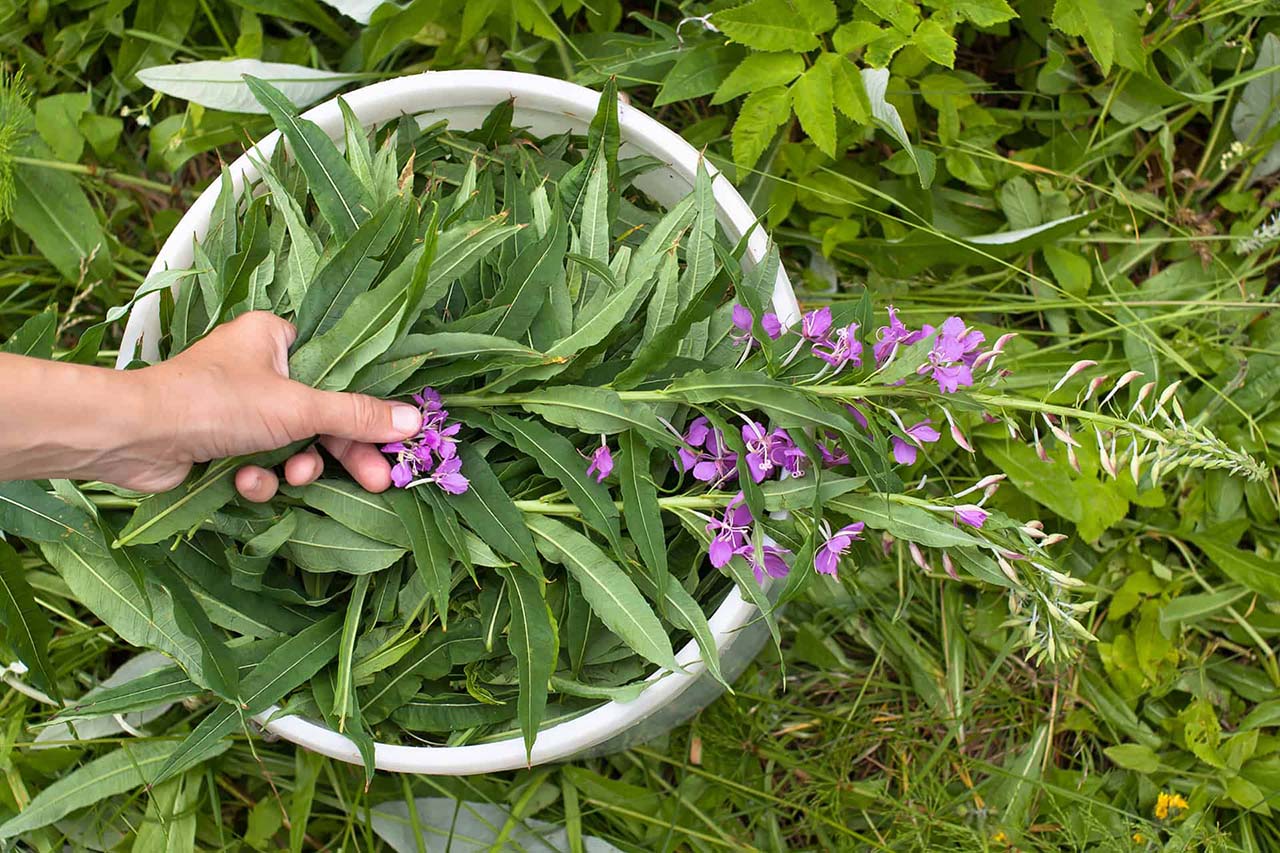
Harvesting fireweed leaves for fermented tea is a calming, mindful process:
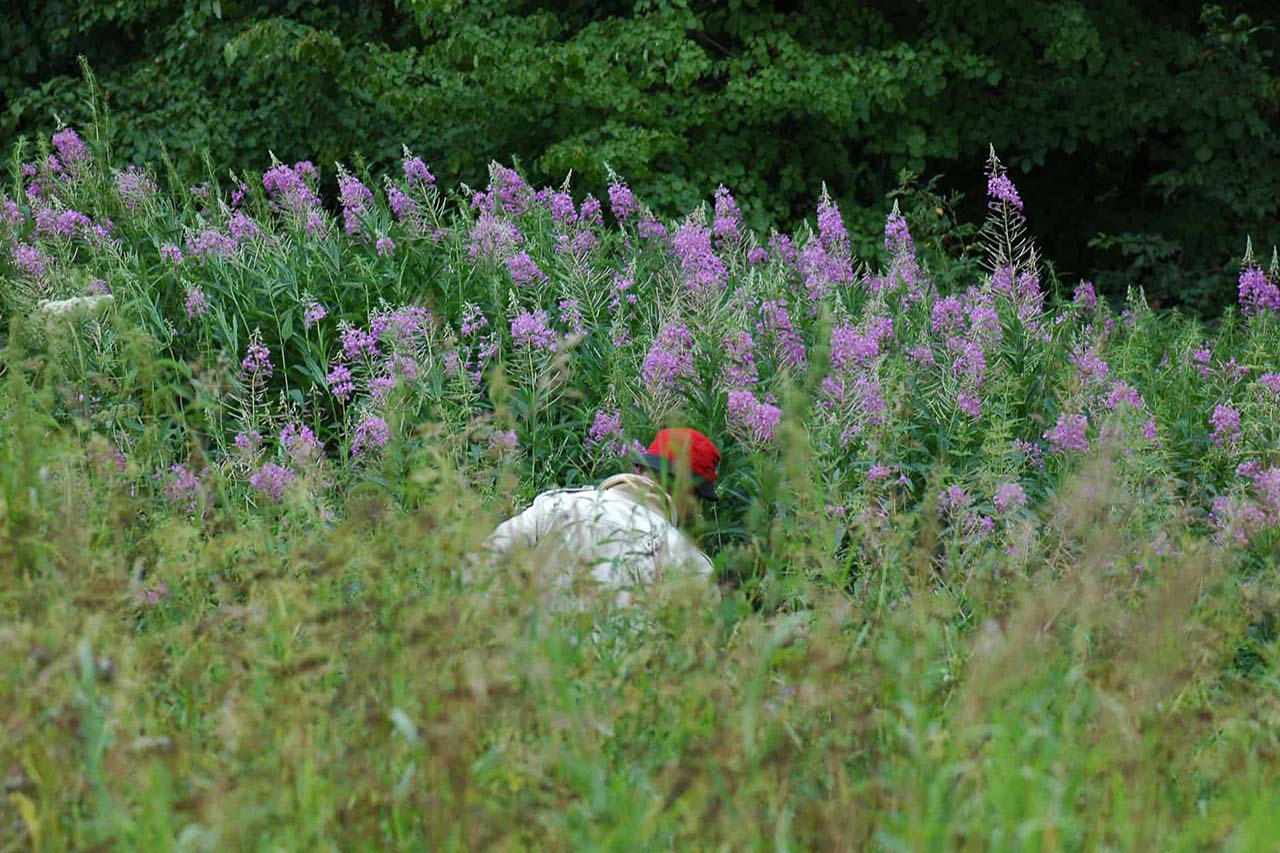
- Pick leaves during flowering on a sunny, dew-free morning, when polyphenol levels are highest.5,6
- Gather from abundant patches, taking only middle leaves and leaving flowers so the plants can produce seeds.
- Avoid stripping too many leaves from any one area to protect the stand.
- Slightly insect-touched leaves are fine, as stressed plants often make extra protective compounds.
- Keep the leaves cool in a basket to prevent fermentation from starting too early.
- Simply standing among the bright pink flowers can make the experience grounding and joyful.
Dehydrating
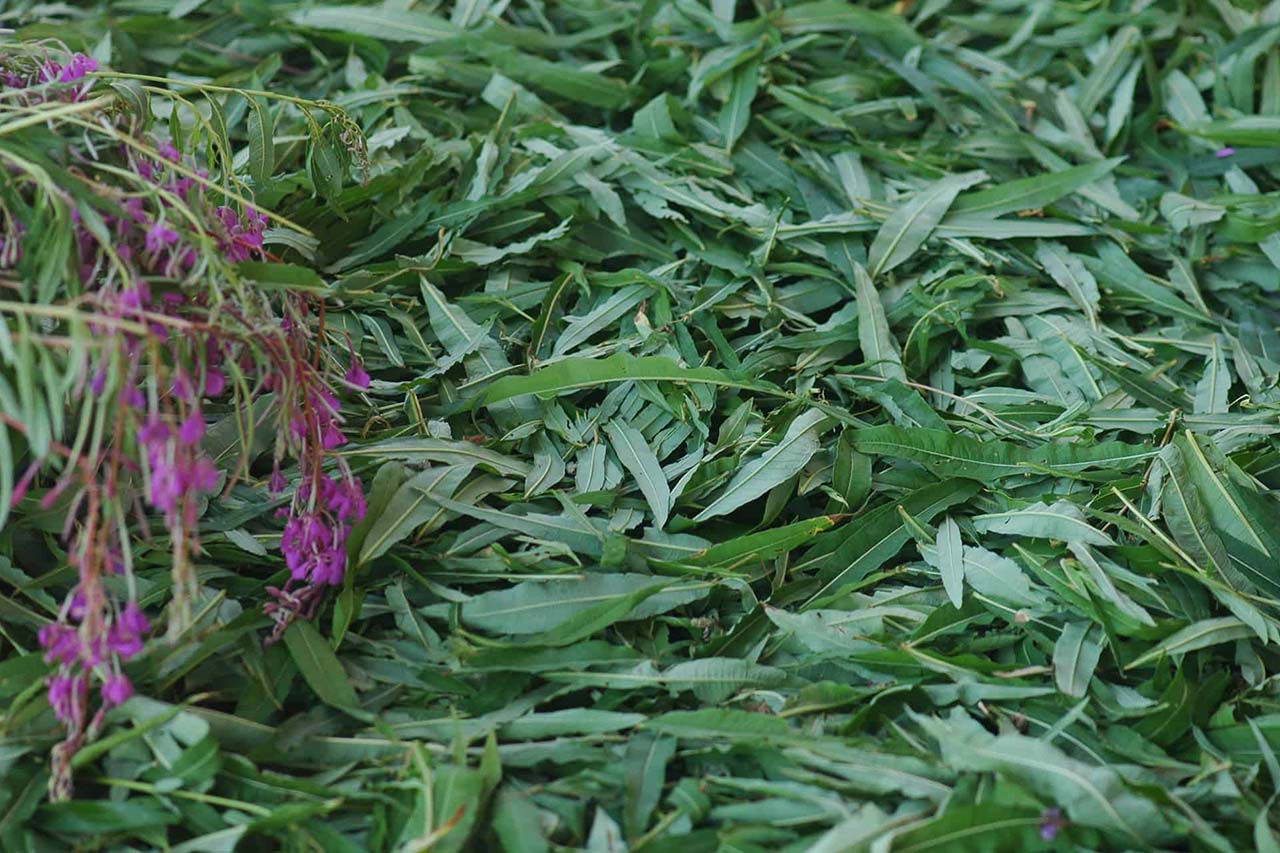
When you get home, spread the fireweed leaves in a thin layer in a shaded outdoor spot or in a well-ventilated room away from direct sunlight. Let them rest for a couple of hours so they lose some moisture and create the right conditions for fermentation, but be careful not to overdry them. Properly wilted leaves should still look fresh, but they will feel softer and more flexible. This is also a good time to remove any insects, snails, or dried leaves before continuing with the process.
Processing
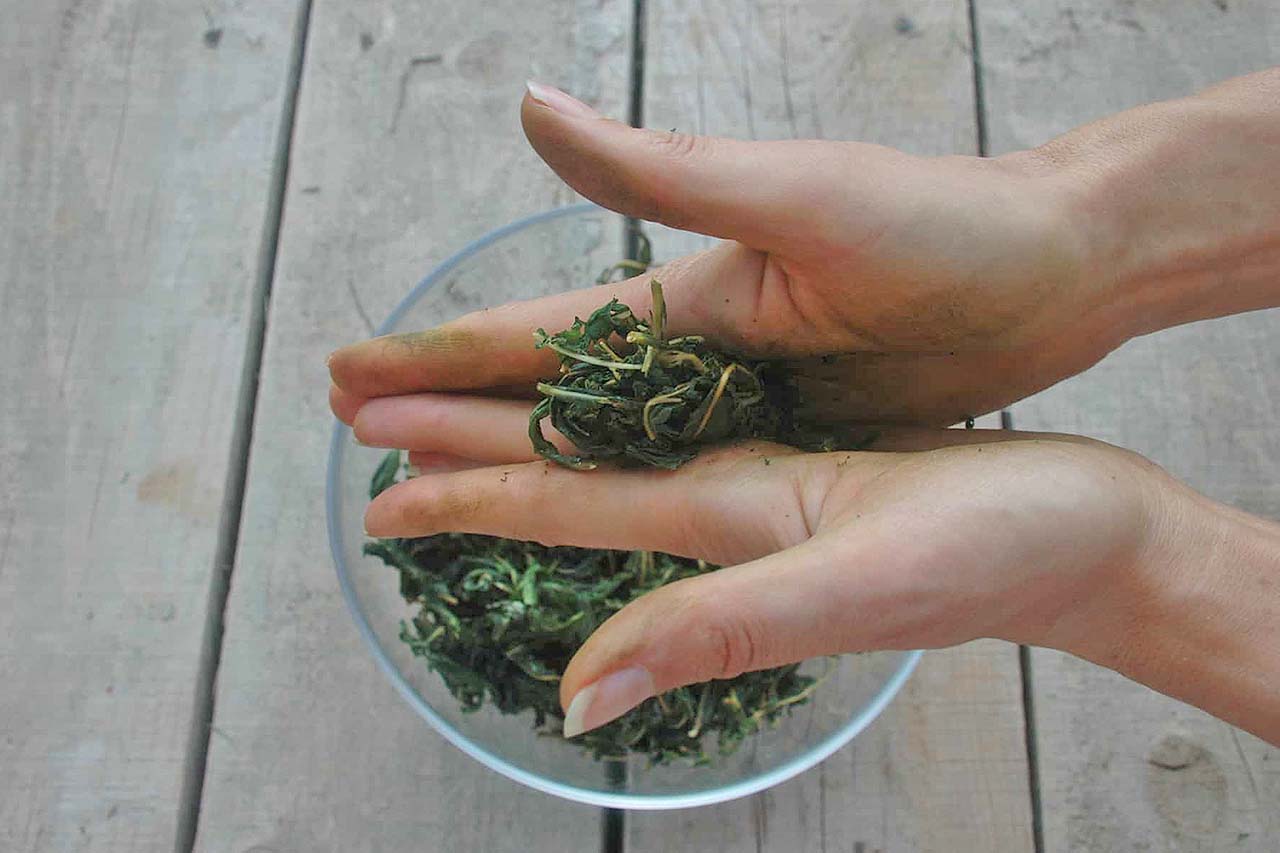
Before you begin, make sure the leaves have lost some moisture. Have two bowls ready, one for the processed leaves and one for plant bits to discard.
- Rub small handfuls of leaves between your palms until they release juice and darken, then transfer them to the collecting bowl.
- After all leaves are rubbed, place them in a glass, enamel, or food-grade plastic bowl and gently press them together.
- Cover the bowl with a damp cloth to keep the leaves from drying out.
- Optional: a food processor can speed up this step, but hand-rubbing preserves the plant’s delicate compounds.
Fermenting
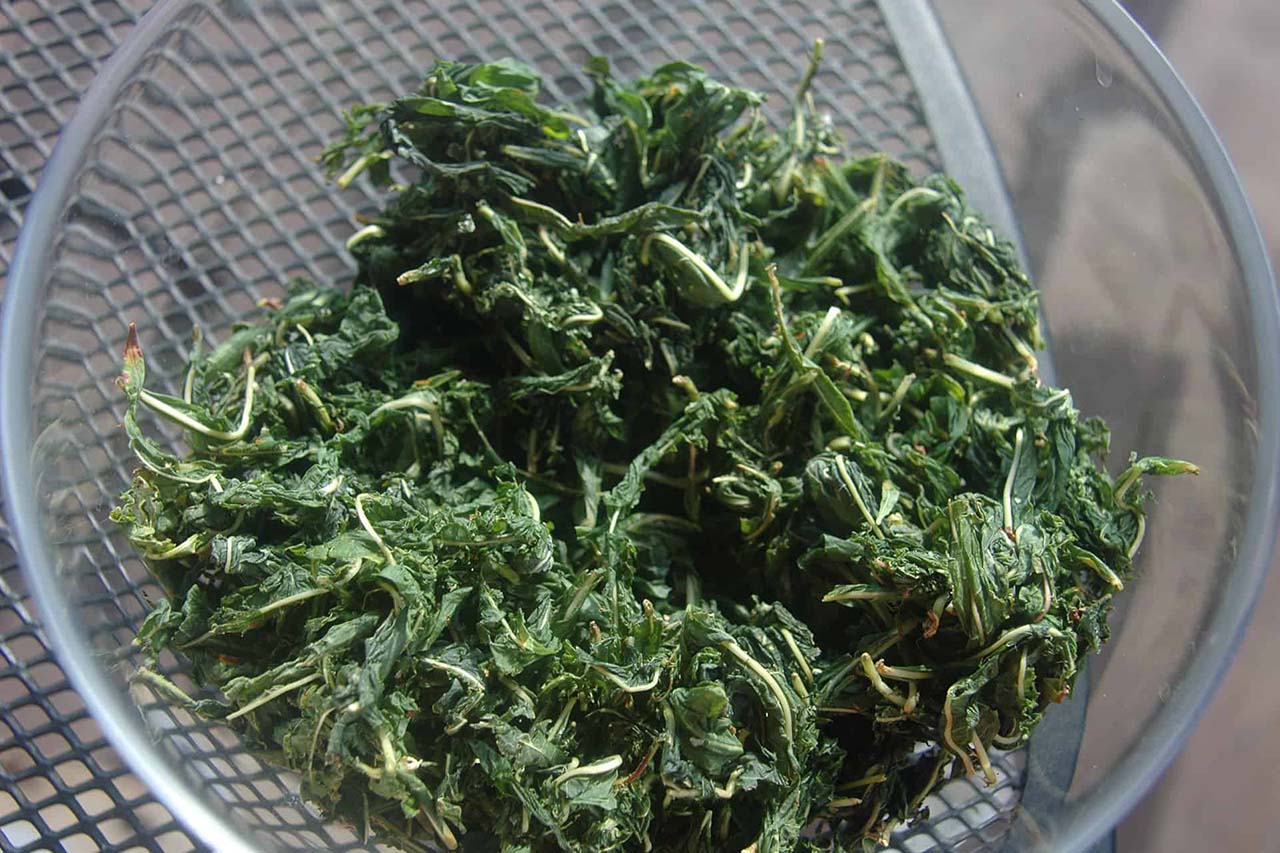
Keep the processed fireweed leaves at a temperature of 25–30°C (77–86°F) for at least six hours to allow fermentation. You can adjust the flavor and aroma of the tea by varying the fermentation time:
- 6 to 8 hours: The tea will have a bright green note and a mild taste.
- 8 to 16 hours: The tea develops a lovely fruity note with a hint of bitterness, along with a richer flavor and aroma.
- 16 to 36 hours: The tea will have a more pronounced bitter note, with very little fruity or sour flavor and a less intense aroma.
These time frames are guidelines. Your ideal fermentation time may vary depending on taste preferences and local climate.
Drying
It’s important to stop fermentation at the right time to preserve the flavor, aroma, and quality of your fireweed tea. Follow these steps:
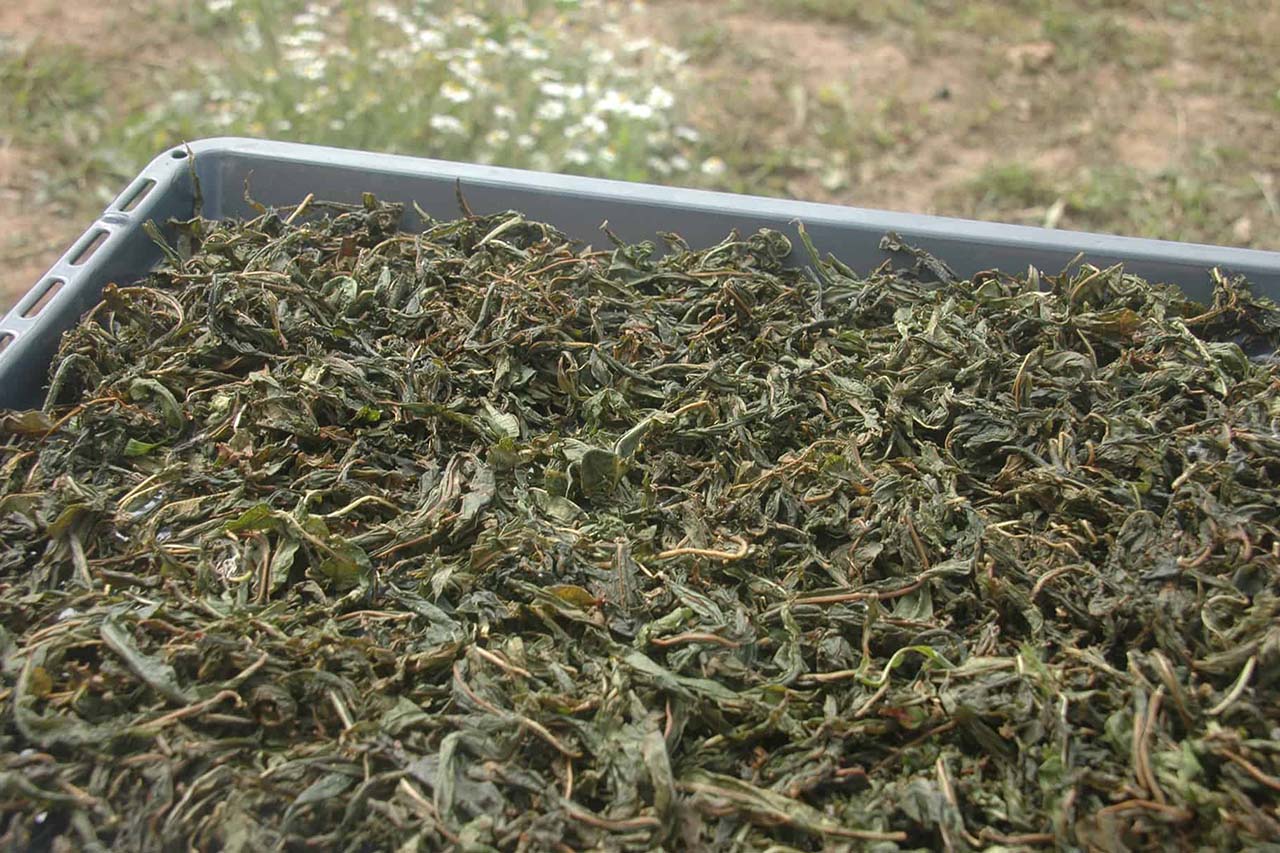
- Spread the fermented fireweed leaves in a thin layer on baking sheets.
- Preheat the oven to 65°C (149°F), ideally using a convection setting.
- Place the sheets in the oven to begin drying.
- Leave the oven door slightly open at the start to let moisture escape. If your oven shuts off when open, briefly open it from time to time.
- Dry the leaves for about 3 to 4½ hours, depending on quantity and oven size.
- When done, the leaves should crumble easily, though a slight hint of moisture may remain. This will disappear in the final drying stage.
Tip: For a gentler, more consistent drying, you can use a dehydrator set to the lowest temperature.
Final Drying
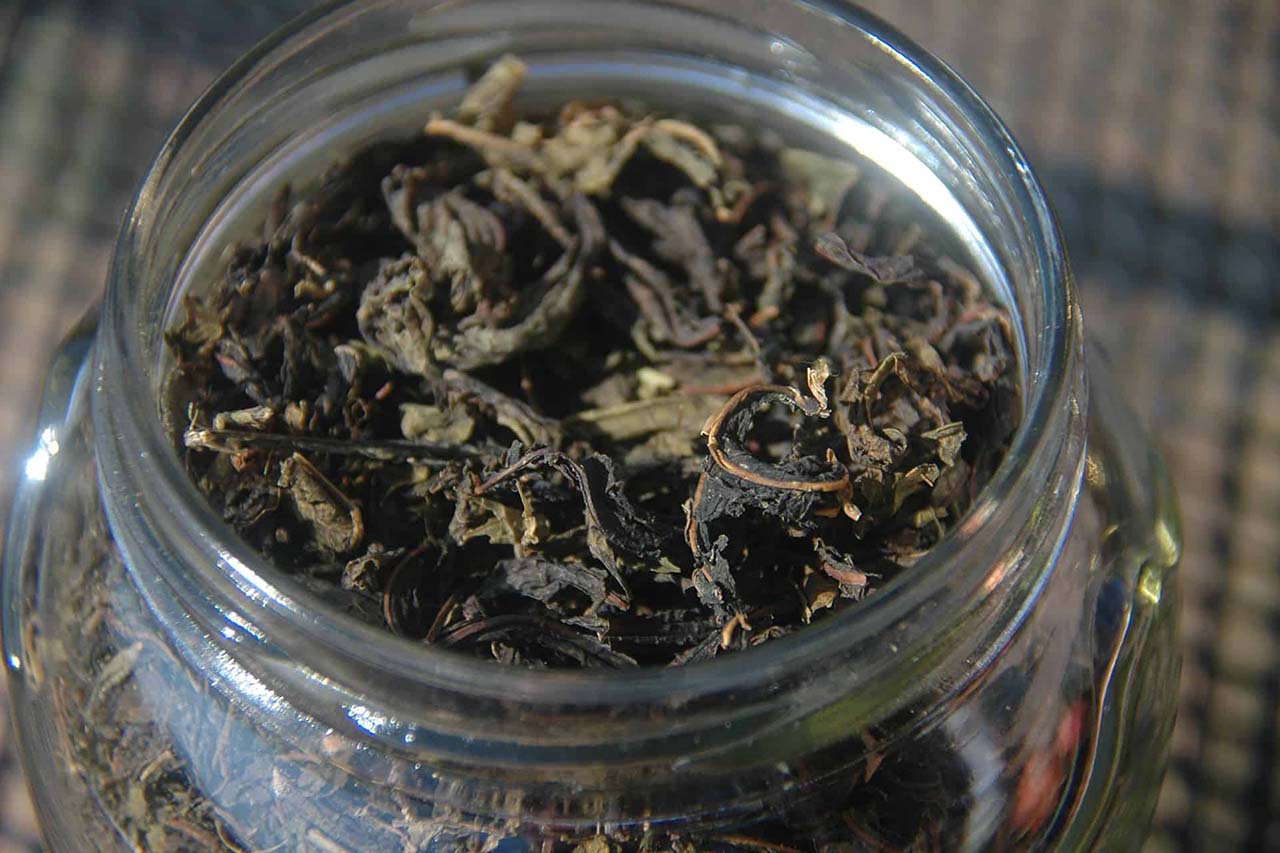
After drying them in the oven, spread the leaves in a thin layer in a well-ventilated room for the final drying. This usually takes 3 to 4 days. At the end of this period, the tea (it is no longer leaves, but fireweed tea or Ivan chai!) can be placed in a glass jar. It is also believed that the tea should mature in the jar, like wine. So, wait 1 to 2 weeks to try it.
Steeping Instructions
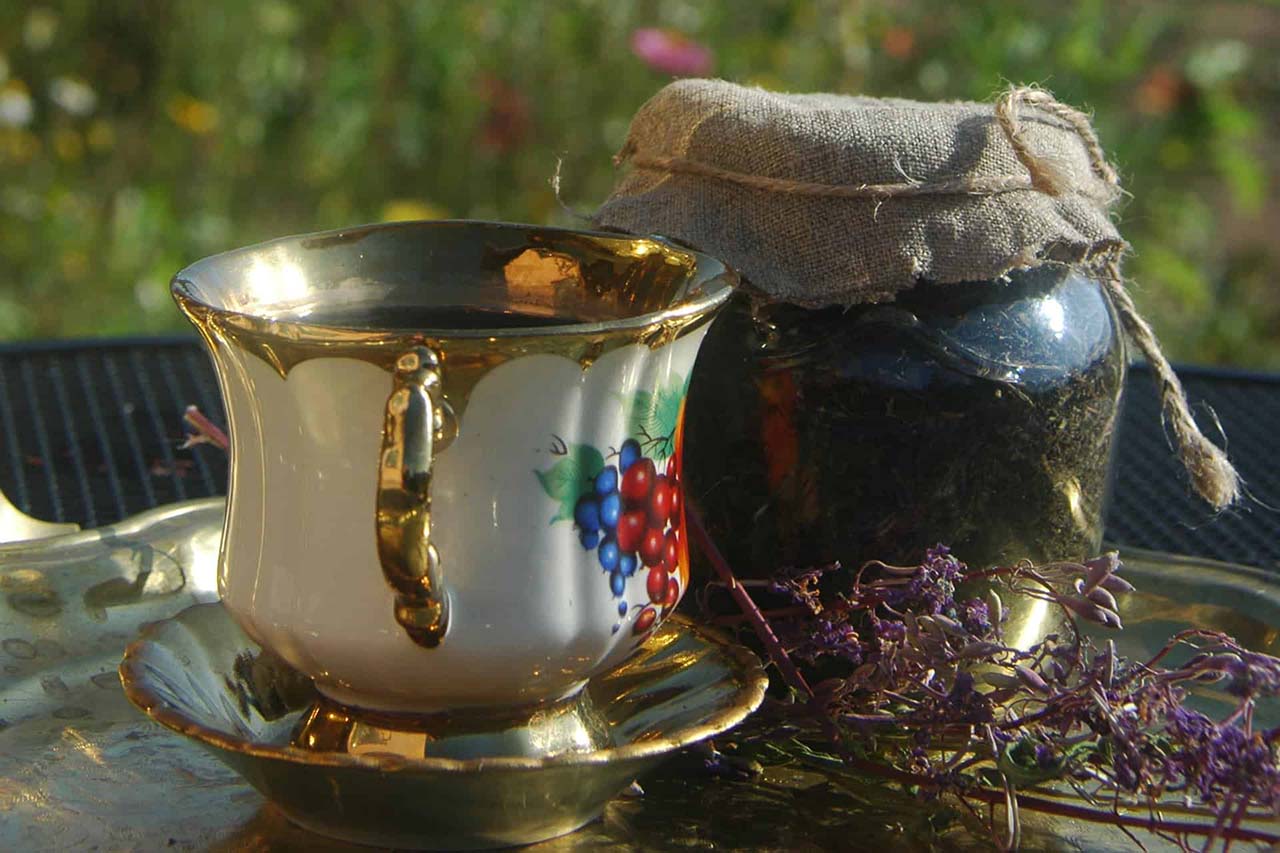
Fermented fireweed tea can be infused like black tea. Simply put 1 full teaspoon of fireweed leaves into a tea strainer in a cup (200 ml) and pour in boiling water. Let the tea steep for a couple of minutes, then strain and enjoy its floral and citrus notes!
You can also prepare a tea concentrate in a half- to one-liter pot and then dilute small amounts with hot water to serve. This method is especially convenient for sharing with a group, such as at a tea party with friends.
Uses and Benefits of Fireweed
Fireweed (often called Ivan chai when made into tea) is a surprisingly powerful and deeply nourishing plant. Packed with protective compounds, it helps calm inflammation, support digestion, and gently boost or balance the immune system. It is especially valued for soothing the gut lining, easing infections, and promoting better sleep without side effects. In addition, it supports the body’s natural detox processes and may help protect cells from damage and aging. In simple terms, fireweed tea is a restorative, all-around tonic, both calming and strengthening, making it a wonderful daily ally for overall health.
Beyond its role as a general tonic, fireweed tea works gently across several body systems in a way that feels both calming and strengthening. In the digestive system, its natural mucilage helps coat and soothe irritated tissues, while tannins tone and tighten, making it especially helpful for things like gastritis, ulcers, or general gut sensitivity. Its anti-inflammatory and antioxidant compounds also support the immune system, helping the body respond to infections while keeping inflammation in check. For the nervous system, fireweed has a mild sedative effect that can ease tension, support more restful sleep, and calm headaches without feeling heavy or dulling. It also shows a natural affinity for the urinary tract, where it can soothe irritation and support healthy function, especially in cases of inflammation. Taken regularly, it offers quiet, steady support, helping the body repair, protect, and rebalance itself over time.
Want to learn more about fireweed?
You can check out the complete fireweed monograph on HerbMentor. HerbMentor is an incredible learning community full of classes, monographs, live meetups, and more. Join the HerbMentor community here.

Here are a few frequently asked questions about fermented fireweed tea…
Can I add blossoms to my fireweed tea?
Fresh or dried fireweed blossoms can be added to fermented leaves when making tea, but the blossoms themselves should not be fermented and should instead be gently dried for a short time. Adding the flowers brings a pleasant floral undertone to the tea and enhances its beneficial qualities.
Fireweed blossoms are rich in flavonoids, anthocyanins, and vitamin C, containing about six and a half times more vitamin C than lemons. The aerial parts of fireweed collected during the blooming stage, especially the flowers, have been shown to have particularly high flavonoid content and strong antioxidant activity7 beneficial to the circulatory system.
Why make fermented fireweed tea?
Many traditional herbal preparations can be made from fireweed, but fermented fireweed tea stands out not only for its health benefits but also for its delightful flavor. A simple infusion of fresh or dried leaves has a strong green note, yet tea made from fermented leaves develops a rich color, beautiful aroma, and complex, pleasing taste. Its enjoyable flavor is just one of the reasons to try fermented fireweed tea as an alternative to traditional black tea or green tea.
Beyond its delightful flavor, fermented fireweed leaf tea offers a host of additional benefits. The wild foods fermentation process breaks down plant compounds, making them easier for the body to absorb and more readily extracted in tea.8 In fact, several studies have shown that an aqueous (water-based) extract of fireweed is much more potent than an ethanol extract, highlighting why tea is such an effective way to enjoy the plant’s properties.9 Fermentation also helps neutralize certain naturally occurring compounds in the fresh plant that may stress the liver.10 Natural microorganisms on the surface of the leaves play an important role in this process, which is why freshly harvested leaves are typically not rinsed before fermenting. The length of fermentation influences the tea’s flavor, and gentle drying afterward stops the process while preserving the plant’s beneficial qualities.
What other herbs can be added to fireweed tea?
Fireweed tea can be enjoyed on its own, but it’s also interesting and beneficial to blend it with other medicinal plants. Here are some herbal blend ideas:
Blend 1:
- Fermented fireweed leaves – 1 part
- Meadowsweet flowers – 1 part
- Wild apple tree leaves – 1 part
Blend 2:
- Fermented fireweed leaves – 2 parts
- Lemon balm (aerial parts) – 1 part
- Black currant leaves – 1 part
- Oregano (aerial parts) – 1 part
Blend 3:
- Fermented fireweed leaves – 2 parts
- Raspberry leaves – 1 part
- Spearmint (aerial parts) – 1 part
- St. John’s wort (aerial parts) – 1 part
What is the best way to get the benefits from fireweed tea?
Most studies on fireweed have used water-based preparations, which means many of its benefits can be enjoyed simply by drinking fermented fireweed leaf tea regularly. For best results, drink the tea without added sugar (which may reduce some of its active compounds)11 and enjoy it consistently for about one to three months.12 Properly prepared tea can be stored and used for up to two years.


Footnotes
The Herbal Remedy Vault has all of our printable recipe cards...