Herb Notes: The Benefits of Fennel
Beloved as an aromatic herb and vegetable, fennel (Foeniculum vulgare) has a long history of medicinal use all over the world.
Let’s dig into three medicinal uses of fennel…
1. Fennel for digestive health
Fennel is best known for its support of the digestive system. Its aromatic oils are antispasmodic, and can relieve muscular cramps and symptoms of IBS. Fennel can move along slow digestion that leads to constipation and abdominal bloating. In Ayurveda, fennel is considered one of the best herbs for strengthening digestive fire and the capacity to convert food into energy.
2. Fennel for the lungs
With its antispasmodic and expectorant properties, fennel is a strong ally for the respiratory system. A tea or syrup made from the seeds can make coughs more productive, and can relieve hoarseness, asthma, chest congestion, and shortness of breath.
3. Fennel for kidney and bladder health
The diuretic and anti-inflammatory properties of fennel help support healthy kidney, bladder, and urinary functions. Fennel promotes detoxification of these systems through its ability to combat infection, and its stimulation of urination allows the kidney and bladder to function more efficiently.
Fennel Contraindications
Fennel is considered safe as there are no reports of any serious side effects and no toxicity observed in scientific experiments on humans.1
Want to Learn More About Other Common Herbs' Benefits?
Now that you've learned a little bit about the health benefits of sage, you might be wondering how you can learn more about the medicinal properties of other common plants.
Well, here’s the easy way to get more info about some of our favorite herbs: download a FREE deck of our top 12 Herb Notes here. You’ll learn all about the medicinal properties of common herbs like elderberry, dandelion, and more.
P.S. Here are some frequently asked questions about fennel…
What is the best way to work with fennel medicine?
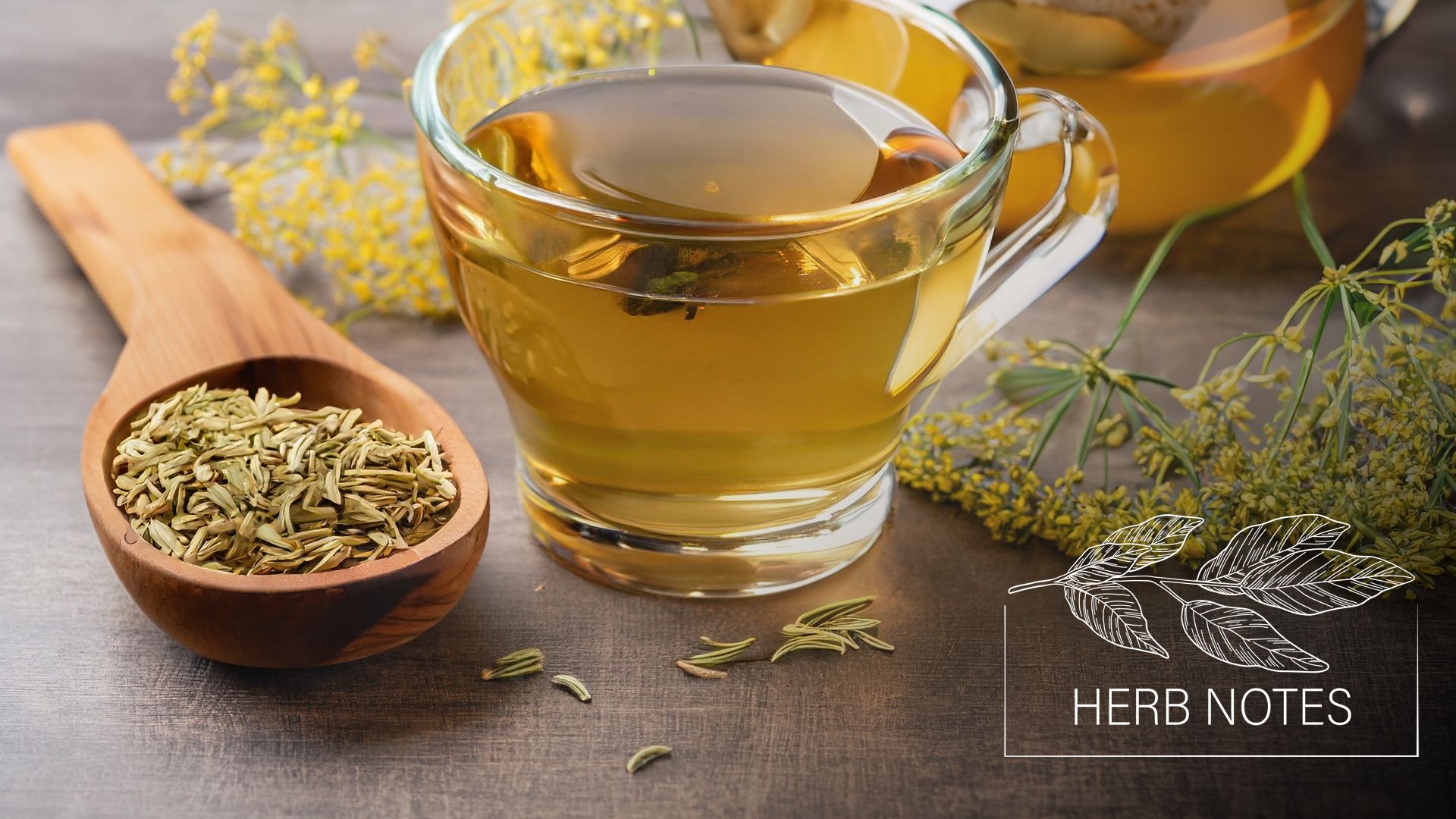
Perhaps the most delightful way to receive the medicinal benefits of fennel is to cook with it! The sweet and cooling fennel seeds, leaves, stalks, and bulbs are edible and eaten in cuisines around the world. Fennel seed is part of Chinese five-spice powder, and the seeds are often added to Indian, Mediterranean, and Middle Eastern dishes. I love to make a fresh, lemony salad with shaved fennel bulb and chopped fennel leaves, and enjoy the licorice-like flavor in a tea made from the seeds.
Where does fennel grow?
Fennel grows wild across the Mediterranean, and is sometimes found as a naturalized garden-escapee in hot and dry places. It has been introduced to gardens in nearly every corner of the world! Wildcrafters are cautioned to be extra careful when harvesting fennel in the wild due to its similar appearance to poisonous plants also in the carrot family.
What does fennel look like in the wild?
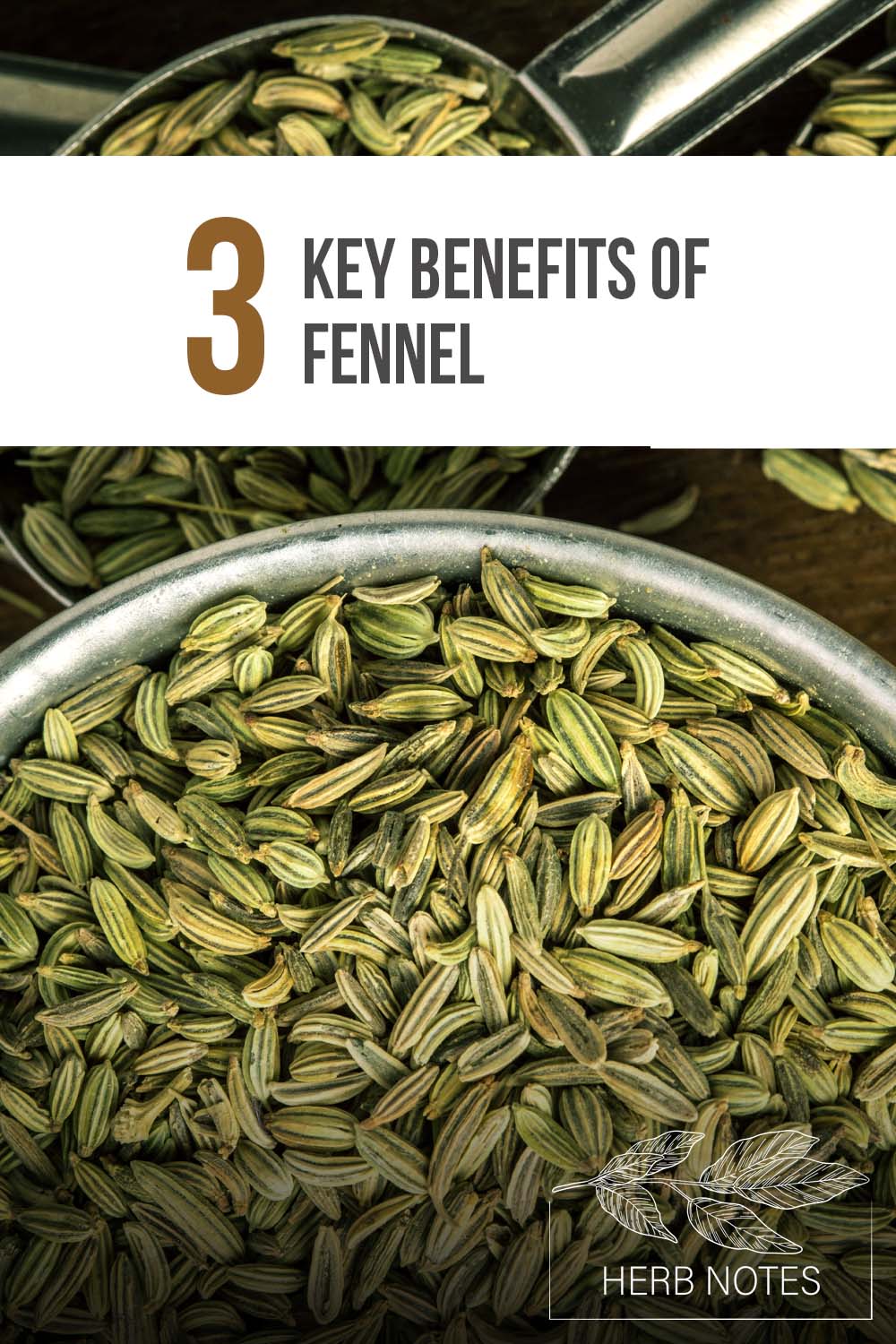
The plant is characterized by its feathery, dark green leaves, hollow stems, green-yellow flower umbels, and a thick root stock. It can grow up to 6.5 feet / 2 meters tall! Fennel blooms in summer and produces its grooved-shaped seeds (or fruits) in late summer.
Footnotes

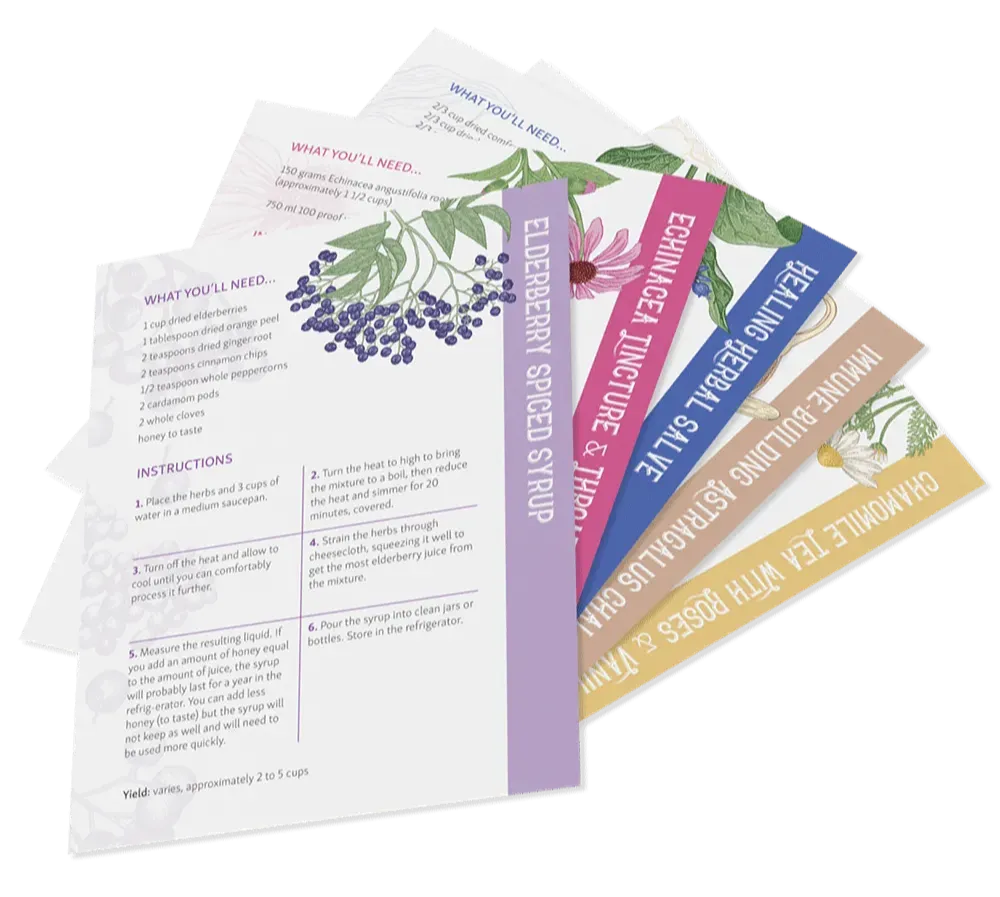
The Herbal Remedy Vault has all of our printable recipe cards...