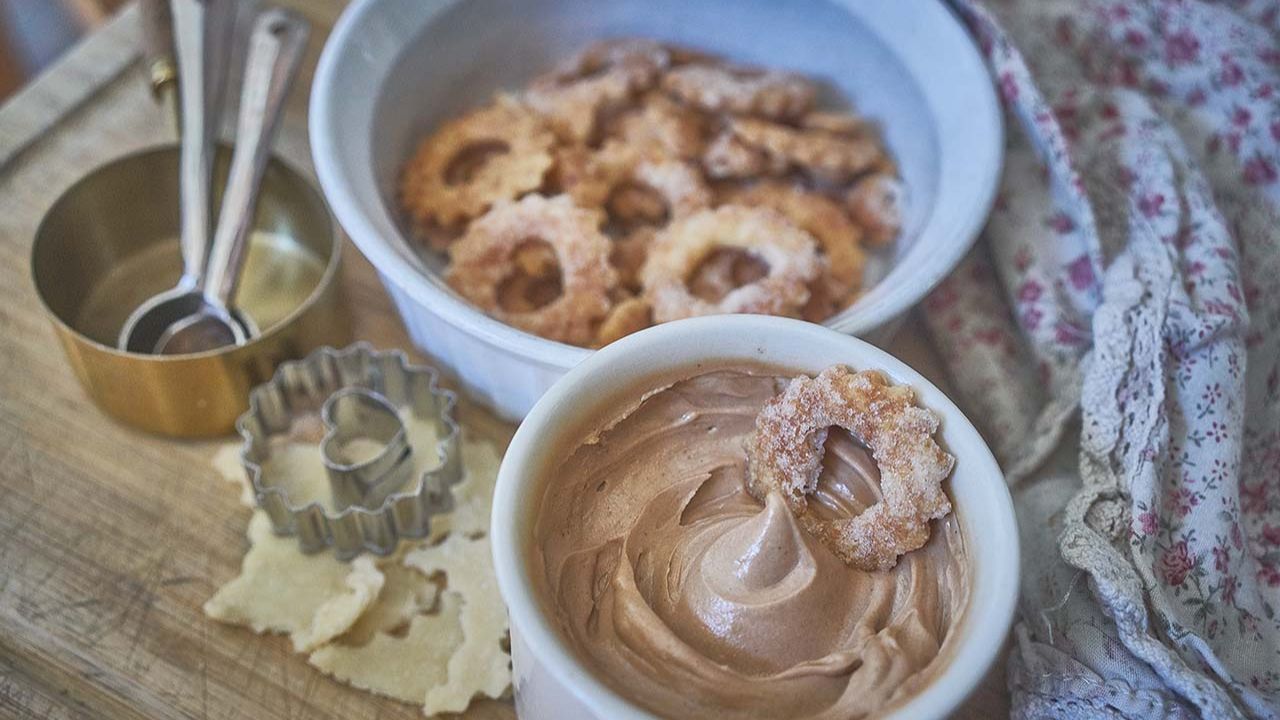
How to Make Herbal Ghee with Maple Syrup
If butter is already good, why bother making herbal ghee? Because it transforms a familiar ingredient into a richer, more versatile, and magical kitchen staple. Add the seasonal gift of maple syrup, rich in minerals drawn up from the earth, and that’s when things get truly interesting.
We spend winters cooped up indoors, staying as close to the fire as possible. It’s when tinctures are strained, herbal oils are infused, and copious amounts of herbal tea is consumed. It’s also when I melt large batches of ghee, ensuring I won’t have to think about it during the busy summer gardening season.
When March hits, a bit like a train, and sap starts moving through the trees, my blood calls for movement too. Rain or shine, I stumble out into the yard in knee-deep snow, hauling buckets full of sweet goodness. My blood type turns from A to “syrup” as I drink it cold, straight from the buckets, or use it in place of hot water for my teas. As the syrup begins to accumulate, I start wondering where else I can use it. Really, I want it everywhere.
With jars of winter ghee already on hand, it eventually felt natural to try adding maple syrup. The result was sweet, rich, and wonderful, but still not quite right. That’s when I decided to infuse the maple ghee with blood-moving herbs to offset the stillness of long winter months, and in that moment, herb-infused maple ghee was born.
It’s simple to make, but the result feels surprisingly luxurious. This little jar beautifully bridges food and herbal medicine traditions. It’s practical enough for everyday use but still a bit of a special treat.
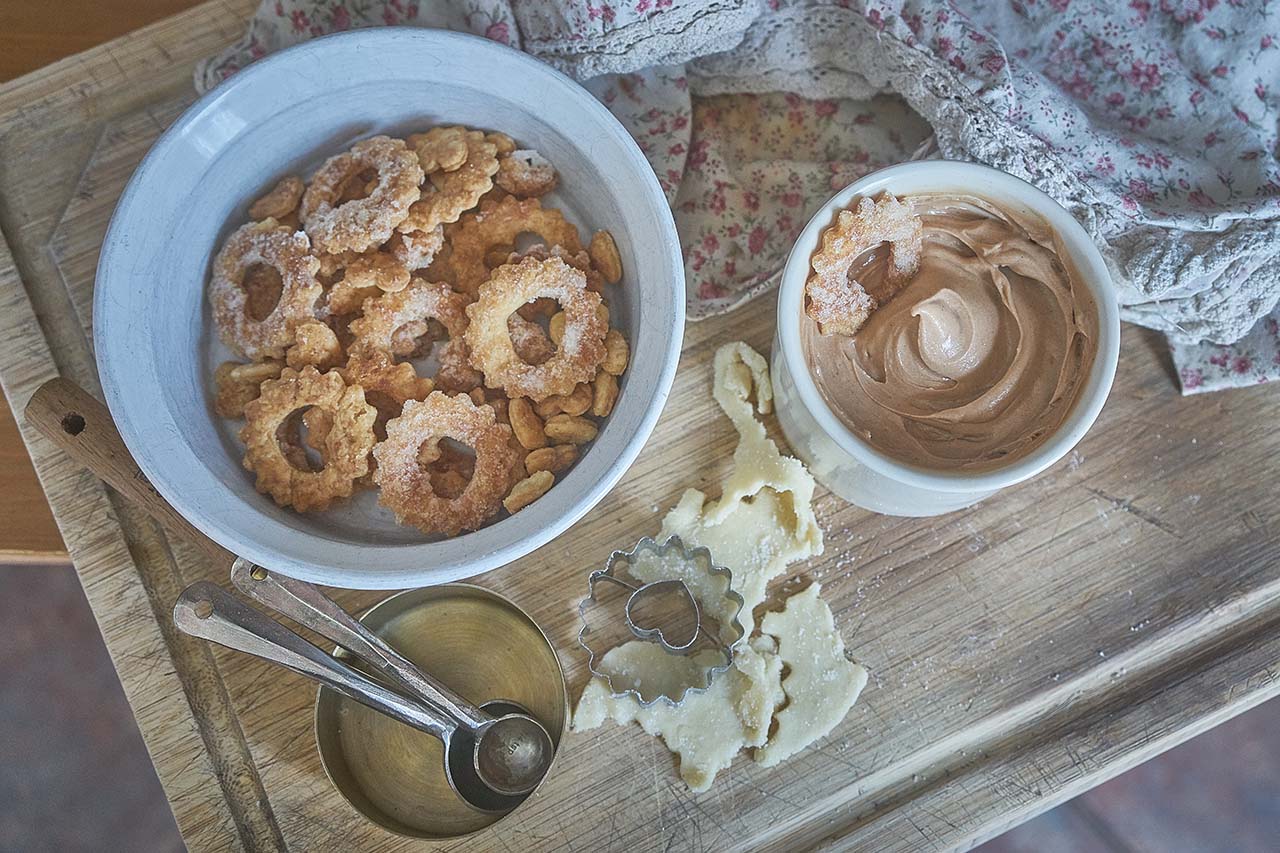
Circulation-Boosting Cacao Maple Ghee
This herbal ghee, sweetened with maple syrup, combines rich cacao, warming spices, and blood-moving herbs.The result is a cozy, gently stimulating spread, perfectly suited to the transition into spring, offering both a treat and a seasonal remedy.
What you’ll need…
- 230 g ghee
- 1½ tbsp cacao nibs
- 1½ tbsp red clover blossoms, dried
- 1½ tbsp nettle leaf, dried
- 1½ tsp cacao powder
- 1 tsp cinnamon, broken stick or chips
- 1 tsp ginger root, cut and sifted
- ½ tsp dried yellow dock root, cut and sifted (optional)
- 3 cardamom pods, lightly crushed
- 2 whole cloves
- a pinch black pepper (optional)
- a small pinch cayenne (optional)
- 1½–2 tbsp maple syrup
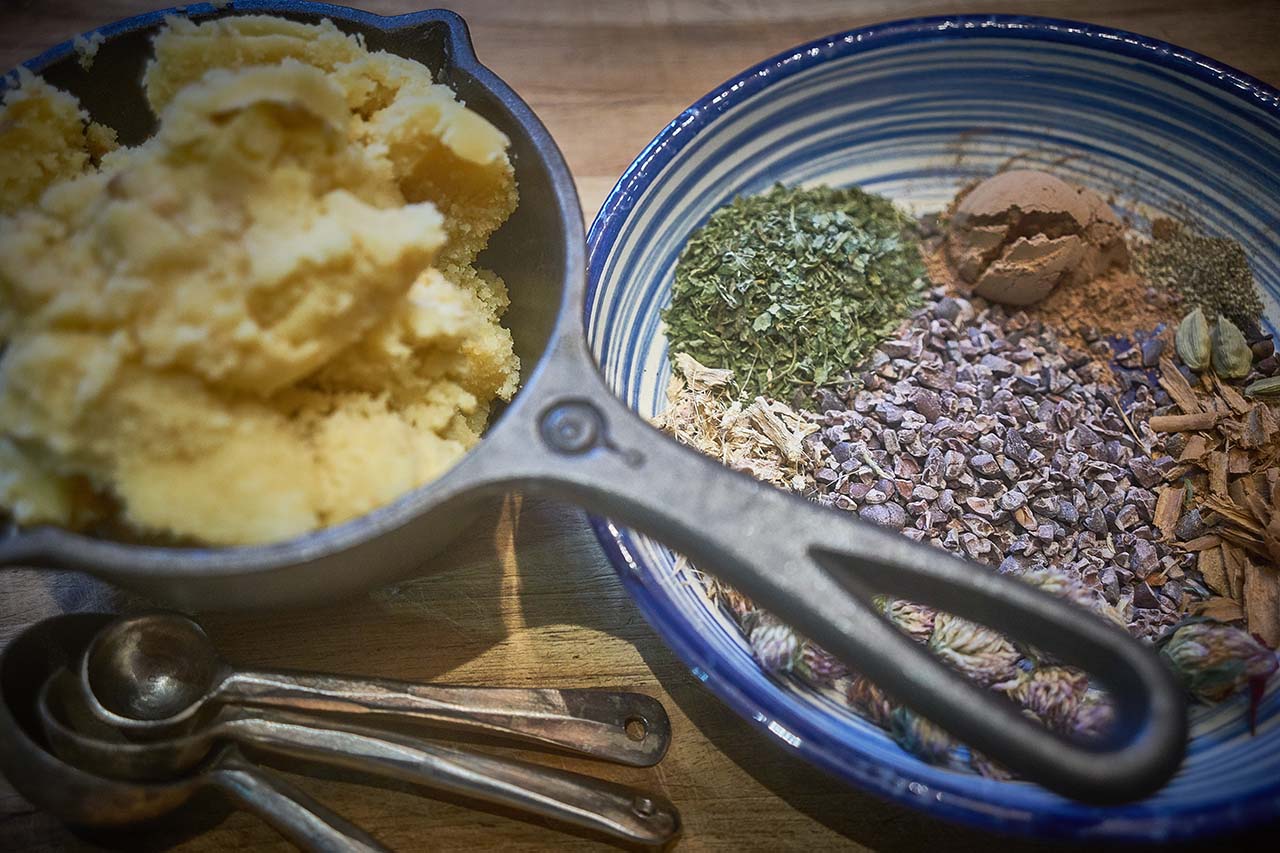
- Gently melt 230 g ghee over very low heat.
- Add herb mixtures, spices, cacao powder, and cacao nibs, and stir to combine.
- Maintain very low heat for 30–45 minutes, allowing for a slow infusion. I like to do this on the warming center of the electric range or the back section of the wood stove, where the heat stays gentle and steady, keeping the ghee warm without bubbling.
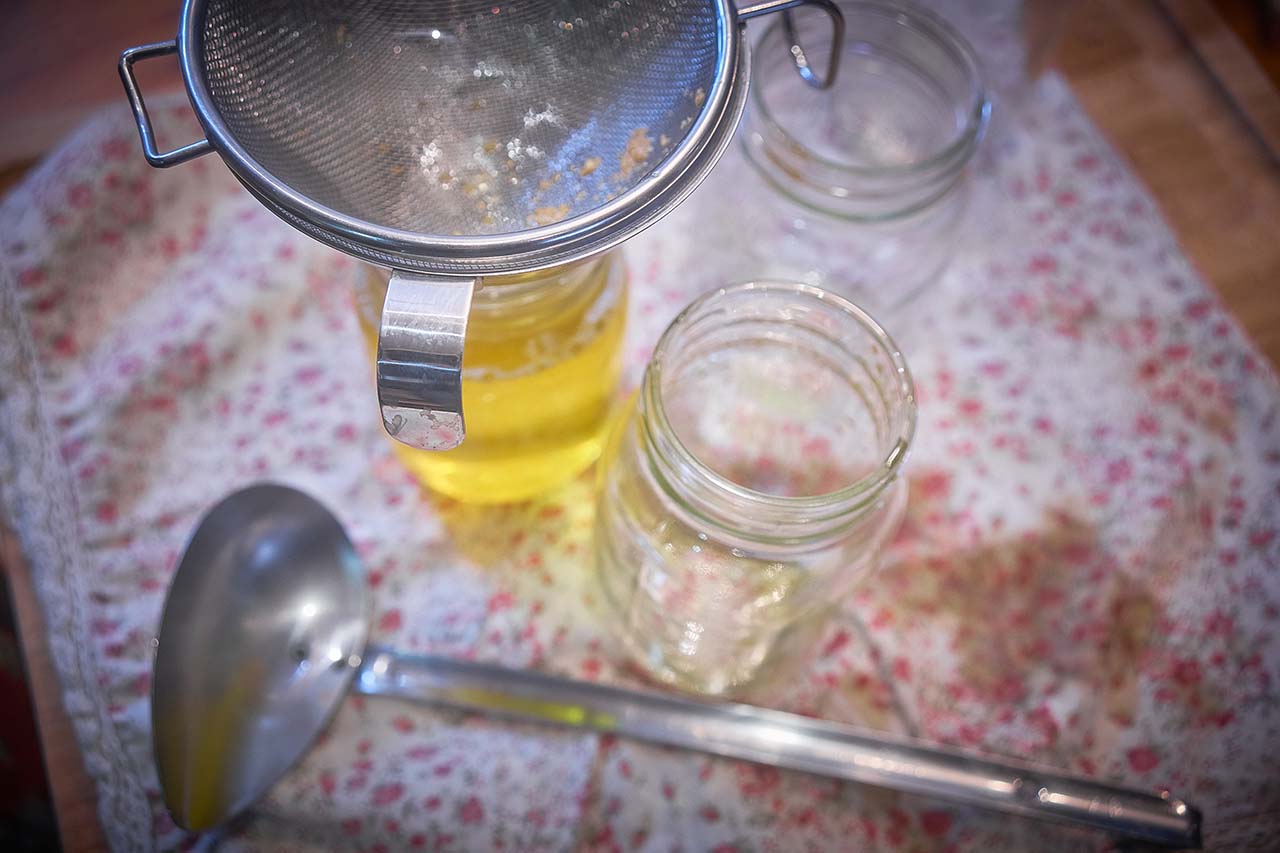
- Strain through a fine mesh strainer or cheesecloth into a clean jar.
- Let the flavored ghee cool until warm but not hot, then slowly stir in the maple syrup until fully incorporated.
- Let cool completely and store in a cool, dark place.
Notes
- Using both cacao powder and cacao nibs creates a deeper, rounder chocolate flavor.
- Yellow dock is optional, but if included, it adds a more functional, spring-focused edge, with a slightly more earthy and bitter taste.
Optional: Whipped Version
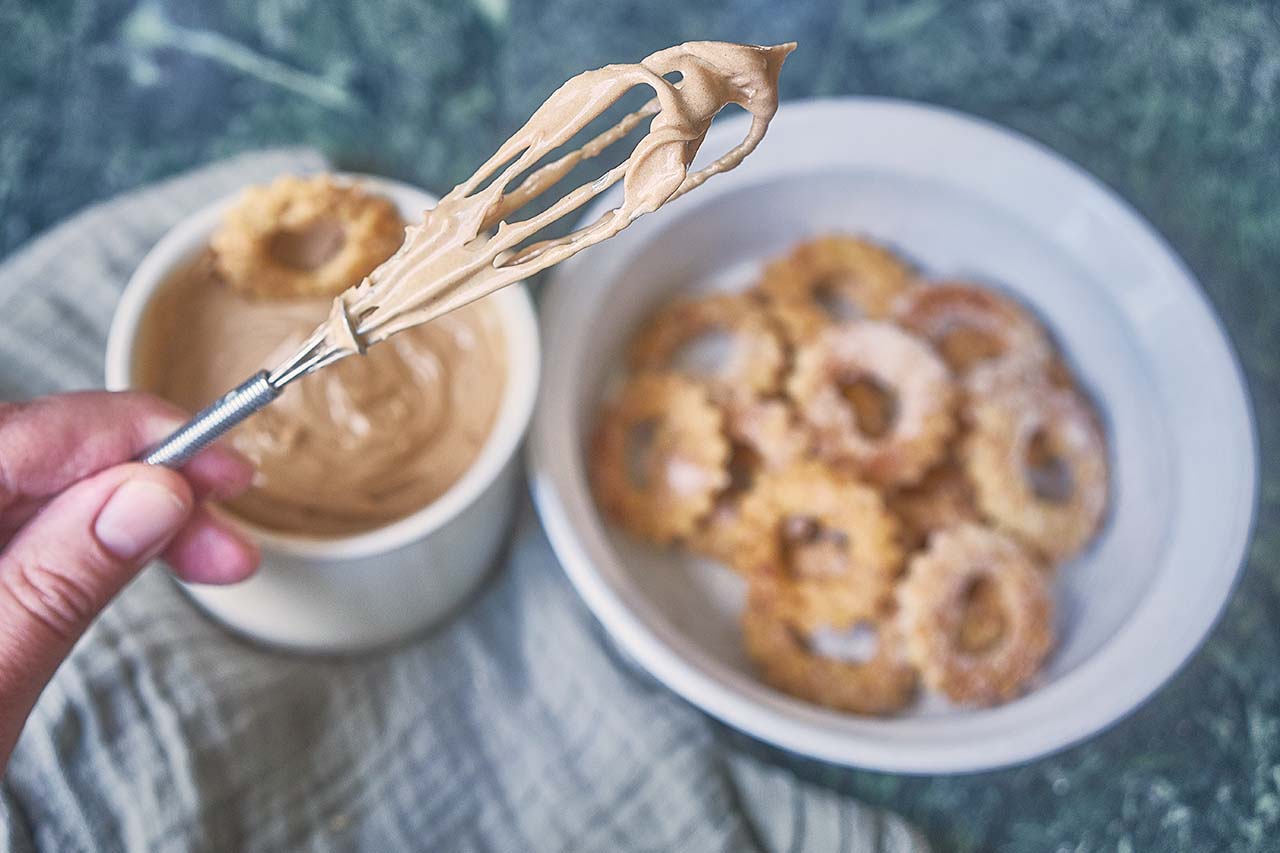
For a lighter, more spreadable texture, this ghee can be whipped into a soft, airy spread, similar to an herbal chocolate butter. It lands right in that treat-like “healthy Nutella meets electuary” territory.
- Once the ghee has cooled and begun to thicken but is still soft, whip it using a hand mixer or whisk for 2 to 5 minutes, until lighter in color and texture. Note: To test the ghee’s temperature, gently tilt the jar. It’s ready to whip when the surface is still slightly jiggly but does not pour out. If it remains completely solid, it’s too cold. If it flows easily, it’s still too warm.
- Transfer to a jar and let it set fully.
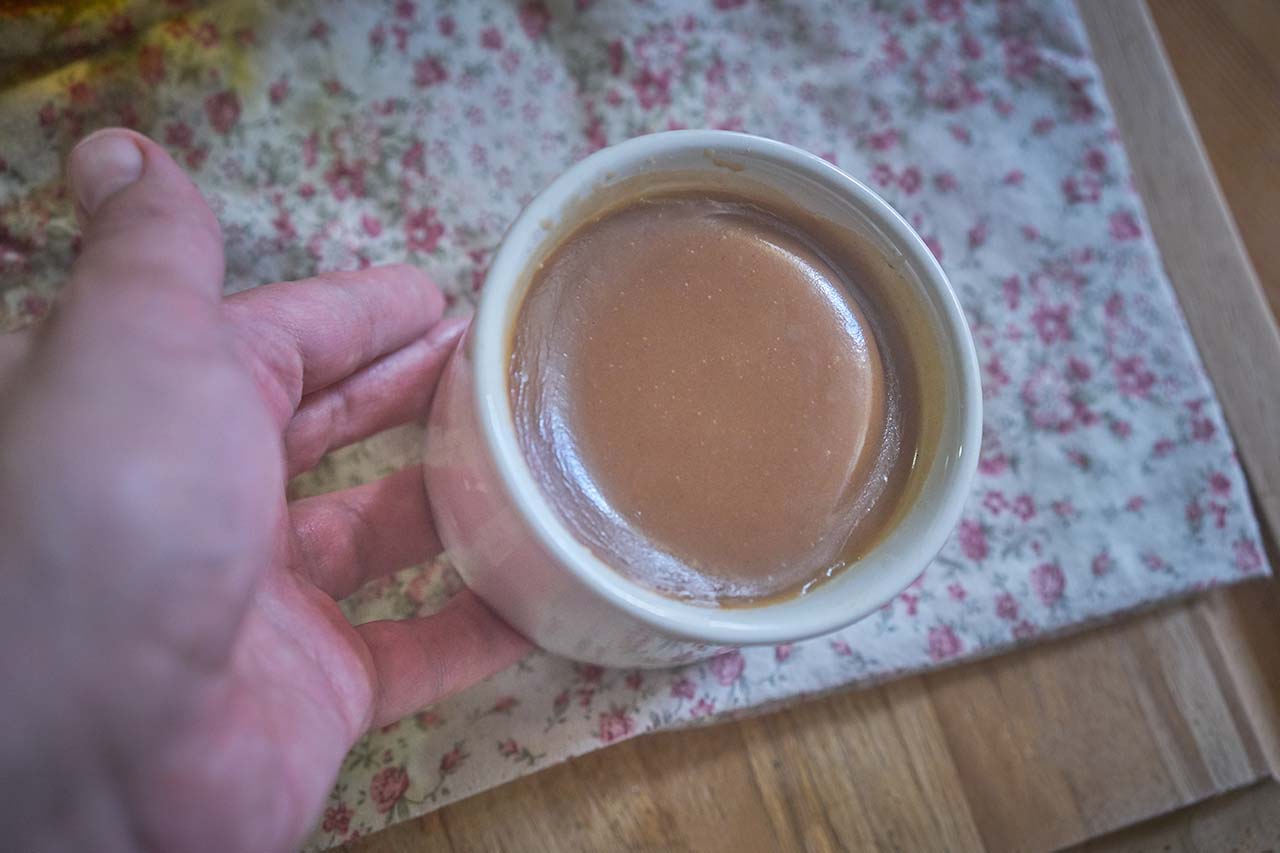
Tips
- If it’s too firm, warm it slightly and try again.
- If it’s too soft, chill briefly, then whip.
- Whipping works best if the maple syrup is kept in the 1½–2 tablespoon range.
Playing Around with Seasonal Blends
Once the base method is mastered, this ghee becomes a seasonal playground. The additions to the jar can vary with what wild herbs are growing, what's available, and what the body seems to be asking for, whether due to the calendar season or a personal season of life.
For spring, my favorite herb-infused ghee is a "Spring Renewal" blend. Bright, green, and slightly floral, this blend evokes the early spring feeling of waking up and getting things moving, with violets adding a soft, cooling, and soothing note.
Spring Renewal Blend
- 2 tsp red clover blossoms, dried
- 1½ tsp dandelion leaf, dried
- 1½ tsp nettle leaf, dried
- 1–1½ tsp violet flowers, dried
- ¾ tsp lemon balm, dried
- ¾ tsp calendula petals, dried
- scant ½ tsp ginger root, cut and sifted
How to Make Ghee from Scratch
Store-bought ghee works perfectly fine for most recipes. However, if you have butter in the fridge and a bit of time on hand, making it from scratch is simple, satisfying, and a great way to use up leftover pieces, all while filling your kitchen with a warm, caramel-like aroma.
What you’ll need…
- Unsalted butter, any amount (grass-fed if possible)
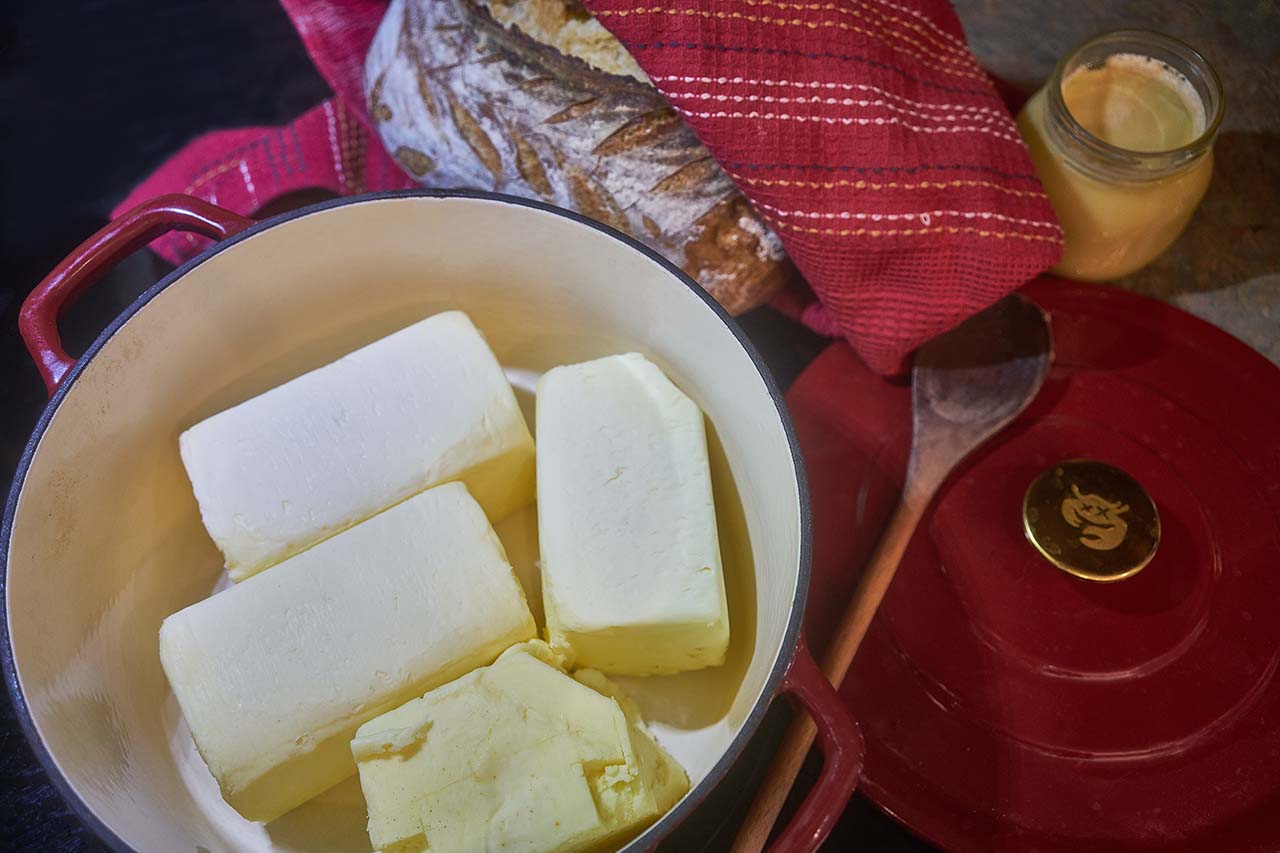
- Place the butter in a heavy-bottomed saucepan and melt it over medium-low heat. Use a pan at least 3 to 4 times larger than the amount of butter, as the initial foaming can sometimes get quite vigorous.
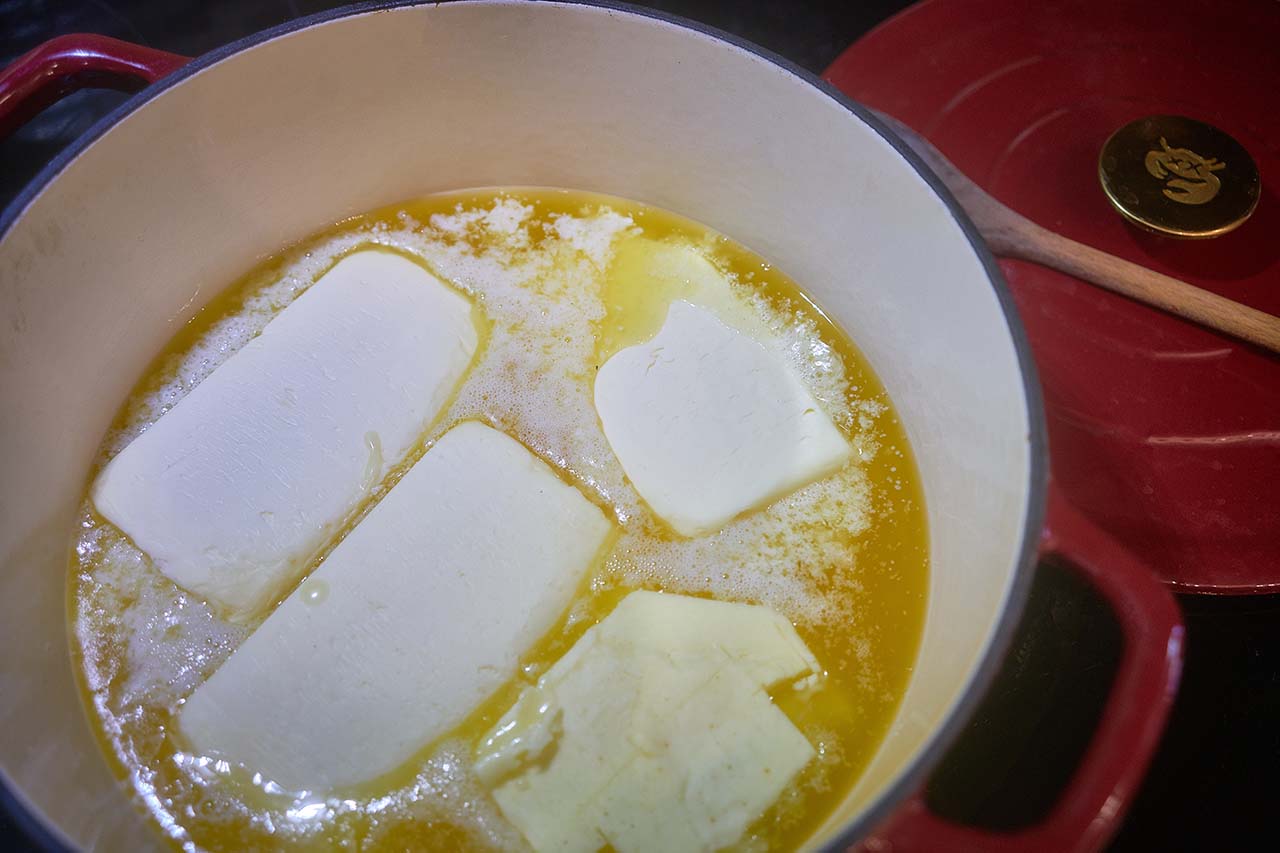
- Once melted, let it gently simmer, stirring occasionally. The butter will begin to separate into layers: a light-yellow foam on top that is difficult to move aside with a spoon, and opaque golden fat in the middle. At this stage, the foam becomes heavy and almost sticky, closing right back on itself when you try to move it aside.
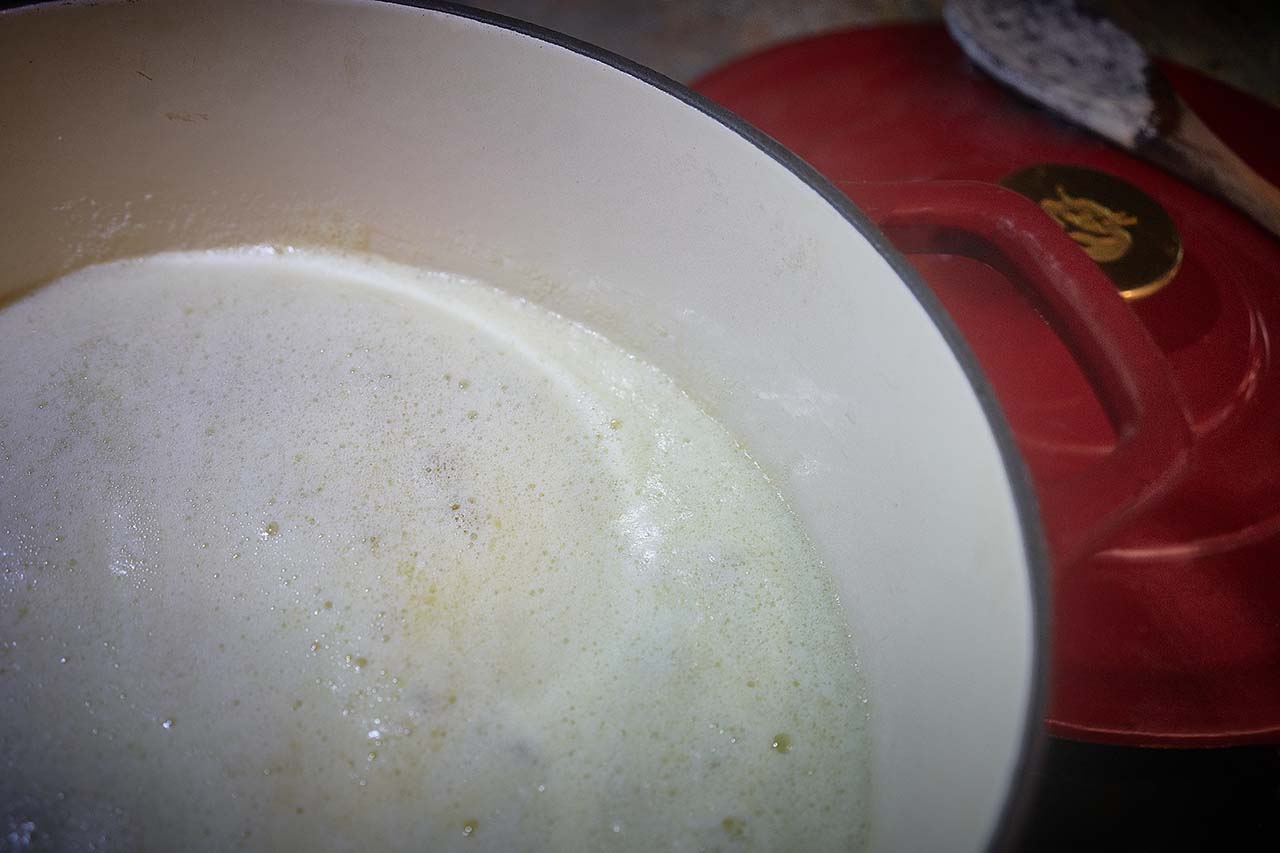
- Allow it to cook slowly. As it progresses, both the appearance and sound will change. The bubbling will shift from muffled and quiet, as thick foam covers the bubbling liquid below, to a gentle hissing sound more like frying. The foam will begin to compress and decrease in amount, gradually turning into flakes. These flakes will slowly settle to the bottom of the pot. Be patient, as the last flakes can be stubborn.
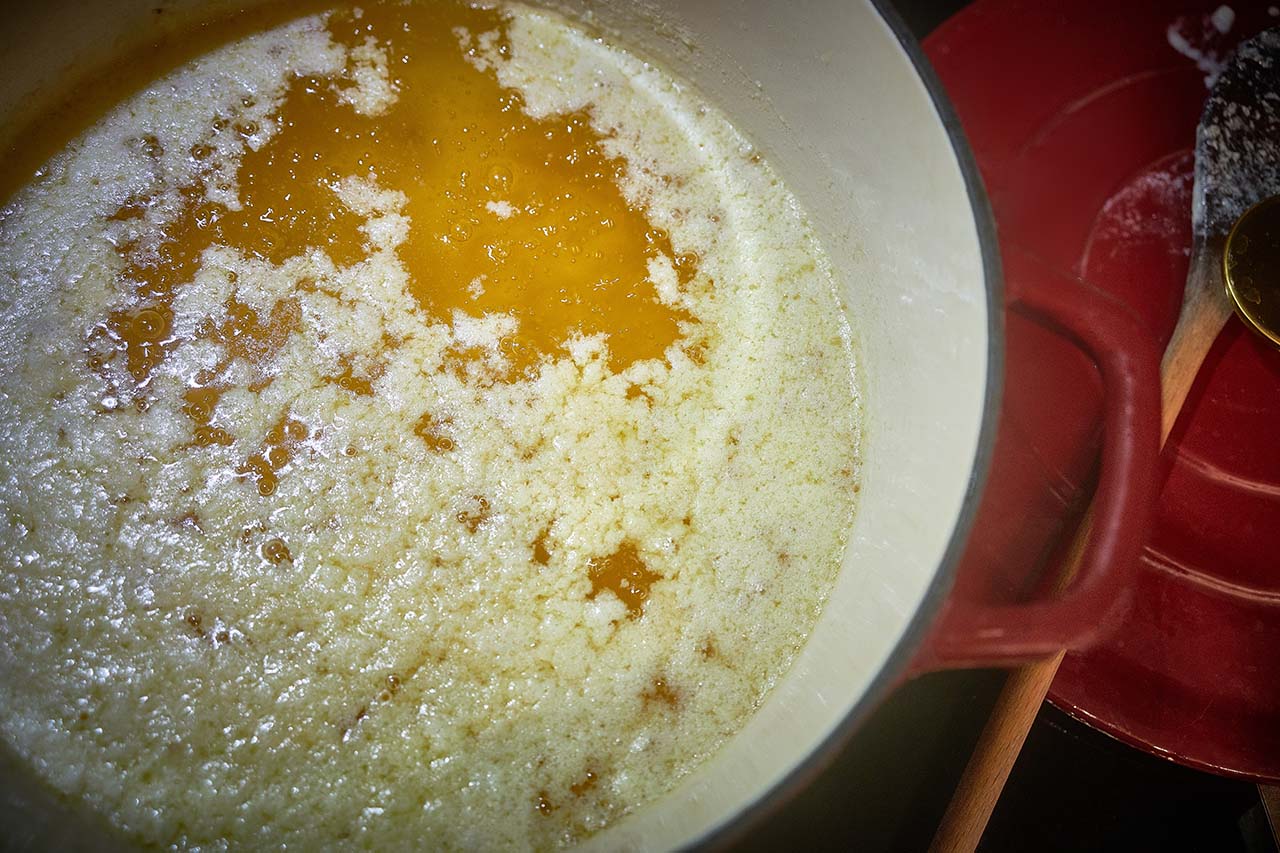
- When most of the flakes are gone, new bubbles will appear, larger and lighter, floating sparsely at the surface. You will be able to see right through them, as they mostly disappear with gentle stirring. By this point, the fat will be clear and richly golden, and the milk solids at the bottom will have turned a light brown color. This stage, from thick foam to flakes to light surface bubbles, can take time, sometimes up to 90 minutes, depending on the amount, as well as the butter’s quality and brand.
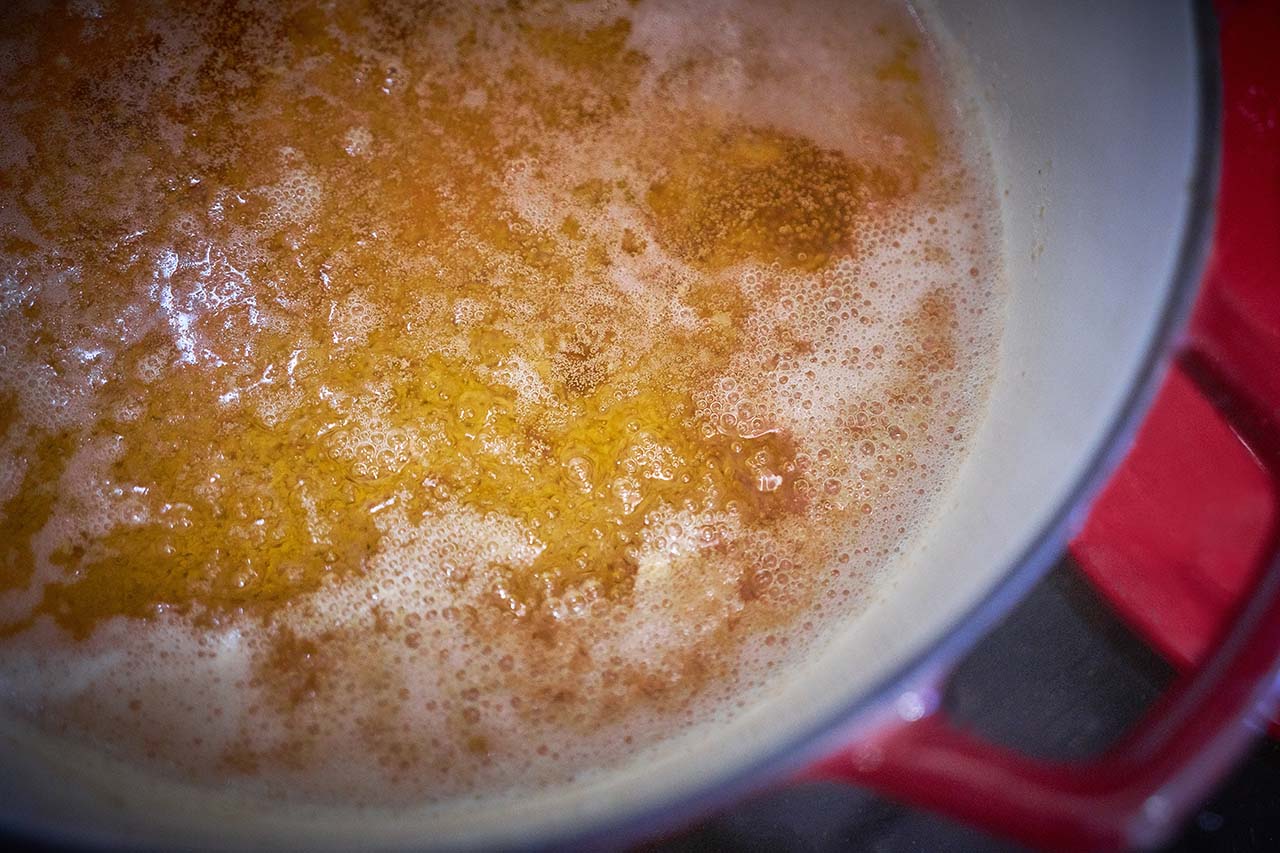
- Watch closely toward the end. When the fat turns clear and the solids at the bottom are fully visible, with no flakes or thick foam left on the surface, the ghee is ready. You’re looking for a warm, caramel-like aroma and a clear golden color. Avoid letting the solids burn.
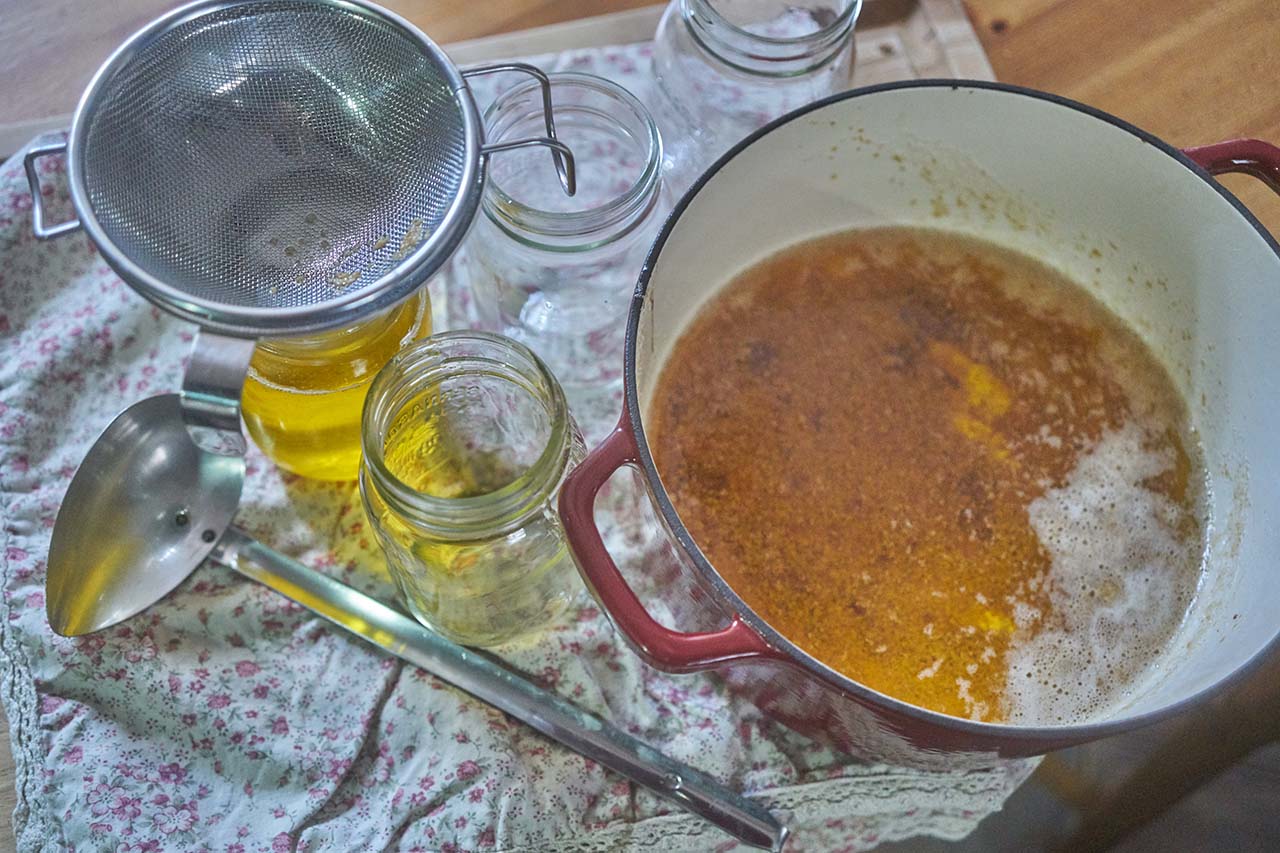
- Remove from heat and let it cool slightly.
- Strain through a fine mesh or cheesecloth into a clean jar, leaving the browned milk solids behind.
Notes
- Properly made ghee is clear, golden, and shelf-stable, with all water and milk solids removed.
- The slower and gentler the process, the better the flavor.
Benefits of the Circulation-Boosting Herbal Ghee
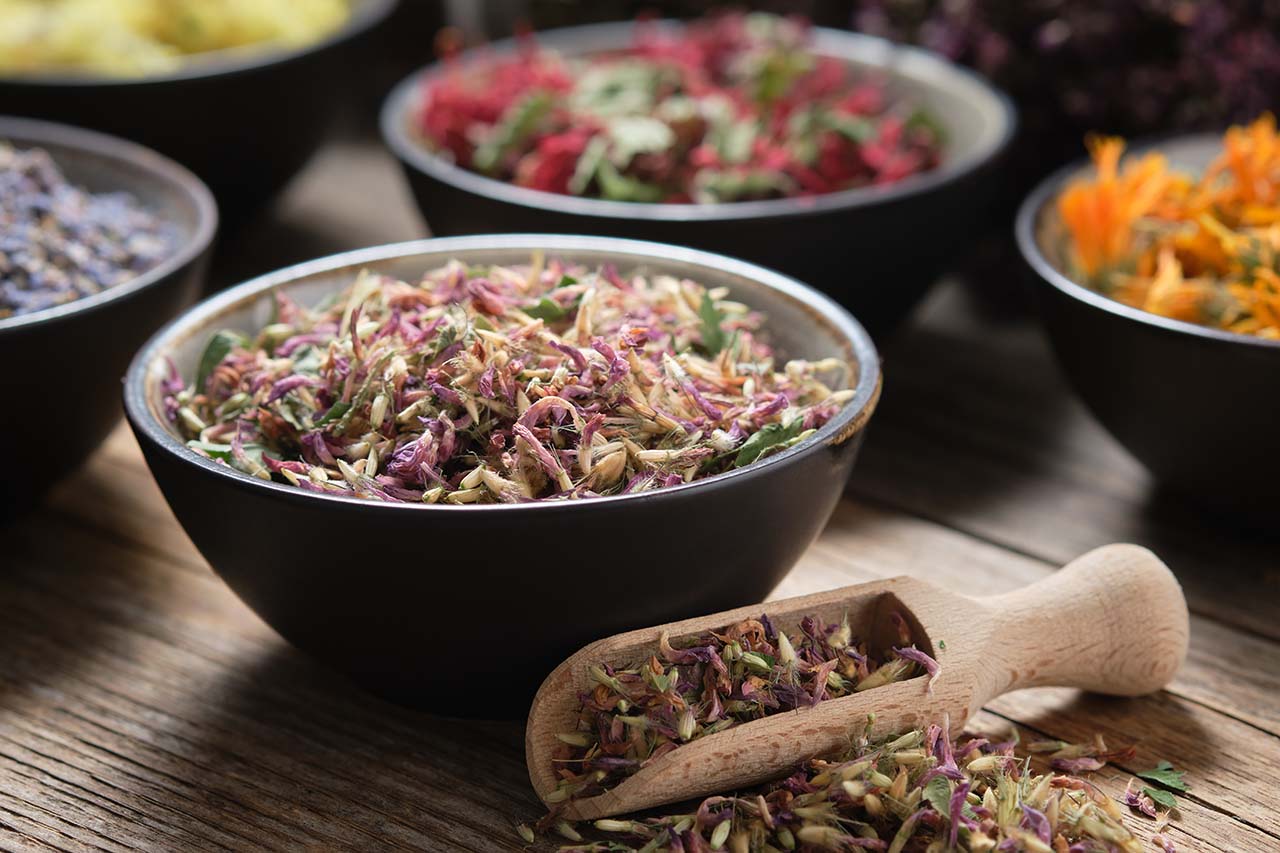
In this main blend, nettle and red clover bring a mineral-rich, gently nourishing quality that supports the blood, while warming spices like ginger, cinnamon, cardamom, and cloves improve circulation after long, still winter months. Cacao contributes its own layer, with mood-lifting compounds and a deep, grounding richness that makes the whole mixture feel more like a treat than a remedy. A small pinch of cayenne can be added for extra warmth and a bit more kick. If using yellow dock, it contributes a more pronounced earthy note along with traditional support for blood-building and spring renewal.
Together, this herbal ghee creates a balance of warmth, nourishment, and gentle movement, carried in a form that is easy to enjoy and return to each day.
Ghee Benefits
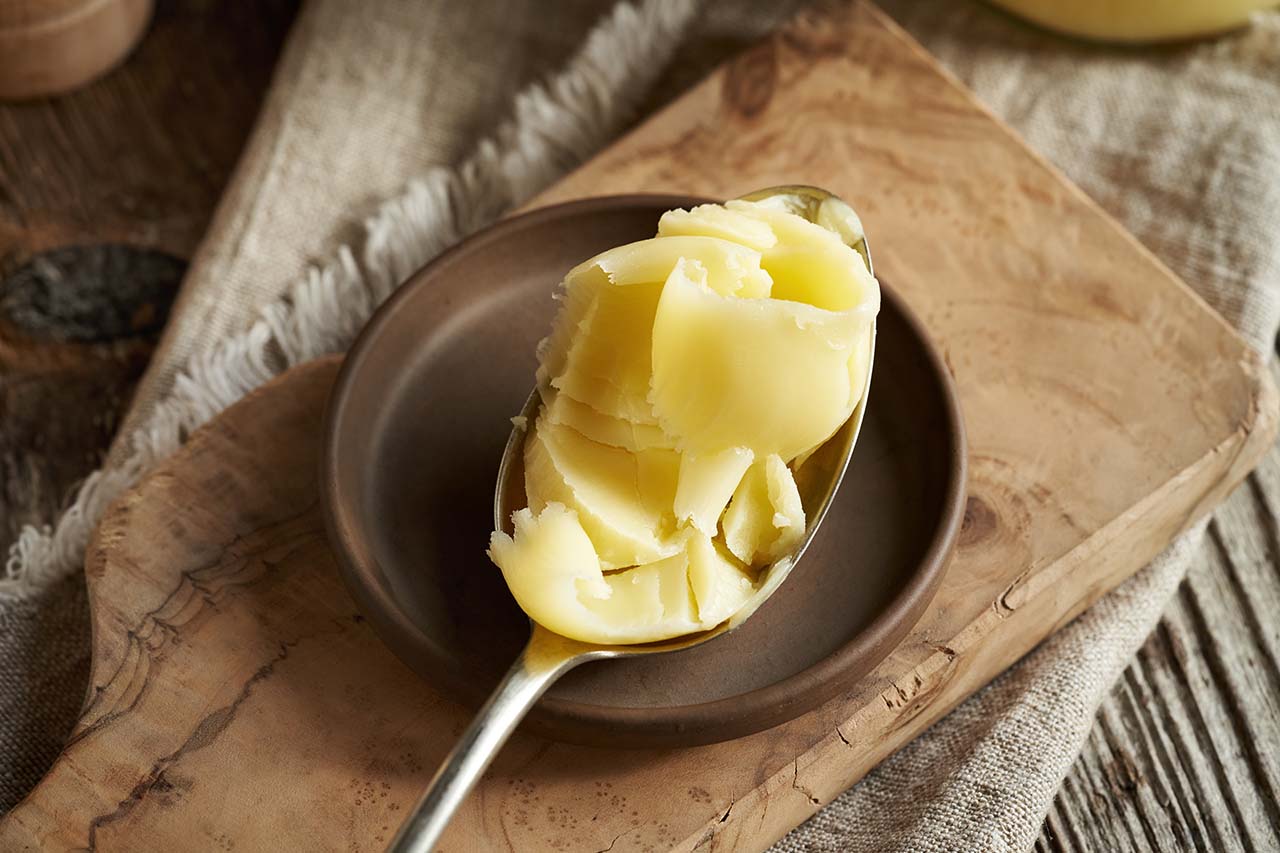
Ghee is valued not only for its rich flavor and long shelf life, but also for the nourishment it provides. With the milk solids and water removed, it becomes a stable, concentrated fat that still retains small amounts of fat-soluble vitamins like A, D, E, and K, along with beneficial fatty acids such as butyrate. It’s often better for gut health for those with dairy sensitivities, and it performs well at higher cooking temperatures.
Like any other oil, it also serves as an effective delivery system, absorbing and holding onto the properties of herbs and spices, helping to deliver them into the body in a simple, enjoyable way. In that sense, ghee becomes more than just a cooking fat; it transforms into a nourishing base for whatever qualities you choose to infuse into it.
Maple Syrup Benefits
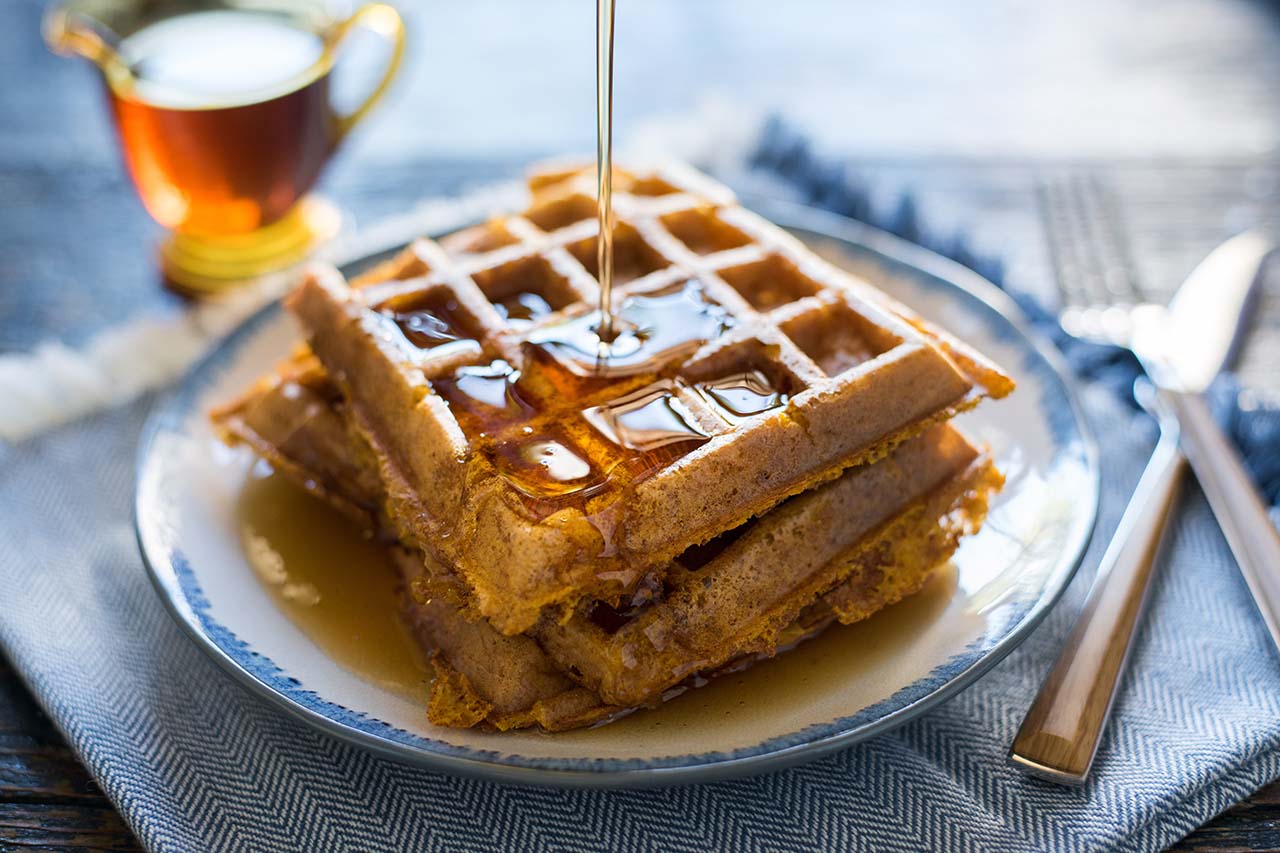
Maple syrup is more than just a sweetener. It naturally contains minerals such as manganese, zinc, calcium, and potassium, along with trace antioxidants. Unlike highly refined sugars, it brings both flavor and substance, with a deep, earthy sweetness that feels grounding rather than sharp. Maple syrup is a gentle way to make stronger or more bitter remedies more pleasant and easier to take.
Here are a few frequently asked questions about herbal ghee…
What is herb-infused maple ghee and how is it used?
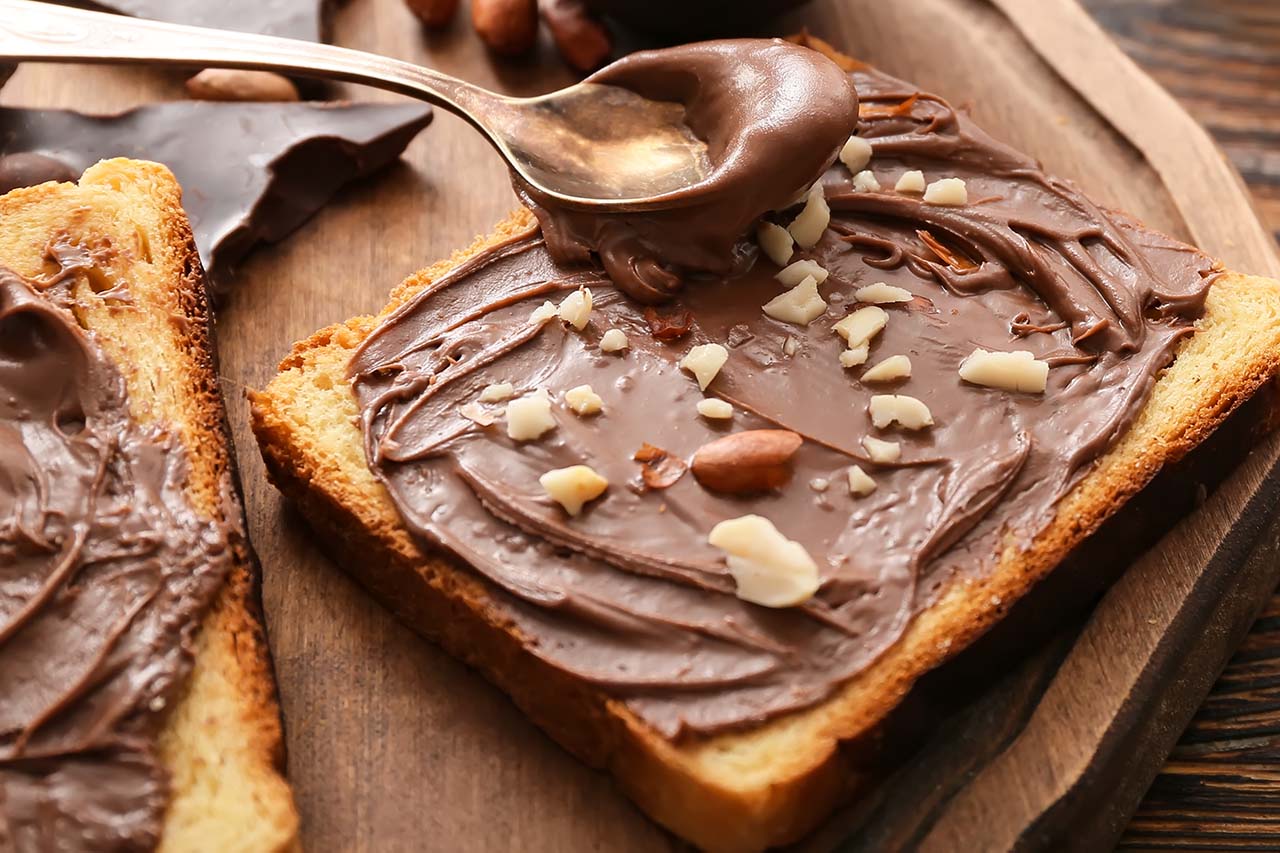
An herb-infused maple ghee sits somewhere between a pantry staple and a treat. It draws inspiration from electuaries, those old-world herbal pastes made with honey to make remedies more enjoyable, and from modern favorites like “healthy Nutella,” where nourishment meets indulgence. The result is something you can spread, stir, drizzle, or sneak by the spoonful.
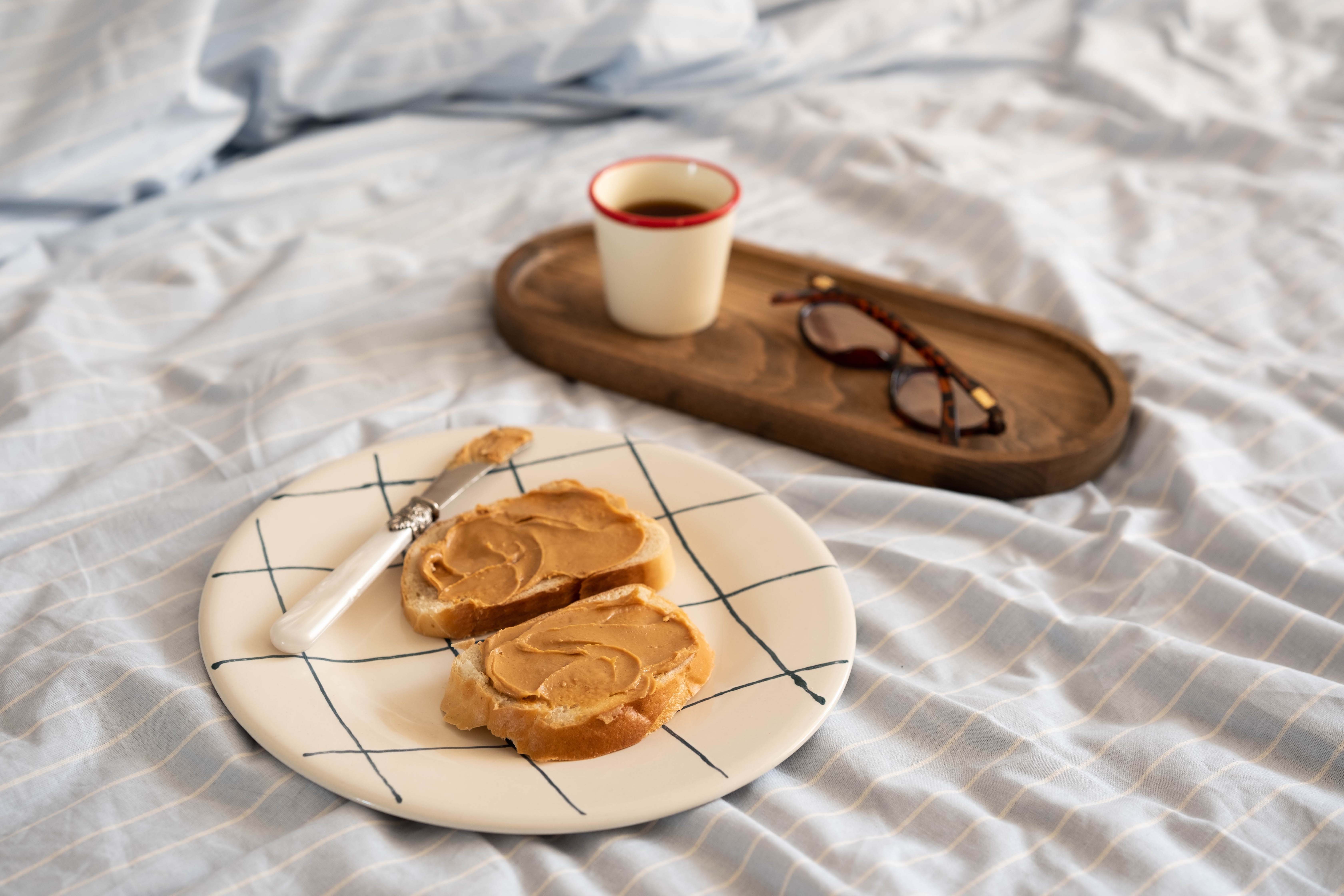
It’s also practical and versatile. A spoonful can turn sourdough toast into something special. Swirl it into oatmeal, yogurt, or smoothies, melt it over roasted vegetables, and use it to add depth to baked goods. Spread it on waffles and pancakes, stir it into coffee or milk (golden milk, anyone?), or simply enjoy it by the spoonful. Depending on the herbs you choose, it can be calming, energizing, or simply delicious.
How long does herb-infused maple ghee keep and how should it be stored?
It can be kept at room temperature for a few weeks, as long as it’s stored in a clean, sealed jar and kept away from heat and direct sunlight. For longer storage, keep it in the fridge, where it will last for several months. If stored in the fridge, it will firm up but soften again at room temperature. Always use a clean spoon when scooping to help extend its shelf life.
Should I use whole herbs or powders for infusing ghee?
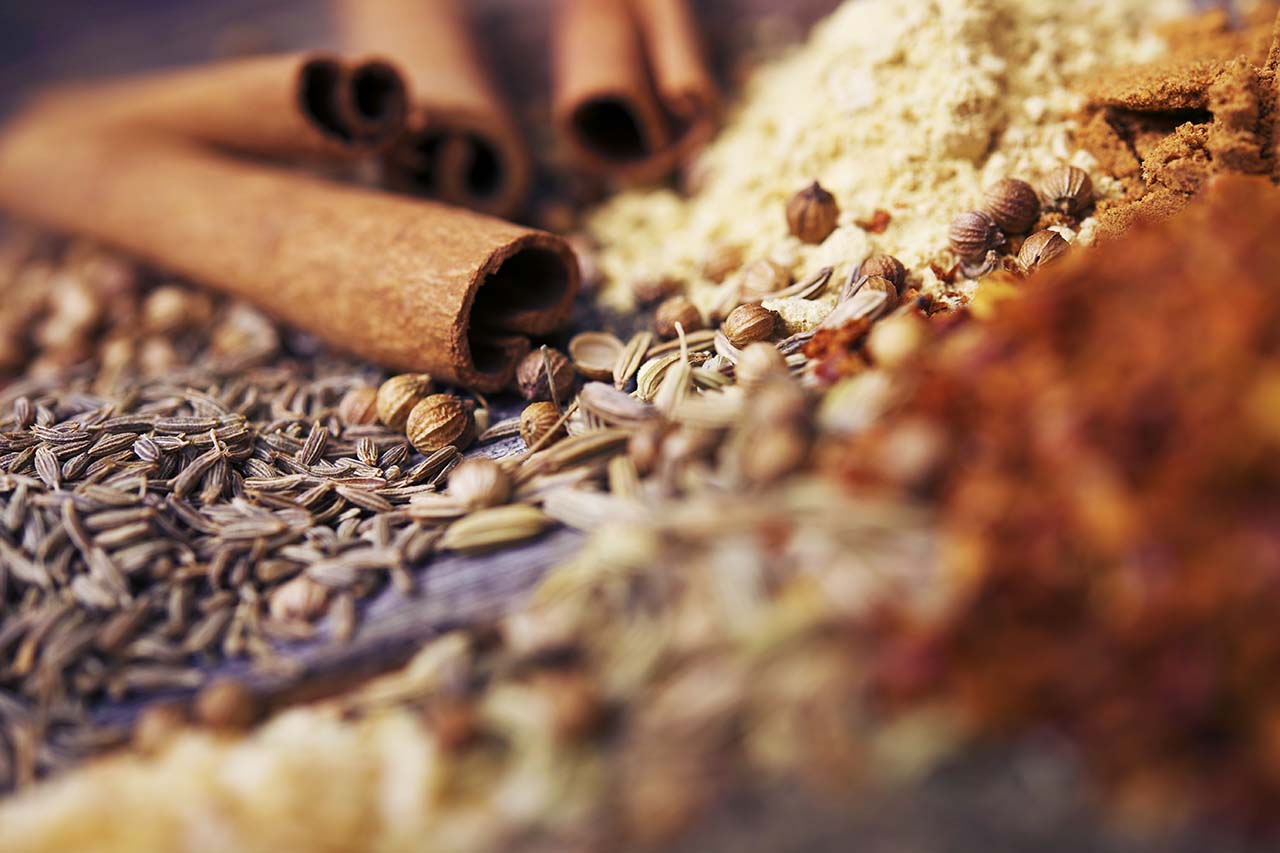
Whenever possible, use whole or coarsely crushed herbs and spices rather than powders. They are much easier to strain out and tend to give a cleaner, clearer ghee. Powders can be used, but they often make straining more difficult and may leave some sediment behind, unless you’re aiming for a specific color or signature feature, such as a chocolate-style spread with cacao or a golden blend with turmeric.
Will the maple syrup separate from the herb-infused ghee?
For best texture, limit maple syrup to 1½–2 tablespoons per 230 g of ghee. Add it once the ghee has cooled to a warm, not hot, temperature and stir it in slowly to help it incorporate. Using more can make the ghee softer and may lead to slight separation over time. If that happens, simply stir or whisk it back together.
Can I make herbal ghee blends with other flavors?
Absolutely! This is where your creativity can shine... Herbal ghee has deep roots in traditional Ayurvedic methods, and many Ayurvedic recipes suggest complementary flavors as a base. You might try golden milk ghee for anti-inflammatory support, or lemon-thyme infused ghee, or rosemary garlic ghee for a more savory flavor.
My favorite combo to start with is the aromatic herbed and spiced ghee in this blog post. I’ve included two more herbal blends that you may explore here:
Summer Cooling Blend
Fresh, herbal, and lightly cooling, this blend brings a different side of summer, one that cuts through heat and heaviness while still feeling aromatic and rounded. It works well in the height of the season or whenever things start to feel a little too warm and sluggish.
- 1½ tsp peppermint or spearmint, dried
- 1½ tsp lemon balm, dried
- 1½ tsp rose petals, dried
- ¾ tsp fennel seeds
- ¾ tsp coriander seeds
Sensual Blend
Warm, gently floral, and a little indulgent, this blend leans into slower moments and softer edges. It pairs especially well with the natural sweetness of maple and works nicely when you want something that feels both grounding and a bit playful, drawing on the kind of herbal sensuality explored in Kimberly Gallagher’s Aphrodisiac.
- 1½ tsp damiana leaf, dried
- 1 tsp cacao powder
- 1 tsp dried rose petals, dried
- ½ tsp cinnamon, broken stick or chips
- 1 small piece vanilla bean
- 2 cardamom pods
- a pinch nutmeg powder
Ready to explore the world of herbal aphrodisiacs?
Discover the herbs, traditions, and recipes that awaken the senses and kindle connection in Kimberly Gallagher’s, Aphrodisiac: The Herbal Path to Healthy Sexual Fulfillment and Vital Living. The book explores 13 herbs and dozens of recipes, rituals, and practices designed to cultivate erotic energy as a source of vitality, creativity, pleasure, and a deeper love of life.

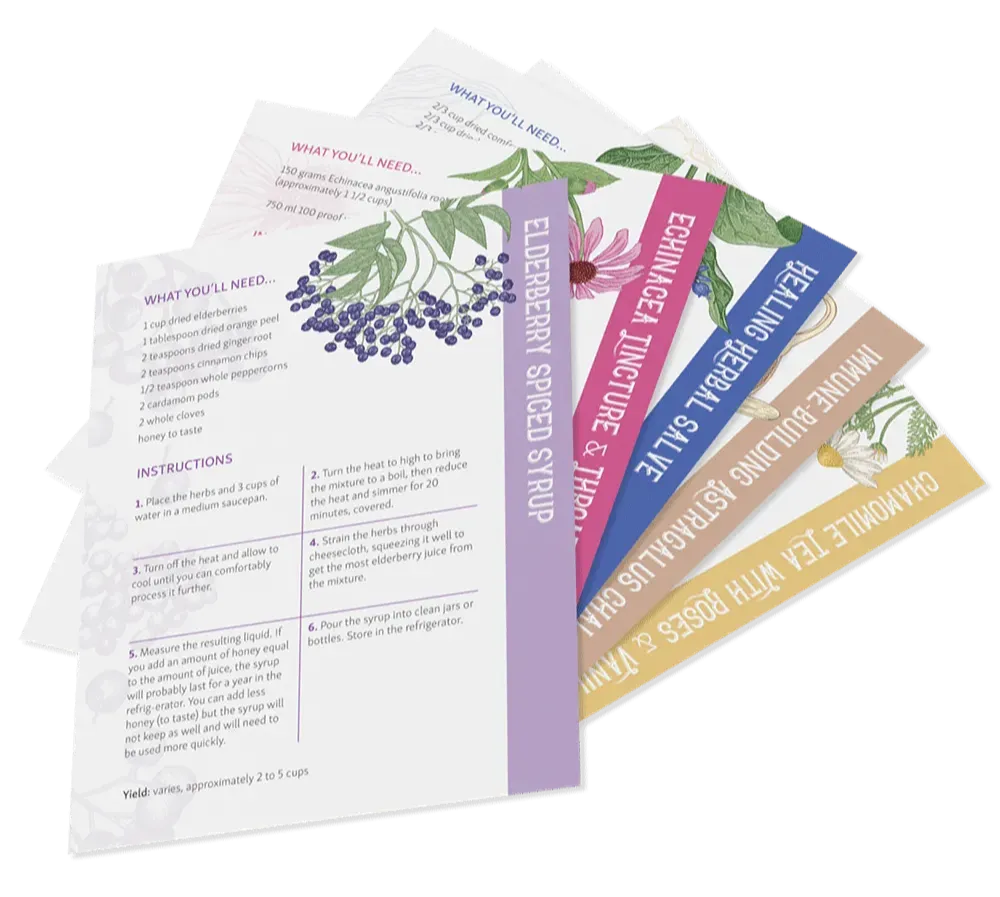
The Herbal Remedy Vault has all of our printable recipe cards...