Herb Notes: The Benefits of Hops
If you've ever sipped a cold IPA on a warm summer evening, you've already had a brush with one of herbalism's most interesting relaxing herbs. Hops (Humulus lupulus) is most famous as the plant behind craft beer's signature bitter flavor. Long before artisan breweries started putting together tasting notes about citrus undertones and fruity finishes, herbalists were treasuring hops for its ability to help people unwind, sleep, and digest.
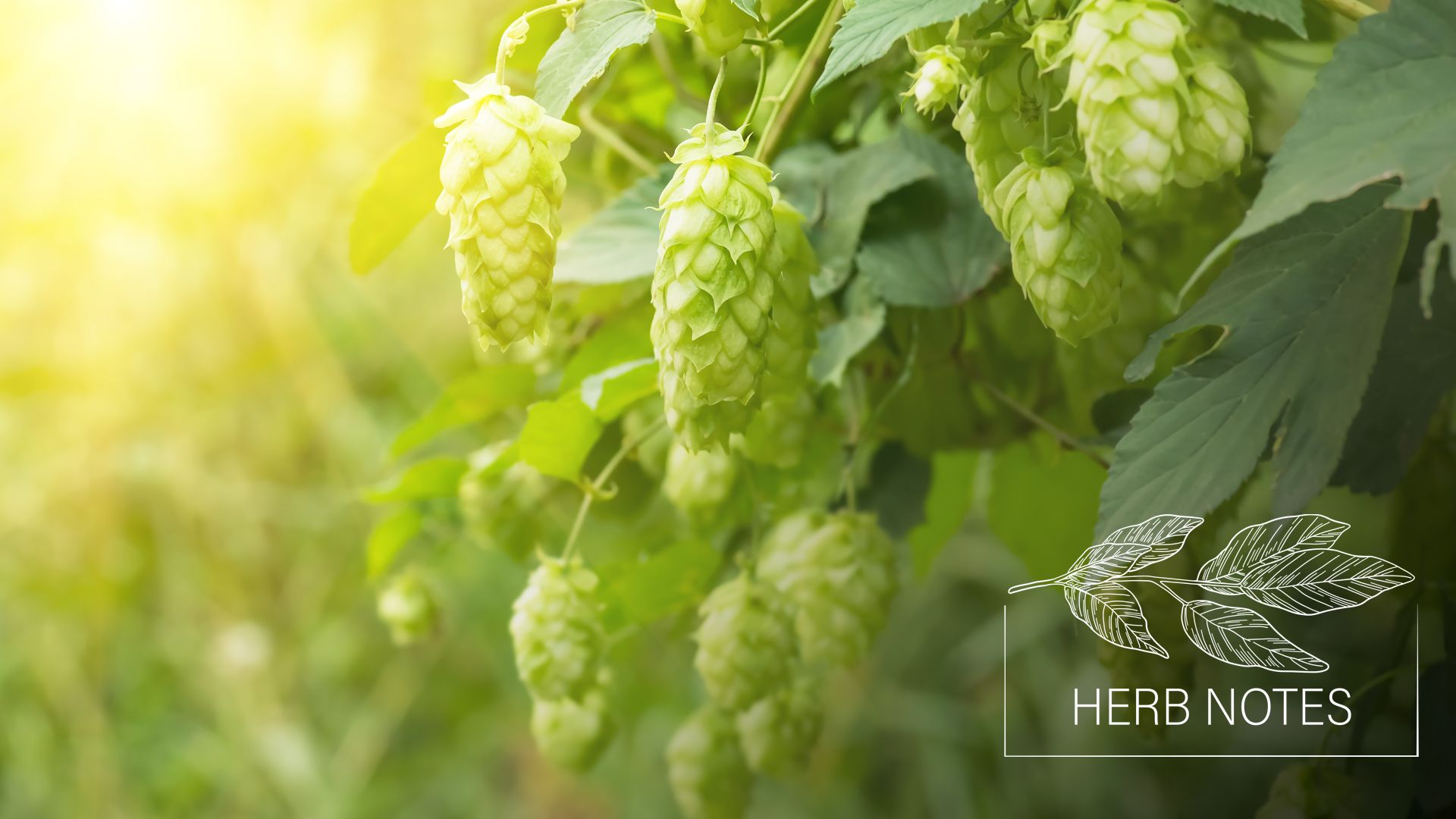
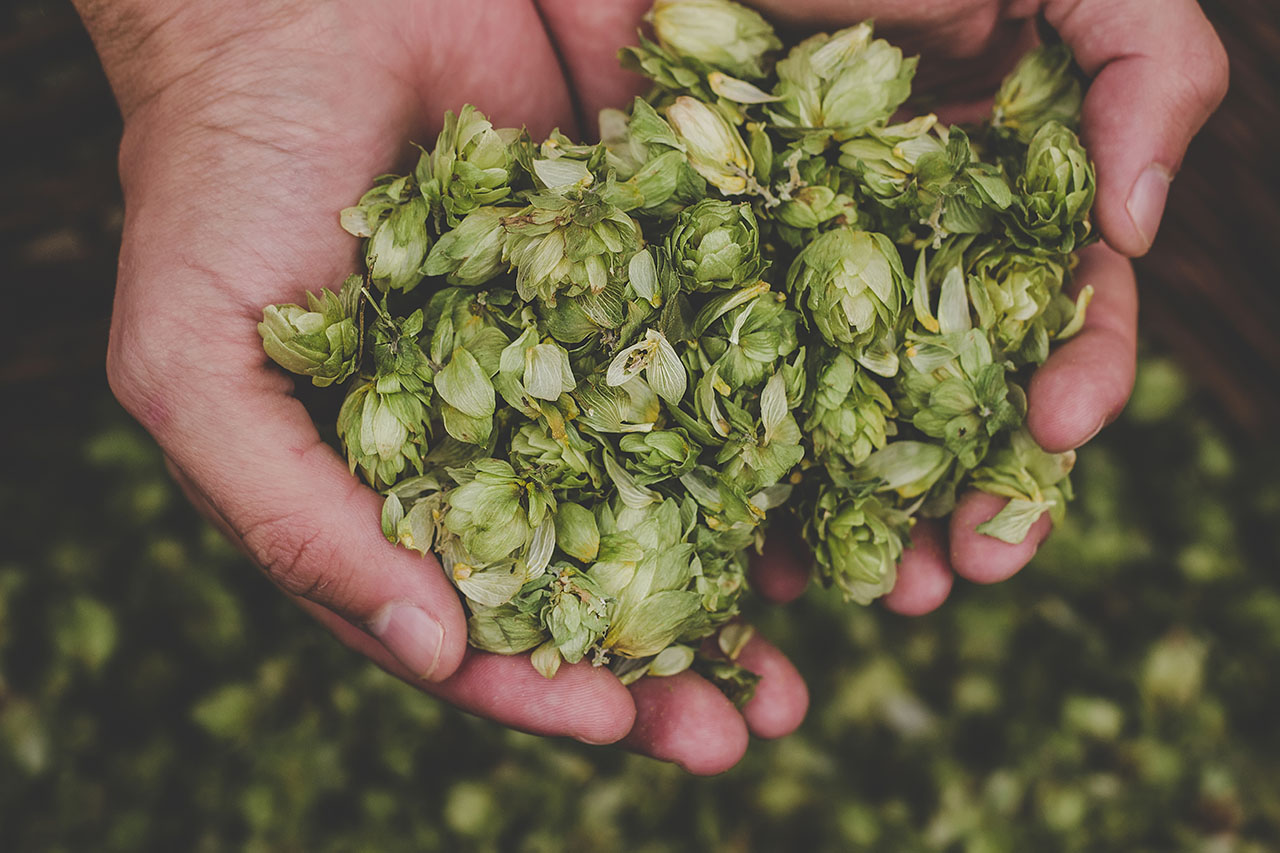
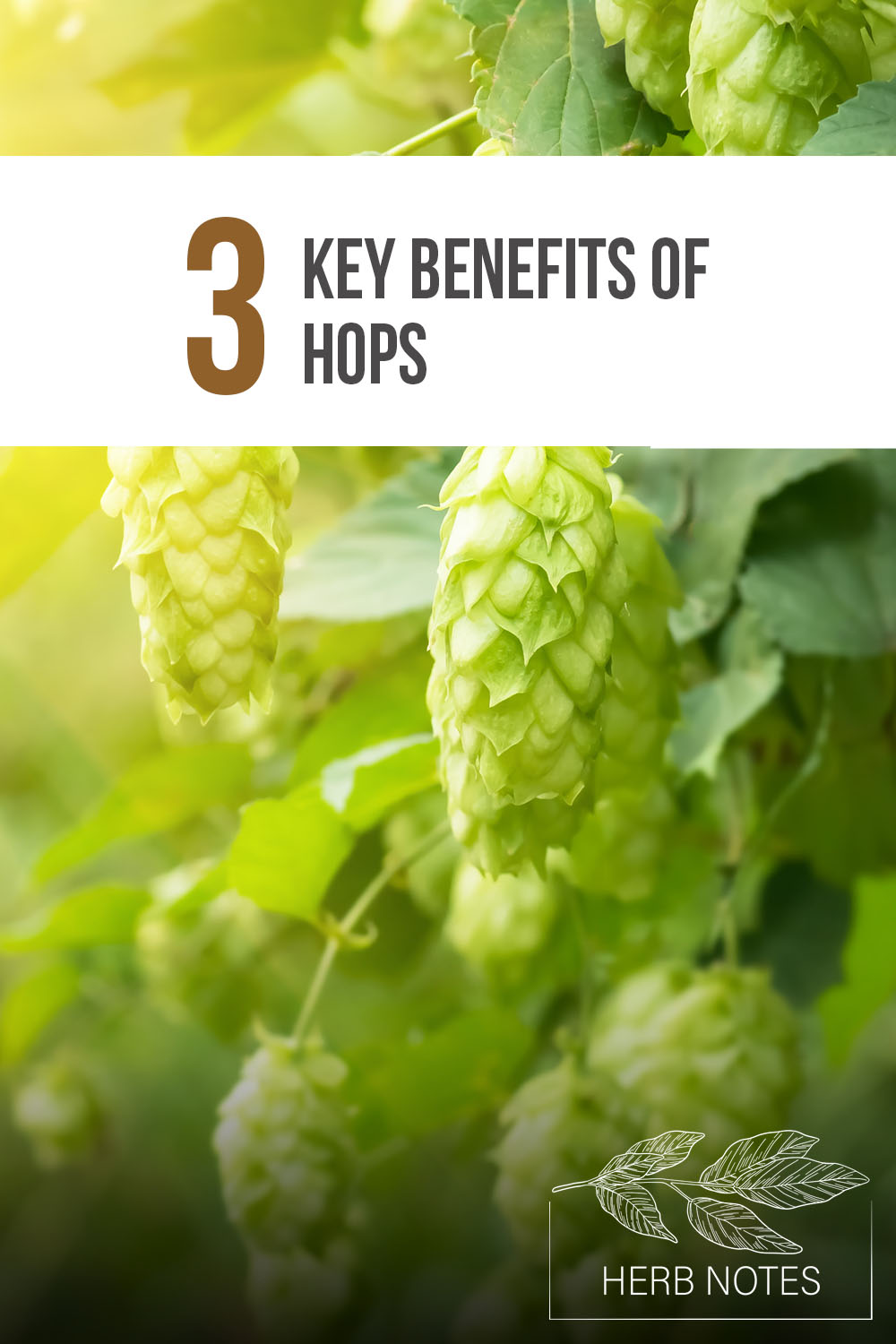
The female hop plant produces bright green, papery-light cones called strobiles. These cones are coated in a sticky yellow resin called lupulin – that's where the medicine lives. Hops' use as a traditional healing plant dates back more than a thousand years, at least to the ninth century.
Its botanical name, Humulus lupulus, is almost as fun as the plant itself. Go ahead and say it out loud. Now say it three times fast!
Let’s explore three medicinal uses of hops...
1. Hops for Relaxation and Sleep
Hops is what herbalists call a bitter relaxing nervine – an herb that calms the nervous system while also supporting digestion. It's both cooling and drying, making it especially helpful for people who feel hot and restless when they're stressed or struggling to sleep.
Herbalist Matthew Wood describes hops as particularly suited for people with intense personalities and strong emotions who find themselves spiraling into nervous exhaustion, worry, and insomnia. Herbalist Peter Holmes adds that hops fits the profile of "hot-type" insomnia – meaning those who lie awake feeling overheated and agitated are the ones most likely to benefit.
Modern research supports this traditional wisdom. In a 2018 double-blind, placebo-controlled study, healthy volunteers who took a hops extract before a stressful test showed fewer markers of stress than those who took a placebo. Another study found that after four weeks of use, a hops extract significantly decreased depression, anxiety, and stress in young adults. Even non-alcoholic beer made with hops improved nighttime sleep quality in a group of nurses with high levels of work stress. If you can't stand the taste of bitter teas, hops strobiles can also be tucked into a sleep pillow or added to a warm bath before bed – both time-honored ways to invite in some rest.
2. Hops for Digestive Support
There's a reason that beer has traditionally been enjoyed alongside food. Hops' bitter and pungent flavor makes it a wonderful aromatic digestive herb, particularly when digestion feels sluggish, heavy, or stagnant. Bitters work by stimulating bile production and release, helping the body break down and process fats more efficiently.
Hops is especially useful when digestive troubles and nervous tension arrive together – think the stomach upset that comes with a hard week at work, or the cramping that sets in when you're overwhelmed. Its antispasmodic properties help relax intestinal cramping and ease bloating and gas. Historically, hops was also used to address intestinal worms, further speaking to its affinity for the digestive tract.
Because hops are so bitter, tea can be challenging to drink over the long term. Many herbalists prefer using hops as a tincture, which requires only a small amount of liquid. If bitter herbs are new to you, a tincture is a great place to start.
3. Hops for Hormonal Balance
Hops offers one of its more surprising gifts here. Hops has mild phytoestrogenic properties, meaning it contains plant compounds that gently interact with estrogen receptors in the body. This makes it a useful ally for navigating the changes of menopause.
In one randomized, placebo-controlled trial, 120 people in the early stages of menopause were given either a hops extract or a placebo for 12 weeks. Those taking the hops extract experienced significantly fewer hot flashes than those in the placebo group. Beyond menopause, hops has also been used traditionally for menstrual cramps, drawing on both its antispasmodic and phytoestrogenic properties.
Hops Contraindications
- Avoid therapeutic doses of hops if you're taking pharmaceutical sedatives, hypnotics, or antidepressants.
- Ask your healthcare provider before using hops during pregnancy, or if you tend toward depression or low mood.
- And use dried strobiles within six months for the most potent medicine!1
Want to Learn More About Other Common Herbs' Benefits?
Now that you've learned a little bit about the health benefits of hops, you might be wondering how you can learn more about the medicinal properties of other common plants.
Well, here’s the easy way to get more info about some of our favorite herbs: download a FREE deck of our top 12 Herb Notes here. You’ll learn all about the medicinal properties of common herbs like elderberry, dandelion, and more.
P.S. Here are some frequently asked questions about hops…
What other medicinal uses do hops have?
Hops are wonderfully medicinal, and the detoxifying and heat-clearing effects of hops can also benefit skin and muscle health! They can be used as a fomentation (hot infusion on a cloth) or poultice on boils, irritated skin, eczema, or acne. The fomentation can be also used as a hot pack to soothe muscle spasms and pains in the lower back.
Researchers have also been exploring hops' effects on metabolic health. The medicinal compounds in hops have been shown to support healthy cholesterol levels, reduce inflammation, and promote heart health. Studies have even shown that hops extract can support healthy body fat levels in adults. These benefits are still being explored, but they point to hops as a plant with a lot more to offer than what's in your glass.
How should I enjoy hops medicinally?
Hops are bitter — and depending on your tolerance for bitter herbs, hops have a variety of different preparation methods. They can be made into a tea (infusion), but due to the bitterness, tea is often hard to consume on a long-term basis. Tinctures reduce the intensity of bitter flavor and can be consumed more regularly. Making a hops cordial with alcohol and honey is also a flavorful way to enjoy hops.
Externally, hops can be used as a fomentation or poultice. Dried strobiles can be added to pillows or sachets and smelled at bedtime to promote sleep and relaxation — wonderful when blended with lavender.
Hops can be also used in a bath before going to bed to reduce insomnia. This is especially good for people who want to receive the benefits of hops, but don't enjoy the smell or bitter taste.
What are the suggested doses for hops?
- Tea: 1-2 grams, 3 times daily (best prepared as a long infusion, 30 minutes minimum steeping time).
- Tincture (dried strobiles): 1:5, 60% alcohol, 1.5-3mL, 3 times daily.

Footnotes
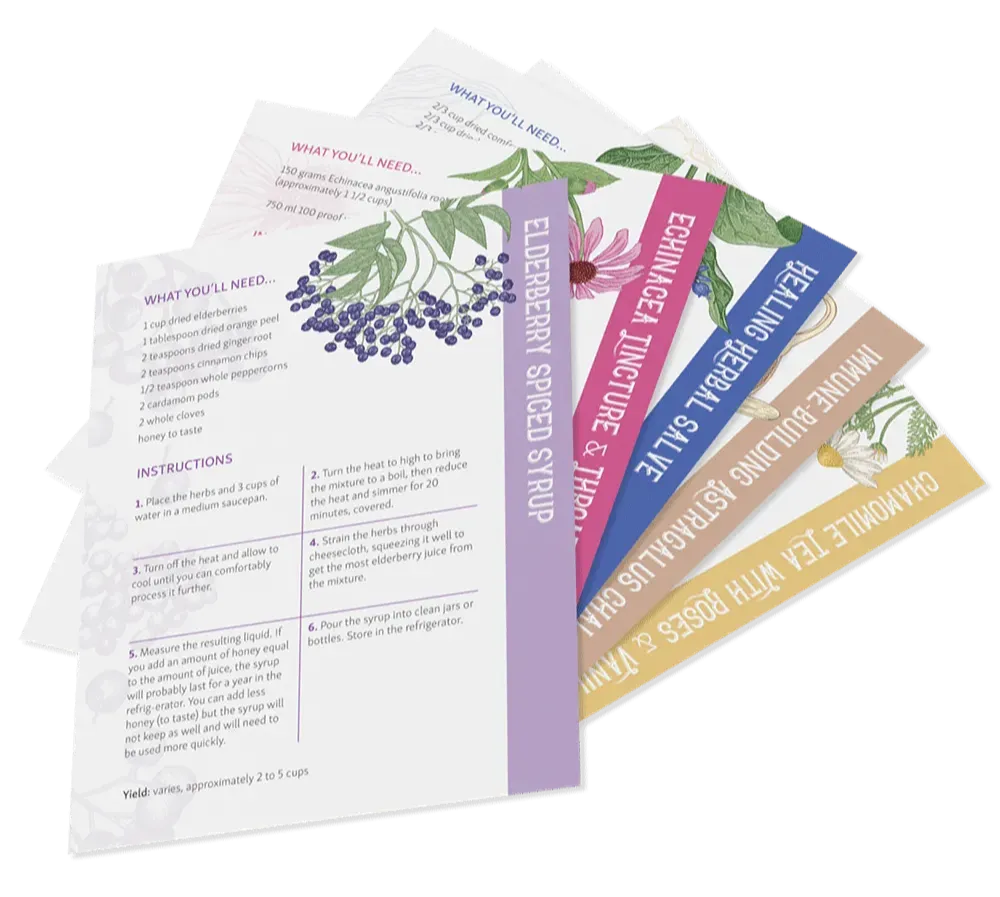
The Herbal Remedy Vault has all of our printable recipe cards...