Herb Notes: The Benefits of Lavender
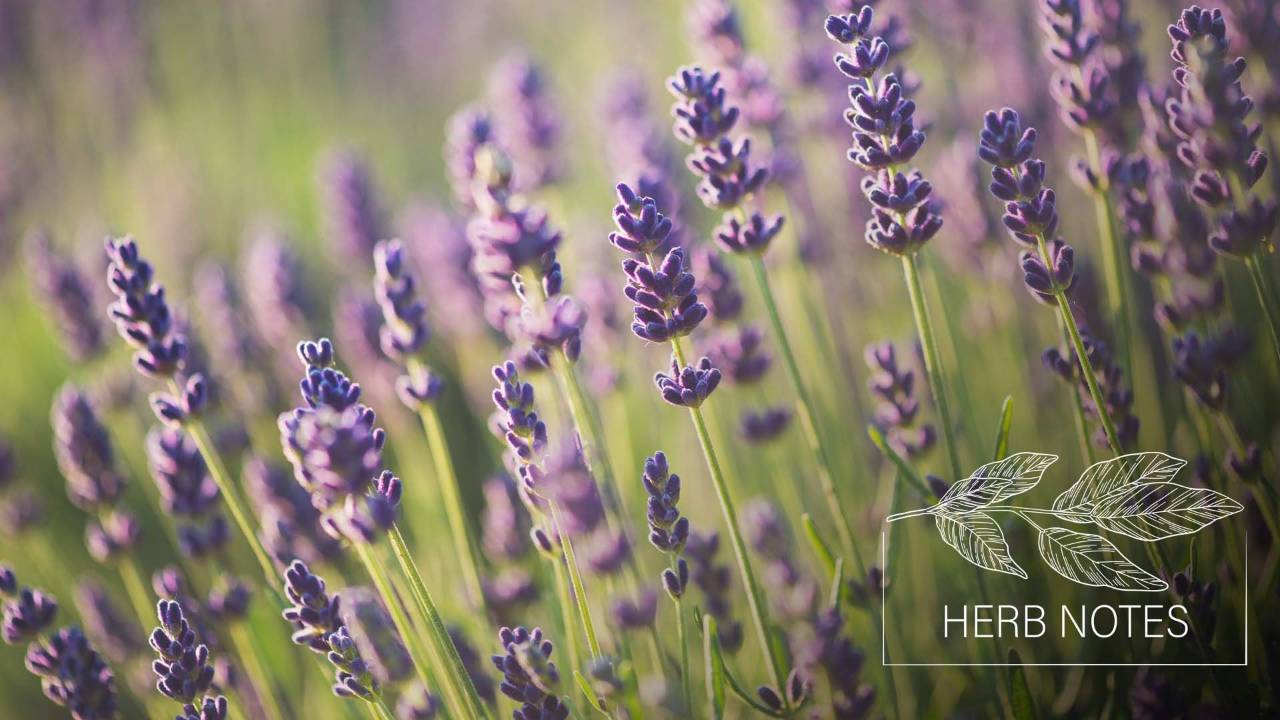
Lavender is one of herbalism's most recognized and beloved plants: familiar enough to live in a garden bed or a scented lotion, yet grounded in a body of clinical studies that most people never get to see.
Lavender, or Lavandula angustifolia, has been used medicinally for centuries across Europe and the Mediterranean, and it continues to impress modern scientific research. The Botanical Safety Handbook gives it its highest safety rating, making it one of the most accessible herbs you can add to your home practice.
Let's explore three medicinal uses of lavender:
1. Lavender for stress, anxiety, and sleep
The moment you catch a whiff of lavender, your breathing deepens and your shoulders soften. Lavender is known as a relaxing nervine: a plant that calms the nervous system without dulling the senses.
Researchers have studied this calming effect across a wide range of situations, from college students lying awake with racing minds, to patients sitting in a dentist's waiting room. In every case, lavender helped. One study followed students who wore a small lavender essential oil patch on their chest each night alongside better sleep habits. The students using lavender improved significantly more than those who changed their habits alone.
One of the more remarkable findings in lavender research involves a preparation called Silexan, tested head-to-head against the top prescribed medication for adults diagnosed with generalized anxiety disorder. Lavender, on its own, had equally significant results in decreasing the symptoms of anxiety! For an herb with little to no contraindications, that is a very meaningful result.
Herbalist David Winston points to a specific presentation where he reaches for lavender in practice: someone who comes in feeling mentally foggy and stuck, caught in a loop around a painful memory, unable to move forward. He calls this 'stagnant depression', and for these clients he'll often combine lavender with lemon balm in a tea or tincture. Together, the two herbs help shift a mental state that has felt immovable.
A small sachet of dried lavender flowers near your pillow is a great starting point for increasing relaxation. For more consistent support, a nightly cup of lavender tea or a few drops of essential oil on your pillow gives your nervous system something to rely on.
2. Lavender for wound healing and infection
Lavender as a topical medicine has incredible wound healing and infection soothing effects.
For minor burns, lavender essential oil (diluted in a carrier oil) decreases pain and supports tissue healing quite rapidly. Bug bites respond well too; a drop of diluted oil takes down the itch and inflammation fast. A formula of lavender, clove (Syzygium aromaticum), and herb Robert (Geranium robertianum) for acute ear infections has been shown highly effective in clinical studies. Other studies have also shown lavender active against vaginal Candida and several parasites, including Giardia duodenalis and Trichomonas vaginalis in vitro.
A small bottle of lavender essential oil, diluted in a carrier and kept somewhere accessible, is one of the most practical things you can add to your home practice.
3. Lavender for pain relief
Lavender surprises people most in its use for pain relief.
Whether it's kidney stone pain, labor, post-surgical recovery, or uterine cramps, lavender has been shown in multiple studies to help decrease discomfort. Researchers believe it works on several levels at once: it's analgesic and anti-inflammatory on its own, and its calming effect on the nervous system appears to reduce the body's overall perception of pain. Lavender is not a standalone replacement for pain medications, but it greatly extends their reach.
A study of children recovering from tonsillectomies showed how powerfully this works: children that were given lavender essential oil to inhale during recovery needed measurably less acetaminophen than children in the control group. Two separate studies have also looked specifically at lavender for menstrual pain – one using inhalation, one using lavender as an abdominal massage oil – and both found meaningful relief. If monthly pain is something you manage, those are two very accessible options worth trying.
Lavender contraindications
Lavender is one of the safest herbs available, but a couple of things are worth knowing:
Sourcing: Lavender from florist shops may have been grown with pesticides or other chemicals. For medicinal use, purchase from an herbal supplier or grow your own.
Essential oil safety: Lavender oil is best used externally, diluted in a carrier oil. Internal use of the essential oil should only ever be under direct advice from your healthcare provider.
Want to Learn More About Other Common Herbs' Benefits?
Now that you've learned a little bit about the health benefits of lavender, you might be wondering how you can learn more about the medicinal properties of other common plants.
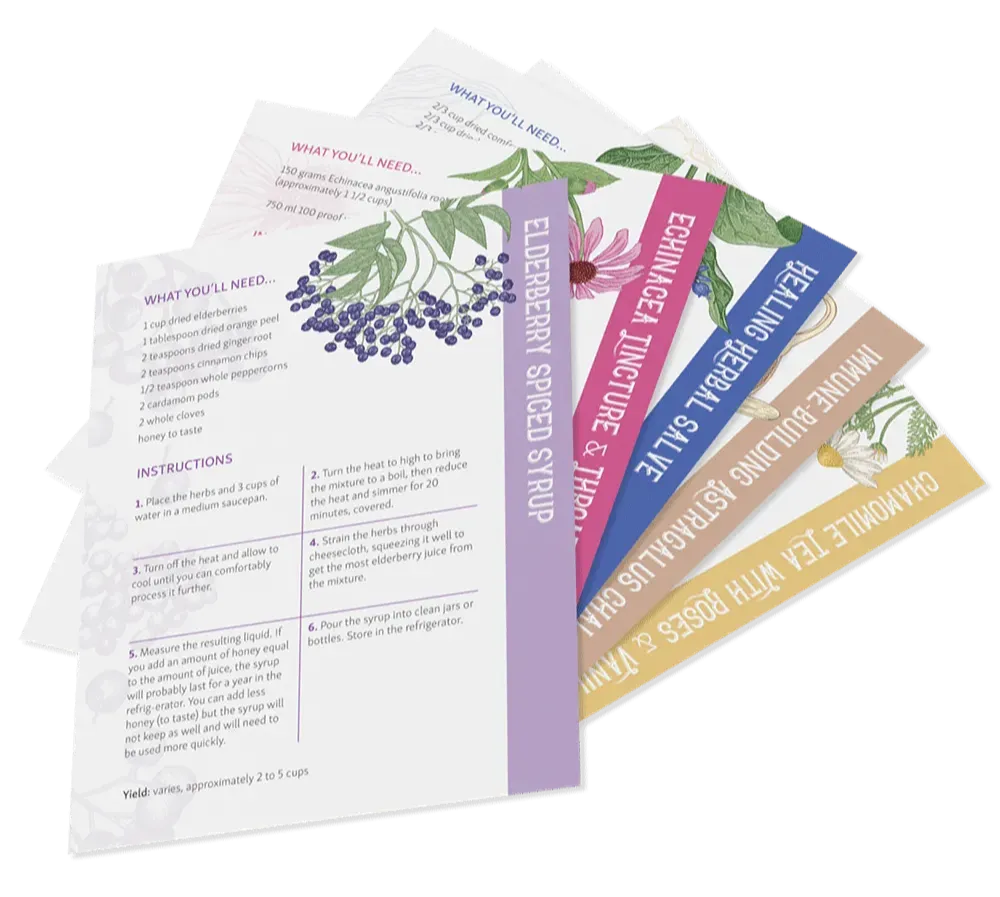
Well, here’s the easy way to get more info about some of our favorite herbs: download a FREE deck of our top 12 Herb Notes. You’ll learn all about the medicinal properties of common herbs like elderberry, dandelion, and more.
P.S. Here are some frequently asked questions about lavender...
What is the best way to work with lavender?
Start with what you have access to. If you grow lavender, rub your hands along the leaves and flowers and breathe in the scent... that simple ritual has measurable nervous system effects. For internal use, lavender makes a gentle, pleasant tea. Rosalee de la Forêt describes a lovely method: infuse fresh lavender flowers and leaves in water for a couple of hours for a light floral herbal water. For a stronger preparation, steep 1–3 grams of dried flowers in hot water. Lavender essential oil can be diffused for sleep and anxiety support, or diluted in a carrier oil for topical pain relief and wound care.
What parts of lavender are used?
The flower buds and aerial parts (leaves and stems) are all used medicinally. Harvest after the flower buds have formed but before they've fully opened for the most potent medicine.
What are the suggested doses for lavender?
- Tea: 1–3 grams per day
- Tincture (dried flowers): 1:5, 70% alcohol, 1.5–2 mL (⅓ to ½ teaspoon), 3–4 times per day
- Essential oil: Inhaled directly, or diluted in a carrier oil for external use

Footnotes
The Herbal Remedy Vault has all of our printable recipe cards...