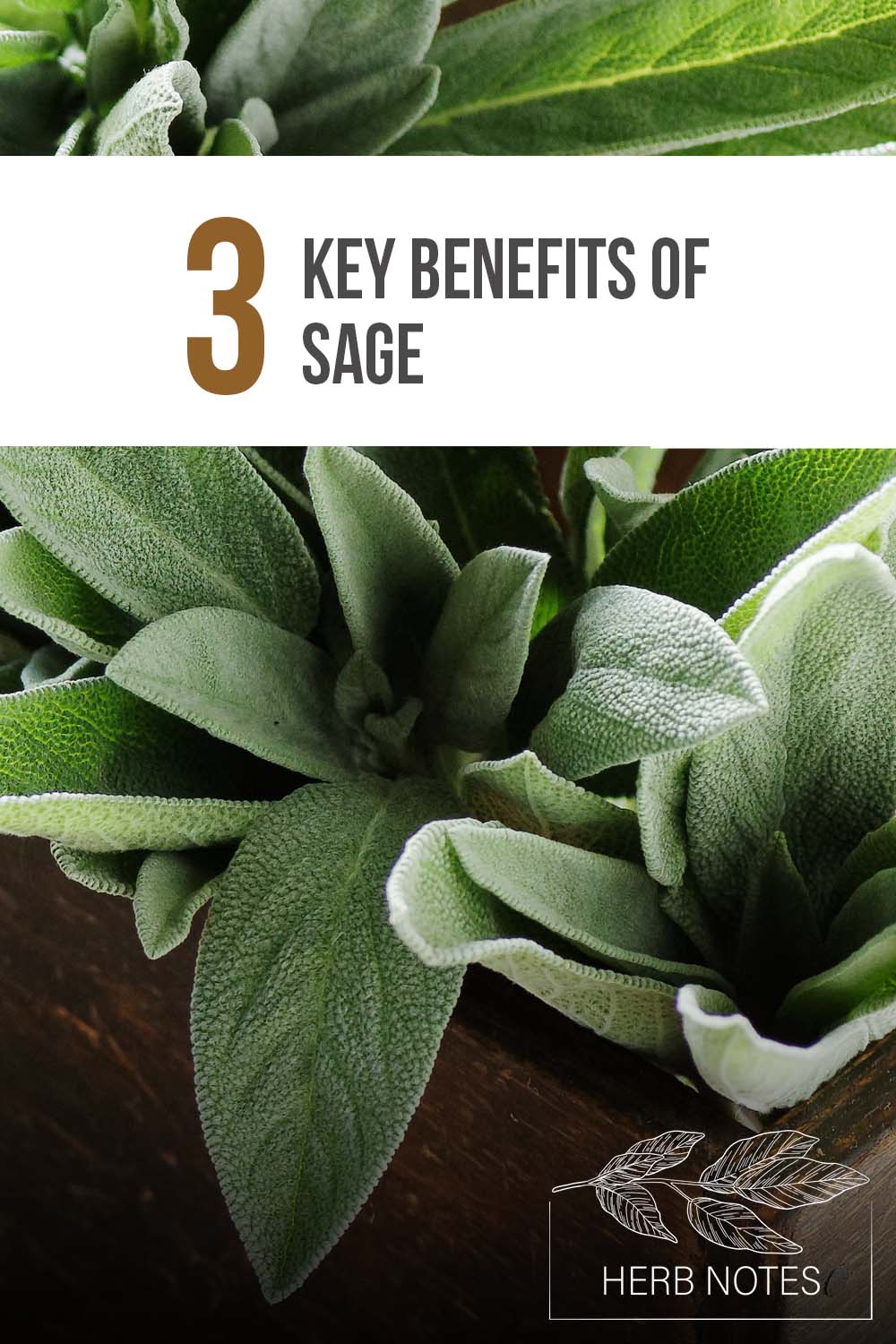
Sage (Salvia officinalis) is a familiar garden plant with a long history as both a culinary staple and a revered herbal ally.
Let’s dive into three gifts of sage…
1. Sage for Stagnant Digestion
Sage is a classic digestive stimulant, especially helpful when digestion feels sluggish, heavy, or stagnant. Its aromatic, slightly bitter nature helps awaken digestive fire, reduce gas and bloating, and support healthy movement through the digestive tract. Sage is particularly well suited for rich meals and can be easily enjoyed by cooking with it or sipping it as a simple tea.
2. Sage for Sore Throats
Sage has long been cherished for soothing sore throats and supporting oral and upper respiratory health. Its antimicrobial and astringent qualities help calm irritation, tighten tissues, and reduce inflammation. Sage tea or a sage gargle is an effective remedy for scratchy throats, hoarseness, and mild infections.
3. Sage for Memory and Cognition
Sage has a well-earned reputation as a tonic for the mind. Traditionally used to support memory, focus, and mental clarity, sage helps sharpen cognition. Its stimulating yet grounding nature makes it a beloved ally for studying and maintaining cognitive vitality over time.
Sage Contraindications
Sage is generally considered safe for most people. However, large amounts are contraindicated during pregnancy. Sage can also reduce the flow of breast milk and should be avoided during lactation unless you’re preparing to wean.1
Want to Learn More About Other Common Herbs' Benefits?
Now that you've learned a little bit about the health benefits of sage, you might be wondering how you can learn more about the medicinal properties of other common plants.
Well, here’s the easy way to get more info about some of our favorite herbs: download a FREE deck of our top 12 Herb Notes here. You’ll learn all about the medicinal properties of common herbs like elderberry, dandelion, and more.
Here are some frequently asked questions about sage...
How can I use sage?
Sage is wonderfully versatile. You can cook with fresh or dried sage, steep it as a tea, or use it as a gargle for sore throats. Sage also pairs beautifully with honey and lemon, and can be used in steam inhalations for respiratory support.
Is sage drying?
Yes—sage is considered a drying herb. This makes it especially helpful for damp, stagnant conditions, but it’s best used in moderation by those who already tend toward dryness.
Written by Tara Ruth
Tara Ruth is an herbalist and the Communications Director at LearningHerbs. She graduated from the California School of Herbal Studies’ Community Herbalist Program and is a total herb nerd. Tara is passionate about teaching folks how to become confident home herbalists. In her free time, you can find Tara hiking in the forest and waving to all the plants along the way.
Footnotes
de la Forêt, Rosalee, “Sage Monograph.” HerbMentor. Accessed January 9th, 2025. https://learningherbs.com/herbmentor/ https://learningherbs.com/herbmentor/
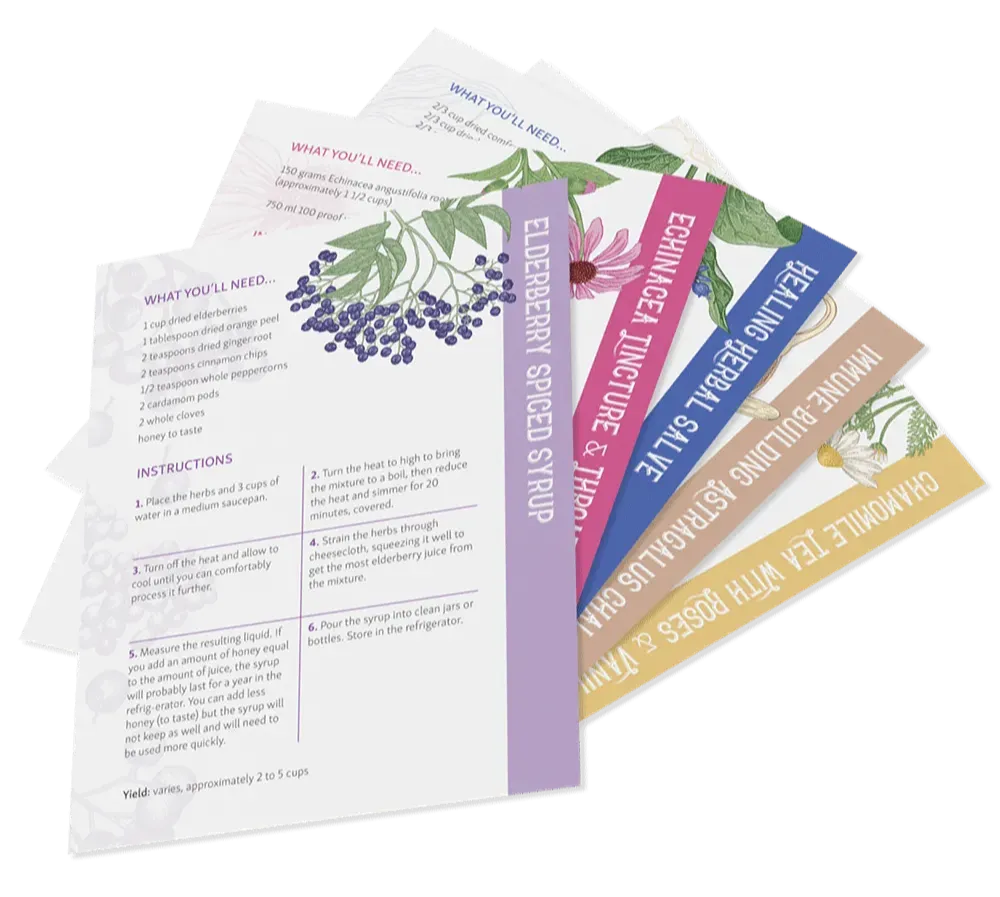
Discover how to make Echinacea Tincture, Elderberry Syrup, Healing Herbal Salve, Immune Building Chai, and the perfect cup of herbal tea with these beautiful cards.
LearningHerbs never shares your information. We will email you from time to time with great free herbal stuff. Unsubscribe any time.
These 5 recipes will be the foundation for your home apothecary...
Make your own Echinacea Tincture, Elderberry Syrup, Healing Herbal Salve, Chamomile Tea (the correct way), and Immune Building Astragalus Chai.
You’ll save hundreds of dollars a year not having to purchase these same remedies at the store!
Your first step towards transforming your kitchen into a natural pharmacy...
LearningHerbs never shares your information. We will email you from time to time with great free herbal stuff. Unsubscribe any time.