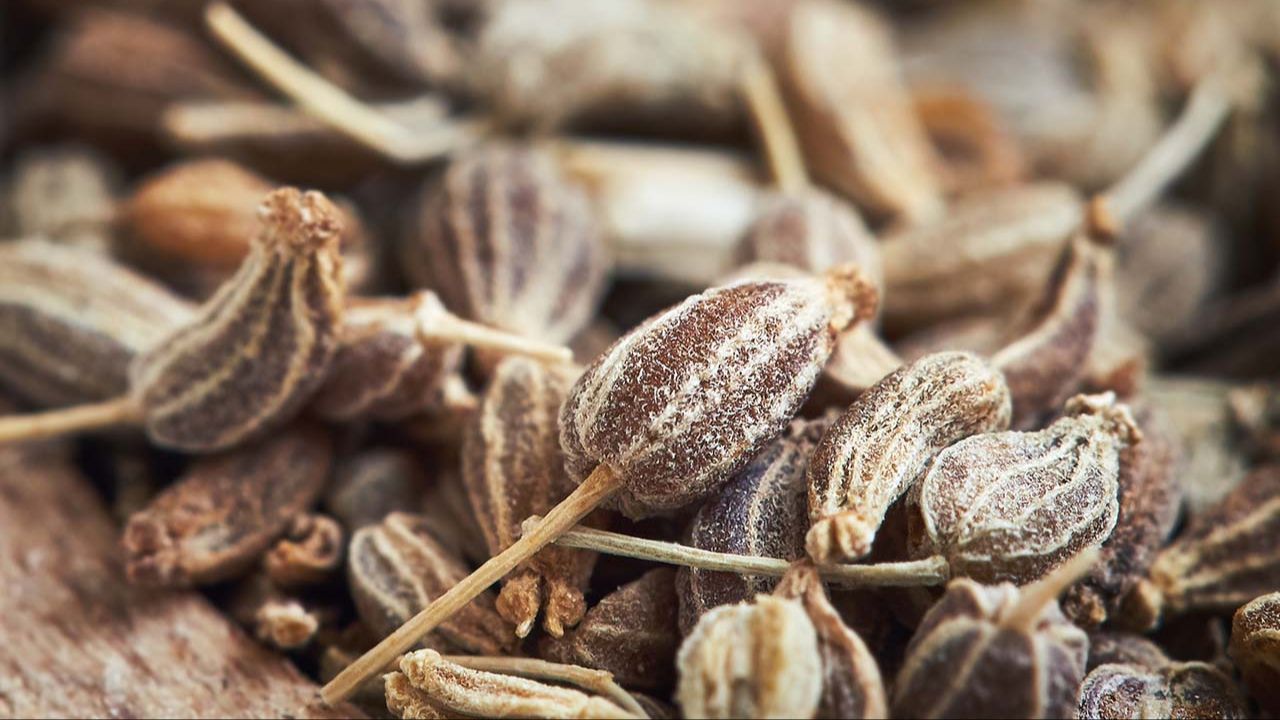
Anise, an aromatic, pungent seed, is an annual plant that is native to the Eastern Mediterranean and has been cultivated since 2000 BC.1 There has been documented evidence of this plant’s culinary use and medicinal uses for the digestive, immune, and respiratory systems by various cultures since the Middle Ages. Most of anise’s action can be described by its classification as a “secretagogue”, an herb that stimulates the body to secrete fluids.2 Medicinally, it is commonly used to address the common cold, cough, bronchitis, breast milk production, and fever.
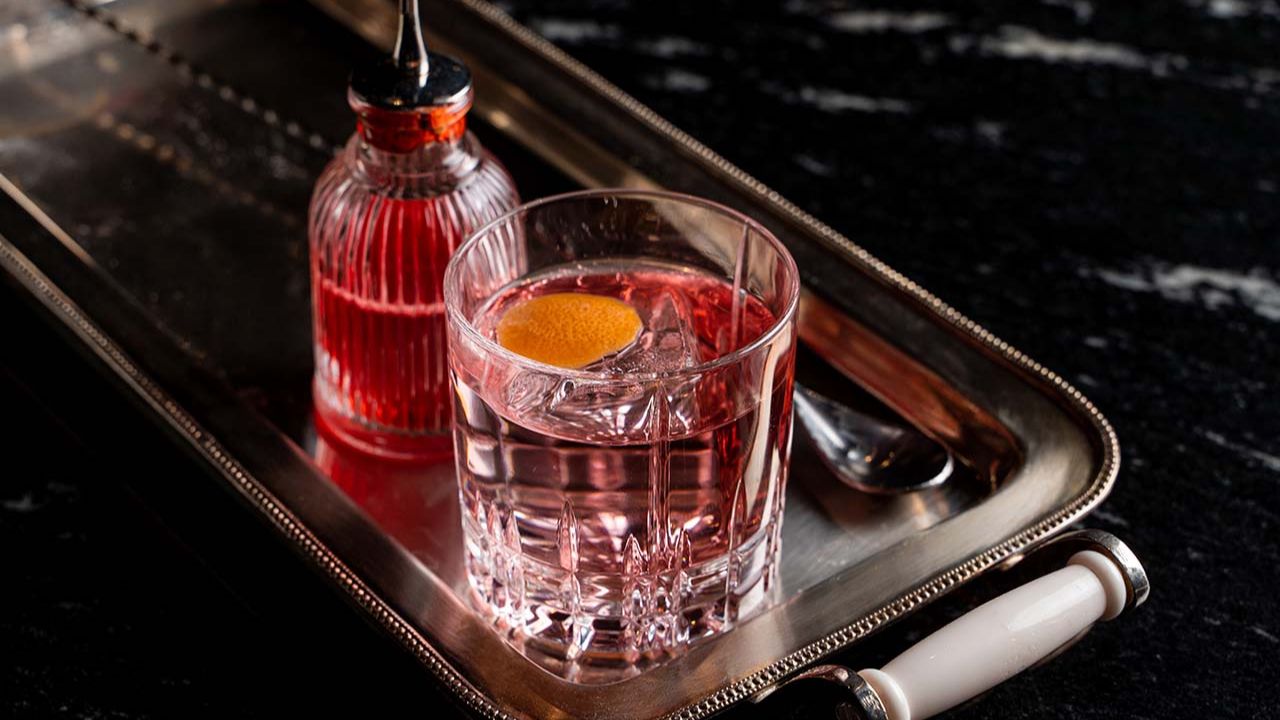
Anise is well known for its culinary use but can be expensive, so it is commonly substituted with star anise because of its cheaper cost. Using anise in food and drinks is relatively common in several kinds of cuisines, including Eastern Mediterranean, Moroccan, Portuguese, Provençal (French), Scandinavian and Vietnamese.3 In herbalism, anise’s flavor can be used to balance harsh effects of plants with strong actions in the body, such as laxatives and cholagogues.4
Anise Uses and Plant Profile Summary
-
Botanical Name: Pimpinella anisum
-
Other Common Names: aniseed
-
Family: Apiaceeae
-
Parts Used: fruit (referred to as "seed")
-
Energetics: warming, drying
-
Taste: pungent, sweet
-
Plant Properties: aromatic, antimicrobial, antispasmodic, analgesic, antiseptic, anti-inflammatory, astringent, carminative, diaphoretic, diuretic, expectorant, galactagogue
-
Plant Uses: intestinal cramps, bloating, nausea, colic in infants, breast milk production, bad breath, in food and drink as a spice
-
Plant Preparations: tea, decoction, tincture, incense, essential oil, food
#block-1763760104645 { margin-top: 0px; margin-right: 0px; margin-bottom: 0px; margin-left: 0px; } #block-1763760104645 .block { border: 1px solid #f0f0f0; border-radius: 9px; background-color: #f8f8f8; padding: 0px; padding: 0px; padding-top: 15px; padding-right: 5px; padding-bottom: 15px; padding-left: 15px; } @media (min-width: 768px) { #block-1763760104645 { margin-top: 0px; margin-right: 0px; margin-bottom: 0px; margin-left: 0px; } #block-1763760104645 .block { padding: 0px; padding-top: 20px; padding-right: 20px; padding-bottom: 20px; padding-left: 20px; } } @media (max-width: 767px) { #block-1763760104645 { text-align: left; } } #block-1577982541036_0 .btn { margin-top: 1rem; } .awesomecontainer .row .block-type--accordion { align-self: flex-start; }
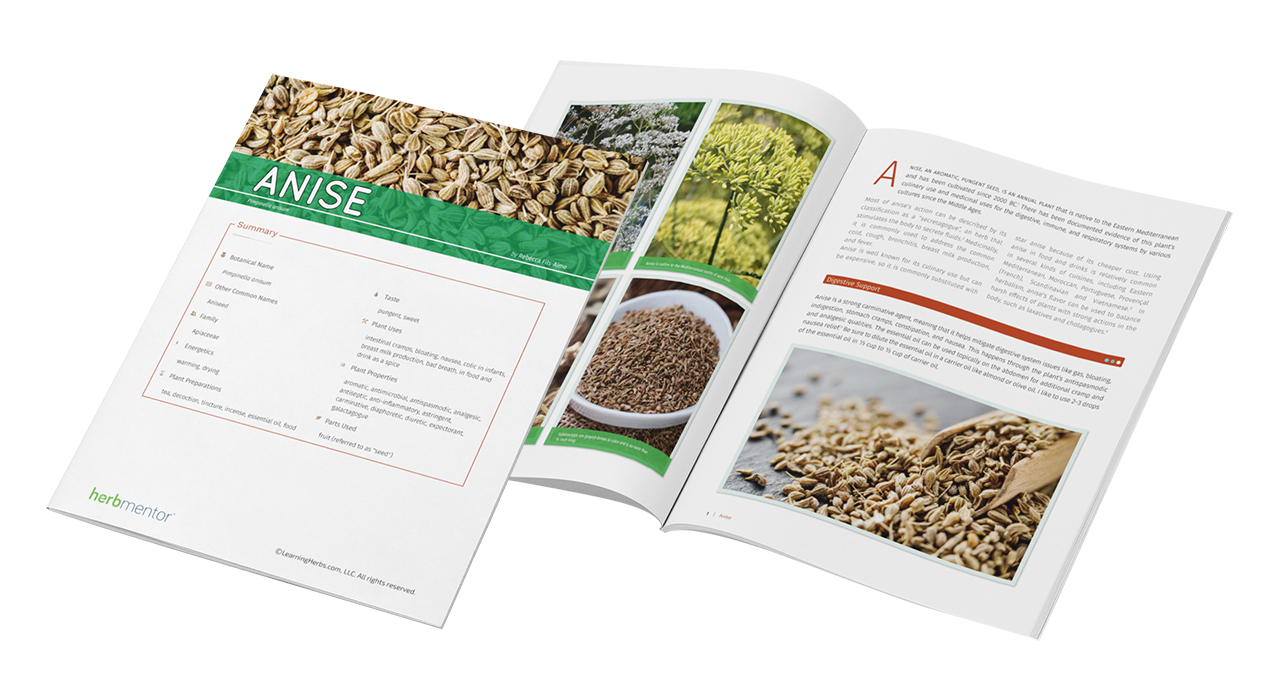
Want the Full Story on Anise?
To continue reading this monograph and explore our full library of fully cited, in-depth herb profiles written by experienced and practicing herbalists, join HerbMentor, LearningHerbs’ online herbal education hub and welcoming community.
You can join HerbMentor for just $1 and see how it can support your own herbal journey.
Written by Rebecca Fils-Aime
Rebecca Fils-Aime is a community herbalist, socio-behavioral scientist, and a certified health and wellness coach. Her mission is to educate about plants that originate in or are commonly used across the African diaspora. She has a passion for using herbs in food as medicine, seasonal living, and accessible, bioregional herbalism.
Footnotes
-
Van Wyk, Ben-Erik. Culinary Herbs & Spices of the World. Pretoria, South Africa: Briza Publications, 2014.
-
Balch, Phyllis A., and Stacey J. Bell. Prescription for Herbal Healing. New York, N.Y.: Avery, 2012.
-
Page, Karen, and Andrew Dornenburg. The Vegetarian Flavor Bible: The Essential Guide to Culinary Creativity with Vegetables, Fruits, Grains, Legumes, Nuts, Seeds, and More, Based on the Wisdom of Leading American Chefs. New York: Little, Brown and Company, 2014.
-
Stansbury, Jill. Herbal Formularies for Health Professionals, Volume 1: Digestion and Elimination, Including the Gastrointestinal System, Liver and Gallbladder, Urinary System, and the Skin. White River Junction, Vermont: Chelsea Green Publishing, 2018.
#block-1753900249496 { margin-top: 0px; margin-right: 0px; margin-bottom: 0px; margin-left: 0px; } #block-1753900249496 .block { border: 1px solid #ECF0F1; border-radius: 10px; background-color: #f8f8f8; padding: 0px; padding: 0px; padding: 0px; padding-top: 15px; padding-right: 15px; padding-bottom: 15px; padding-left: 15px; } @media (min-width: 768px) { #block-1753900249496 { margin-top: 0px; margin-right: 0px; margin-bottom: 0px; margin-left: 0px; } #block-1753900249496 .block { padding: 0px; padding: 0px; padding-top: 15px; padding-right: 15px; padding-bottom: 15px; padding-left: 15px; } } @media (max-width: 767px) { #block-1753900249496 { text-align: center; } } #block-1753900249496 .feature__image, [data-slick-id="1753900249496"] .feature__image { width: 100px; border-radius: 100px; } .authorfeature { display: flex; align-items: flex-start; position: relative; } .authorfeature__image-container { flex-shrink: 0; margin-right: 20px; } .authorfeature__image { max-width: 150px; height: auto; } .authorfeature__content { flex-grow: 1; } @media (max-width: 767px) { #block-1753900249496 .authorfeature { flex-direction: column; align-items: center; } #block-1753900249496 .authorfeature__image-container { margin-right: 0; } } #block-1772643480606 { margin-top: 0px; margin-right: 0px; margin-bottom: 0px; margin-left: 0px; } #block-1772643480606 .block { border: 4px black; border-radius: 4px; background-color: #fff; padding: 0px; padding: 0px; padding: 0px; padding-top: 20px; padding-right: 20px; padding-bottom: 20px; padding-left: 20px; } @media (min-width: 768px) { #block-1772643480606 { margin-top: 0px; margin-right: 0px; margin-bottom: 0px; margin-left: 0px; } #block-1772643480606 .block { padding: 0px; padding: 0px; padding-top: 30px; padding-right: 30px; padding-bottom: 30px; padding-left: 30px; } } @media (max-width: 767px) { #block-1772643480606 { text-align: left; } } #block-1772643480606 .accordion-title h5 { margin: 0; cursor: pointer; } #block-1772643480606 .accordion-body { padding-top: 24px; } #block-1772643480606 .accordion-title.collapsed:after { content: "\f067"; margin-left: 24px; } #block-1772643480606 .accordion-title:after { content: "\f068"; margin-left: 24px; color: ; } .awesomecontainer .row .block-type--accordion { align-self: flex-start; }
The Herbal Remedy Vault has all of our printable recipe cards...
Enter The Vault