6 Best Hydrosols for Summer Skin Care
Summer is the season I reach for hydrosols more than any other time of year. A long afternoon in the heat, a surprise insect bite, a sun-kissed face – there is a hydrosol for all of summer’s needs! These gentle botanical waters are some of my most-used herbal allies, and once you start using them, you'll wonder how you spent summers without them!
If you're just getting started, you can read all about how hydrosols are made and what makes them special in our Hydrosols 101 article. Then come right back here, because there is a lot to work with.
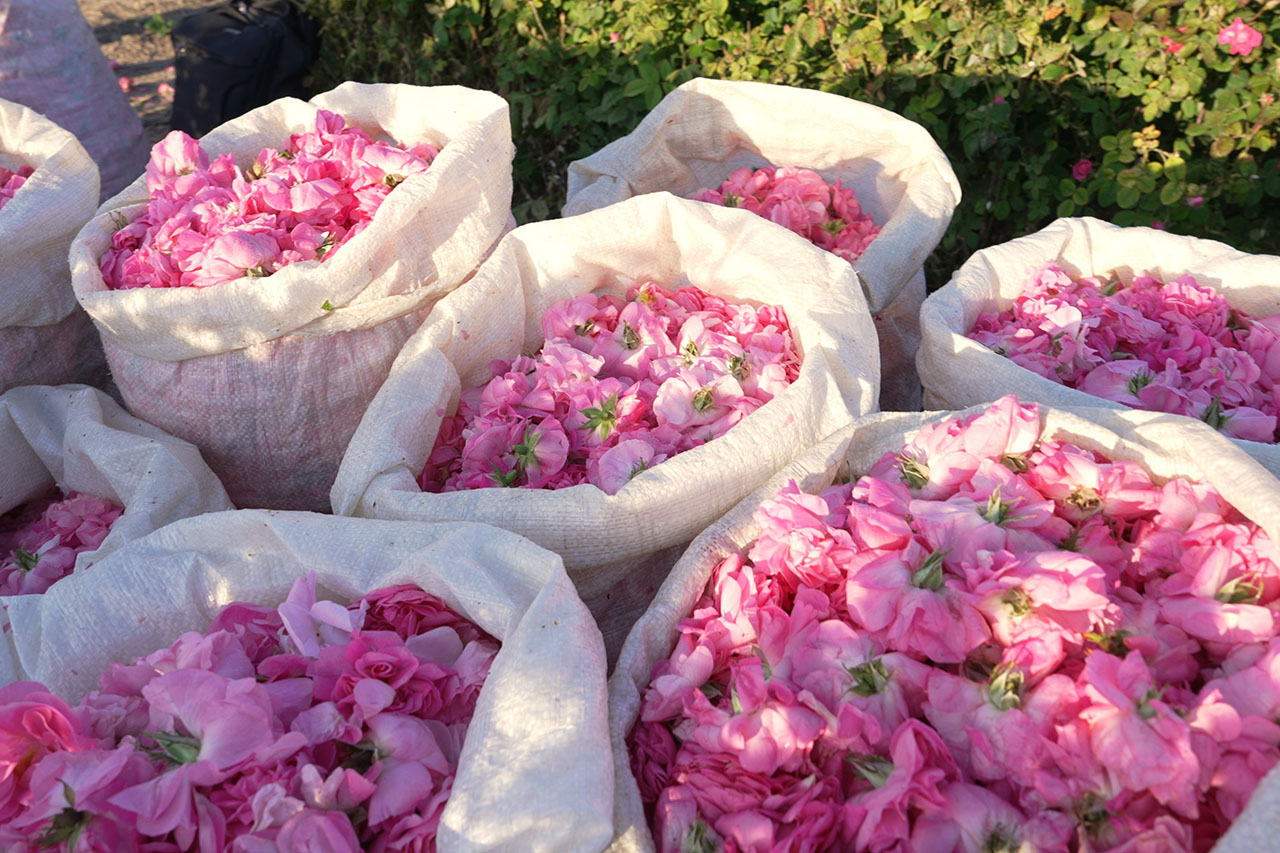
Hydrosols for Summer Skin Care
One of the best things about hydrosols is how simple they are to use. Spray them directly on your skin, apply them with a reusable cotton pad, or blend them into your favorite herbal preparations. For simplicity’s sake, most of the uses below call for straight hydrosol with no other ingredients. You can use hydrosol by itself, or you can mix hydrosols together to create enticing combinations! Once you get the hang of it, combining them becomes half the fun.
One of the most popular uses of hydrosols is for skin care. All hydrosols are acidic, so they make excellent toners and they hydrate the skin. But in addition to these general properties, hydrosols have individual skin care benefits too. For general skin care and skin issues, I like to apply hydrosols as a toner, after cleansing but before moisturizing. You can also mist your skin throughout the day if you need a little extra hydration.
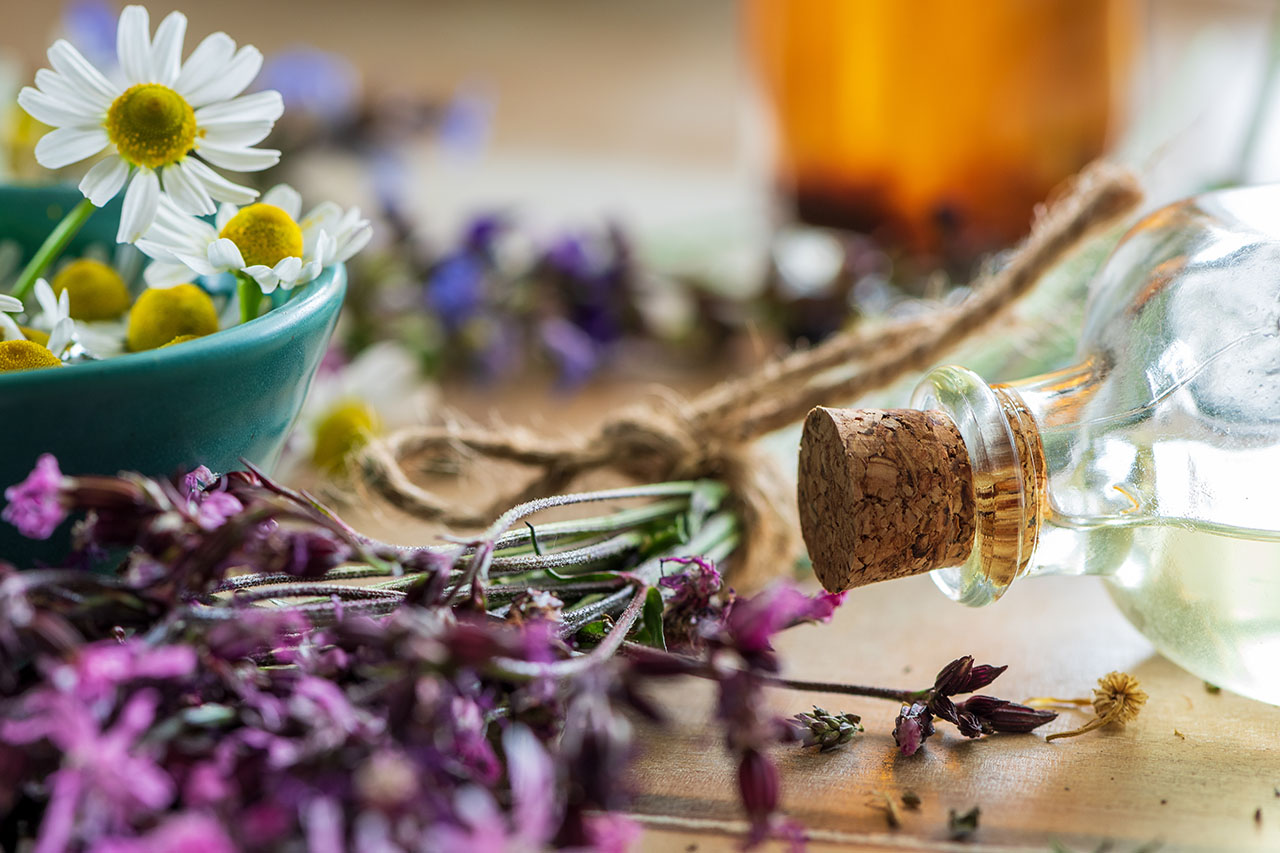
1. Chamomile for Soothing Skin
Two species of chamomile are used in herbalism and aromatherapy: Roman chamomile (Chamaemelum nobile) and German chamomile (Matricaria chamomilla). The hydrosols from both chamomiles are excellent for swollen, damaged, and reddened skin, such as from sunburn, mild burns, insect bites, itchy skin, rashes, and acne. Aromatherapist Suzanne Catty recommends using Roman chamomile hydrosol for heat rash.1
In my experience, German chamomile hydrosol is a bit more anti-inflammatory, and Roman chamomile hydrosol is a bit more astringent, so it is especially great for oily skin.
Chamomile hydrosols are also emotionally calming: they soothe anxiety, stress and irritability. On a hot summer day when everyone is a little on the edge, try misting your face with chamomile hydrosol. It settles both the skin and the mood at the same time. You can also spray your pillow to help you relax, unwind and fall asleep.
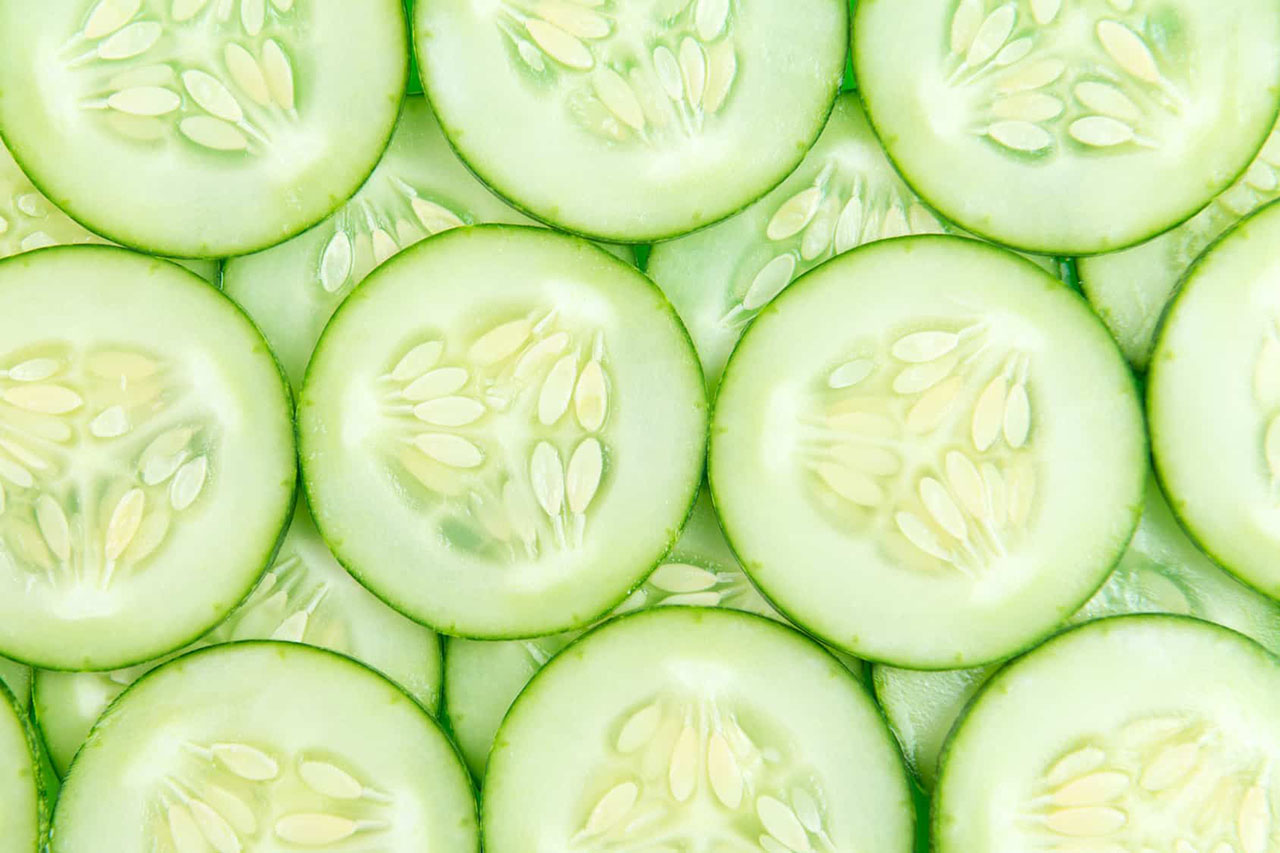
2. Cucumber for Heat Relief
Like the vegetable itself, cucumber (Cucumis sativus) hydrosol is cooling and refreshing. When it is humid and your skin feels sticky and hot, a few spritzes of chilled cucumber hydrosol offer almost instant relief. It is excellent for sensitive, irritated skin and it is soothing for sunburn and mild burns. I keep cucumber hydrosol in the fridge and reach for it after I’ve been out in the sun all day. It is soothing for sunburn and mild burns, and the smell – light, crisp, and fresh – is a pleasure.
This hydrosol is also effective for refreshing the eye area: moisten a couple cotton pads with chilled cucumber hydrosol. Lie down and place the pads on your closed eyes for at least 15 minutes.
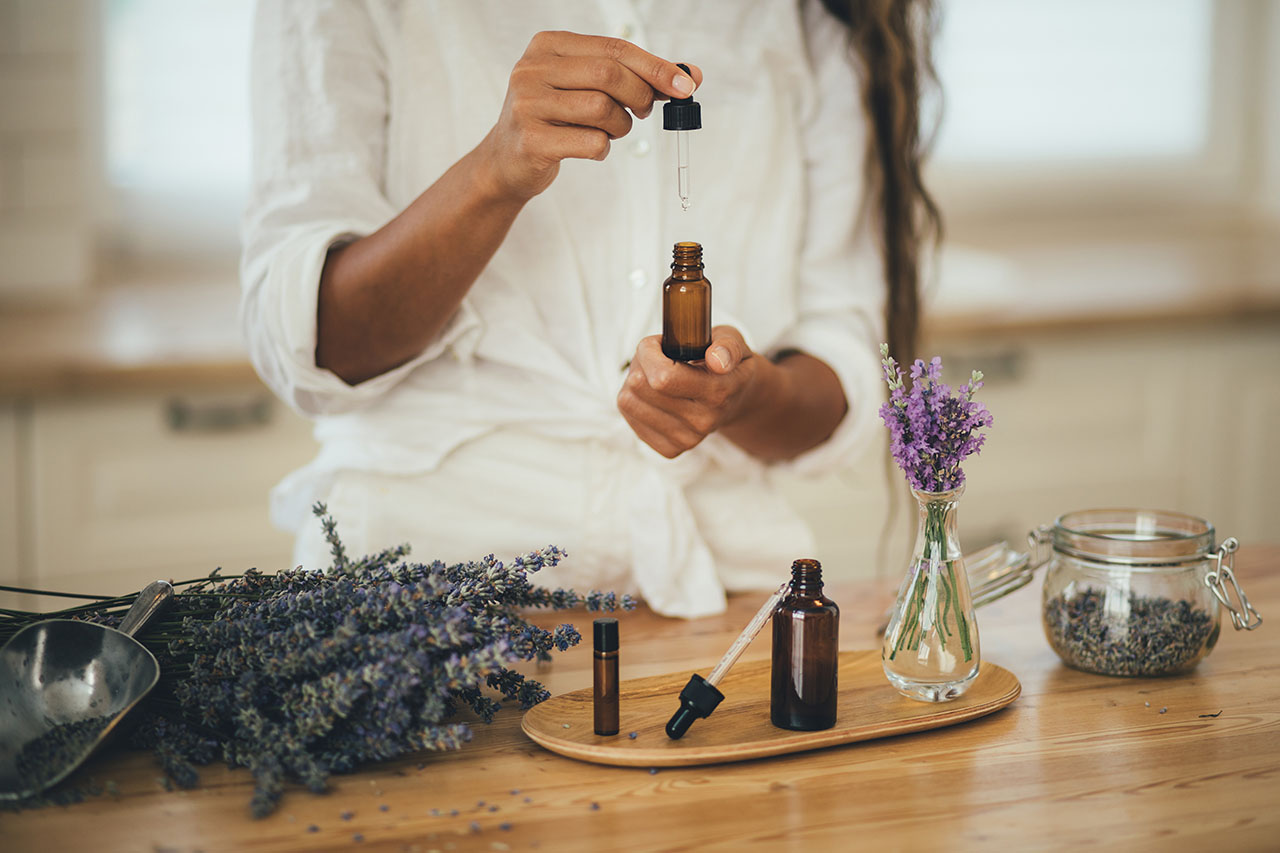
3. Lavender for Balancing the Skin
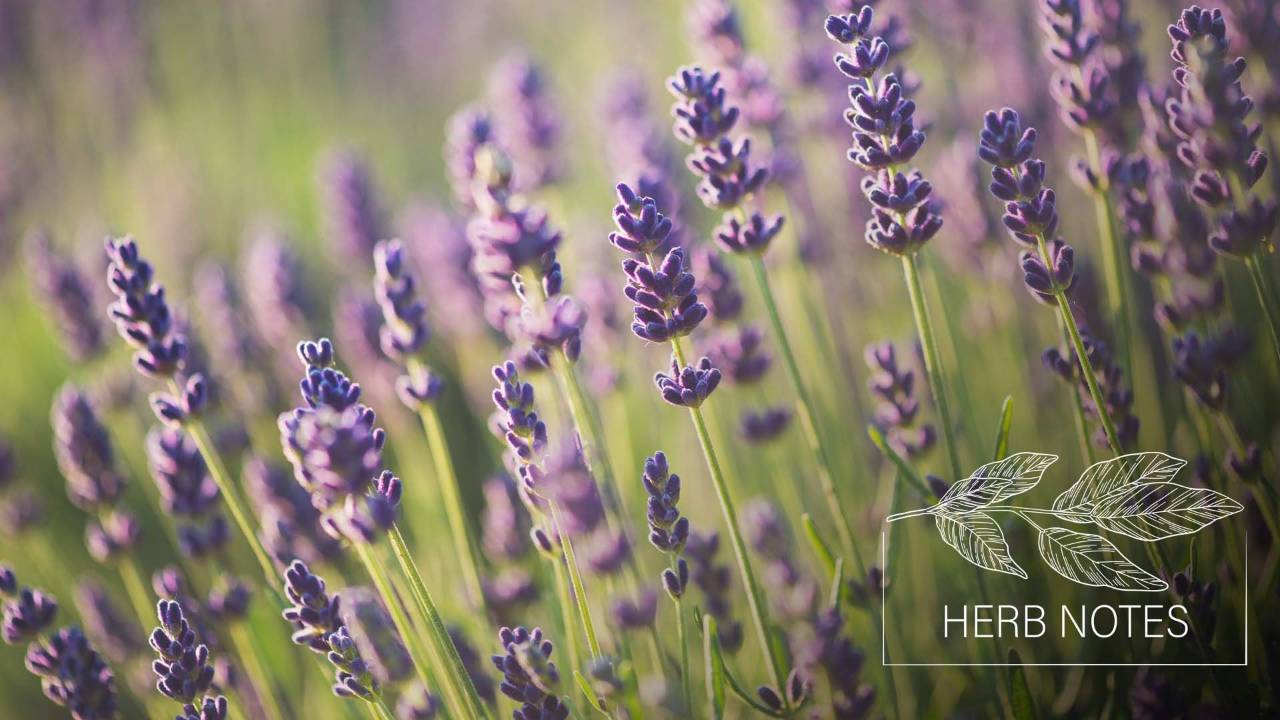
Lavender (Lavandula angustifolia) hydrosol is one of the most versatile skin care hydrosols to keep on hand. It is suitable for all skin types, whether the skin is too dry or too oily — it balances the skin’s sebum levels. Lavender hydrosol is helpful for blemished skin, and can soothe acne, rosacea, and minor scars. It works for all types of irritated and damaged skin, whether you have a rash, sunburn, or insect bite. Aromatherapist Suzanne Catty suggests using lavender hydrosol for heat rash, too.2
Beyond the physical, it's deeply calming: the amount of essential oil in the hydrosol is perfect for irritable or anxious kids, and for overwhelmed adults too. I've misted it on more than one child mid-meltdown with impressive results.
Before bed, try spraying lavender hydrosol on your pillow. Its tranquil aroma is one of the gentlest sleep aids I know. And if you're traveling this summer, you're in luck: herbalist and aromatherapist Jeanne Rose recommends lavender hydrosol for jet lag.3
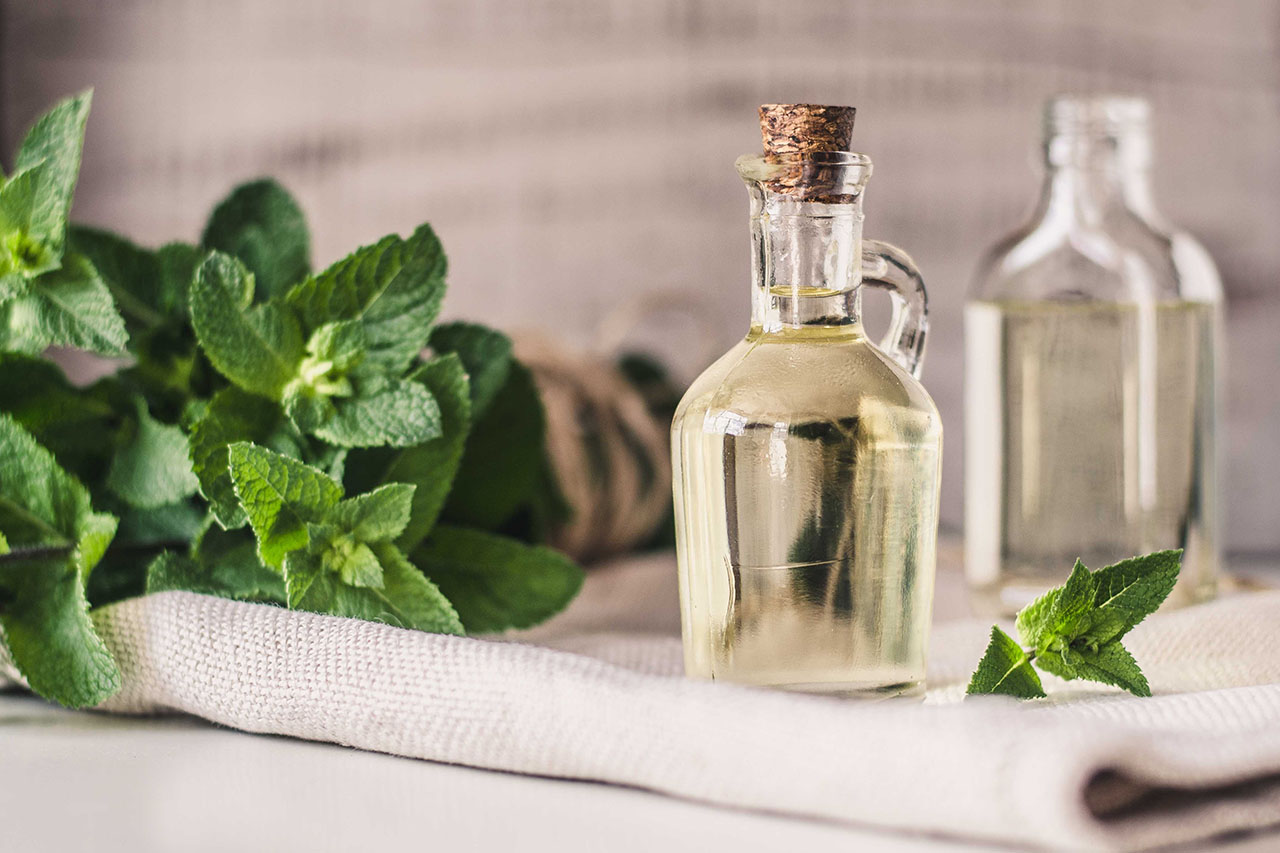
4. Peppermint for Overheated Skin
Peppermint (Mentha x piperita) hydrosol is the one I reach for when I feel truly overheated.
A spray bottle of it lives in my fridge all summer, and a few spritzes of chilled peppermint hydrosol on the neck, face, and arms is cooling and revitalizing when the temperature climbs. It's especially helpful for hot flashes, and it may also soothe some painful, itchy skin conditions like sunburn or inflamed acne.
A spritz of peppermint hydrosol can also be great for mental focus!
Note: Suzanne Catty does not recommend using peppermint hydrosol for kids who are under three years of age.4
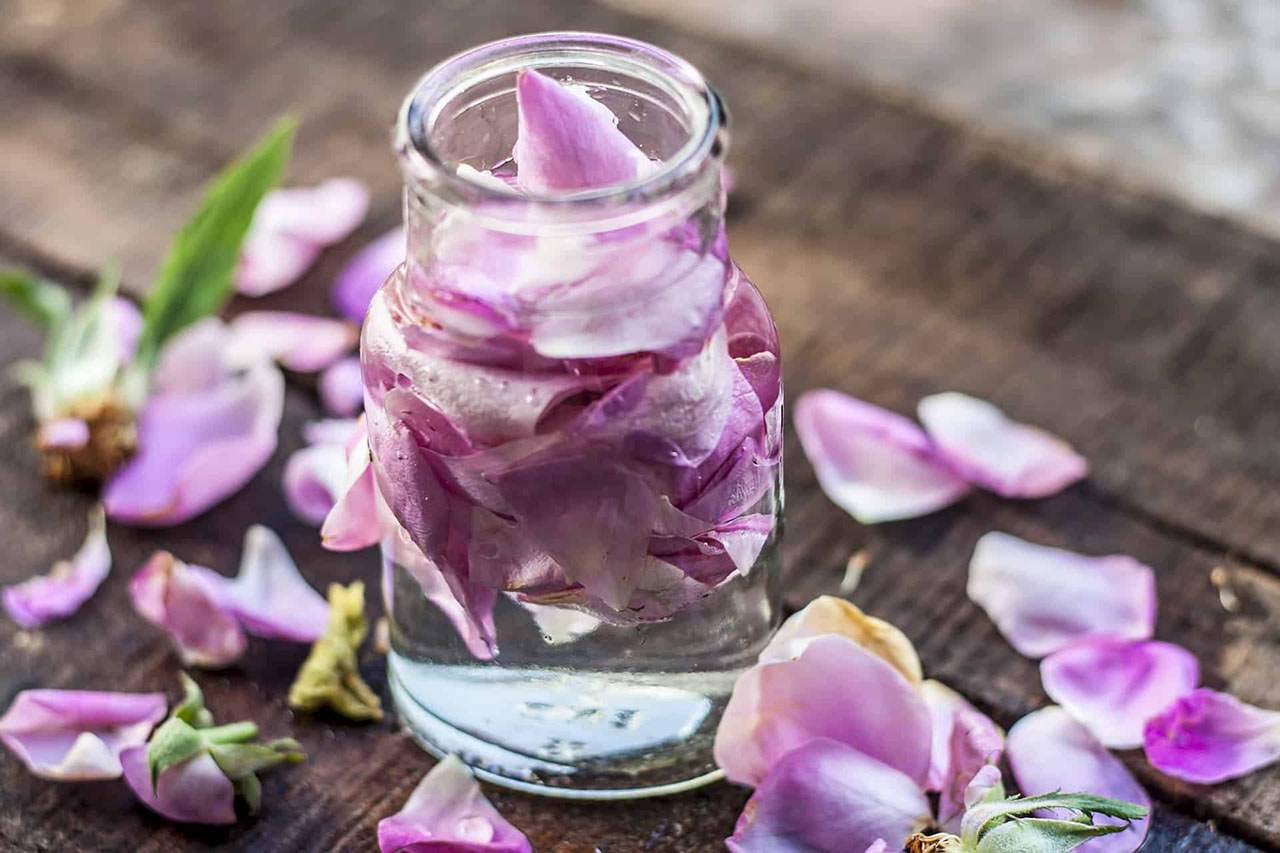
5. Rose for Calming the Skin
Fragrant rose hydrosol is most often distilled from Damask rose (Rosa x damascena) or cabbage rose (Rosa centifolia), though white rose (Rosa alba) hydrosol is occasionally available as well.
Like the essential oil, rose hydrosol tends to the emotional heart as well as the physical body. I've used it with success for moodiness, nervousness, anxiety, and grief – feelings that summer transitions and travel can stir up.
Rose hydrosol may be used on all skin types, but it is especially beneficial for dry, sensitive, and mature skin. I have recommended it for cases of acne where the skin is dehydrated or dry. It calms down red, inflamed skin like sunburn and mild burns. It can also be used on oily skin that has acne. Many aromatherapists suggest using rose hydrosol for wrinkles.5,6
Rose water also holds a treasured place in Indian, Middle Eastern, and many other culinary traditions. If you'd like to try making your own, our How to Make Rose Water article walks you through the whole process.
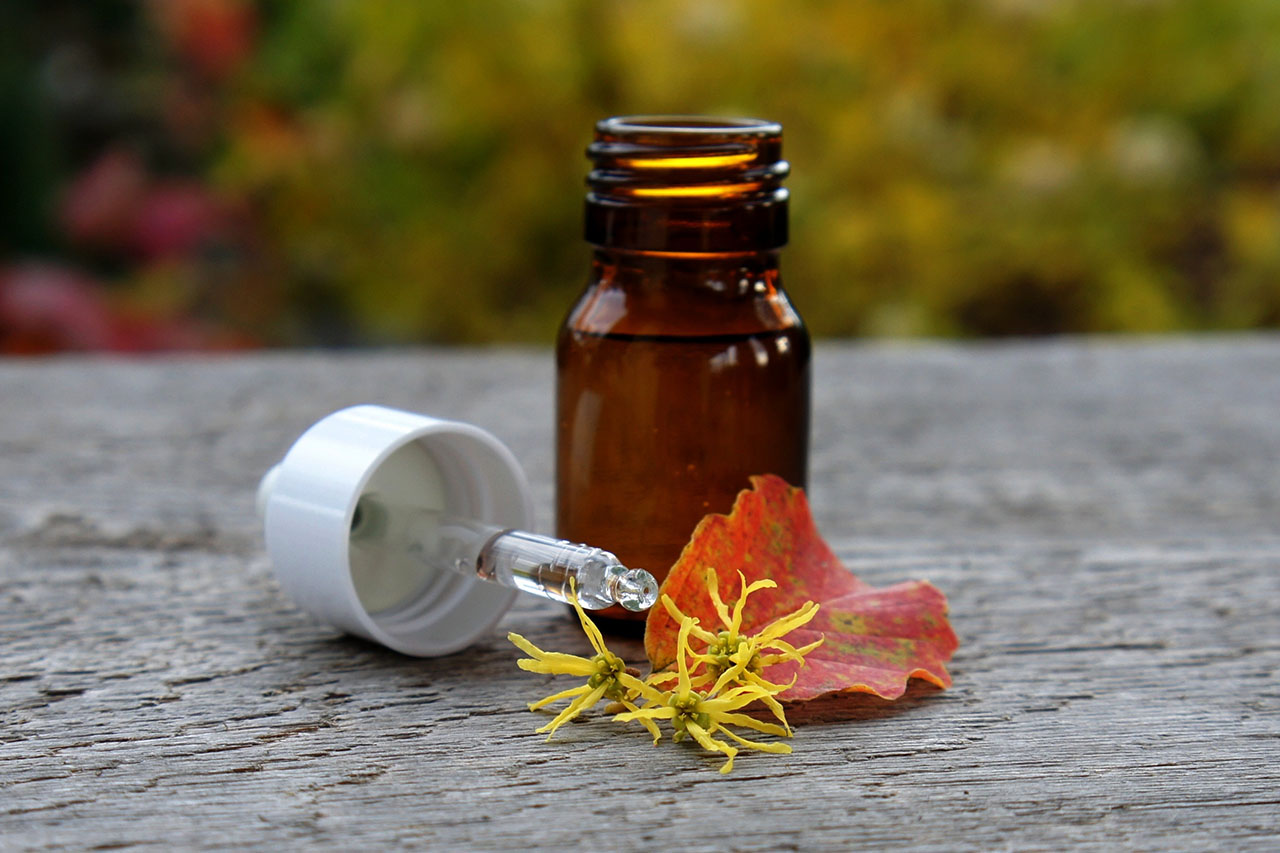
6. Witch Hazel for Soothing Inflammation
Witch hazel (Hamamelis virginiana) is one of summer's most practical herbal allies. Its hydrosol is excellent for reducing the inflammation of insect bites and soothing all types of red, irritated skin and rashes. It is also one of the best known astringents, so it is great for oily skin and is often used for acne. It can soothe dry skin as well, helping to calm rashes.
One of its best known uses in herbalism is for hemorrhoids. Saturate a cotton ball with witch hazel hydrosol and apply it directly to soothe swollen veins.
Suzanne Catty states that witch hazel hydrosol is a powerful antioxidant.7
Curious about how herbs can support healthy skin?
Discover skincare as joyful, whole-body practice in The Joy of Herbal Skincare inside HerbMentor! Learn how your skin connects to your nervous system and gut health, how to create a simple skincare routine from common plant allies, and treat skin ailments with confidence. Join HerbMentor today to access the full course.
The Daily Practice of Hydrosols
Hydrosols are one of those herbal preparations that are easy to underestimate… until you start using them daily. Many are gentle enough for babies, versatile enough to handle sunburn, insect bites, hot flashes, rosacea, and emotional overwhelm, and simple enough to work straight from the bottle with no complex recipes required. Keep a few favorites stocked in the fridge, try blending them together, and let them become a natural part of your summer routine.
Whether you're reaching for chilled cucumber hydrosol after an afternoon in the sun, misting lavender on a restless child's pillow, or dabbing witch hazel on an itchy bite, these herbal distillations may just become some of the most-loved items in your herbal apothecary.
Ready to go deeper? Visit our Hydrosols 101 article for the full story on what hydrosols are, how they're made, and how to choose the best ones for your herbal practice. And if you'd like to weave hydrosols into your broader skin healing process, our posts on making herbal lotion and DIY sheet masks are great places to start.
Here are a few frequently asked questions about hydrosols…
How are hydrosols made?
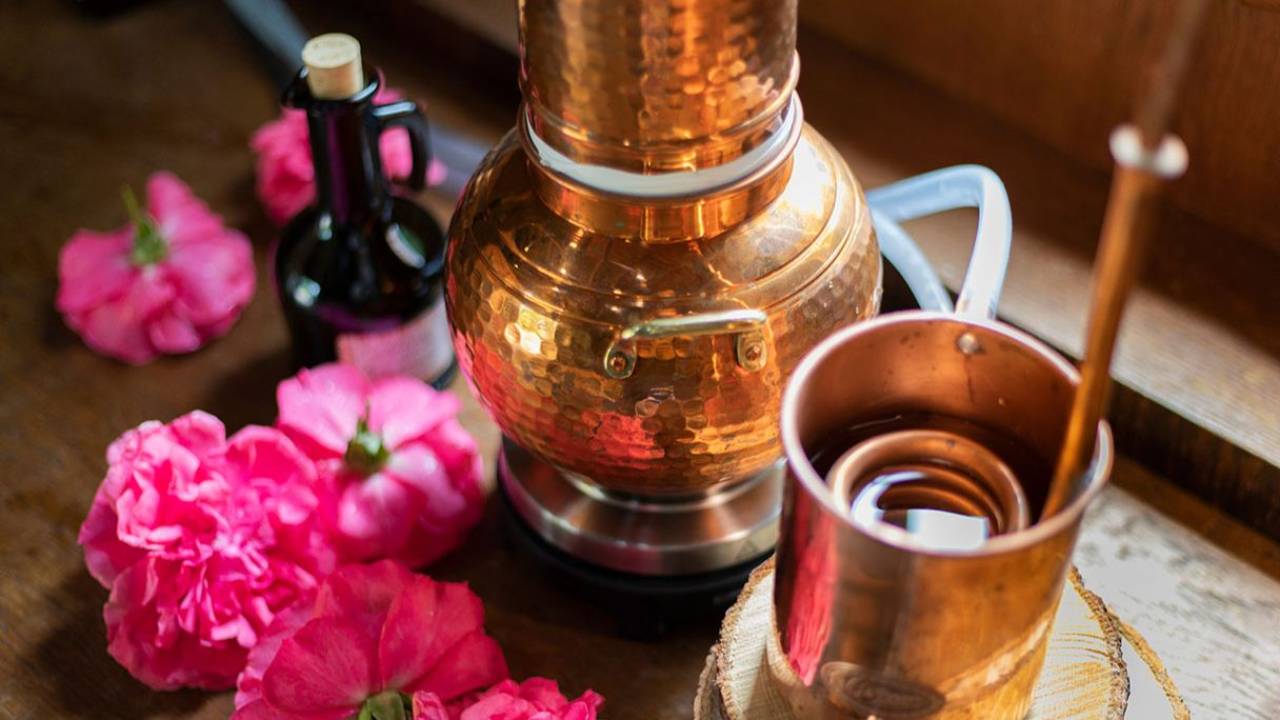
A hydrosol is created from a steam distillation of plant material. Hydrosols are non-alcoholic distillates that make aromatic floral waters. Many hydrosols contain micro amounts of essential oil constituents, which makes them much more gentle than essential oils but still effective.
What other hydrosols can I use for my skin?
The opportunities are endless! Hydrosols make excellent facial toners and skin refreshers. Calendula hydrosol, neroli hydrosol, cornflower hydrosol, and yarrow hydrosol are some other excellent floral waters.
How else can I use hydrosols?
Beyond their direct application, these aromatic botanical waters can be part of many herbal DIY formulations. Hydrosols can form the base of face lotions, clay masks, facial toner blends, sun creams, herbal face masks, eye pads, and can add a gentle essential oil fragrance to DIY body products. Check out this herbal seaweed cream recipe for inspiration.

Footnotes
The Herbal Remedy Vault has all of our printable recipe cards...