Herb Notes: The Benefits of Elecampane
Long before it had a Latin name, elecampane had legends. Some said elves lived beneath its enormous leaves. Others said the herb grew from the tears Helen of Troy wept as she was carried from her homeland. And then there was the practical matter of elf arrows: according to early European folk medicine, elecampane root was used to treat the wounds they caused.
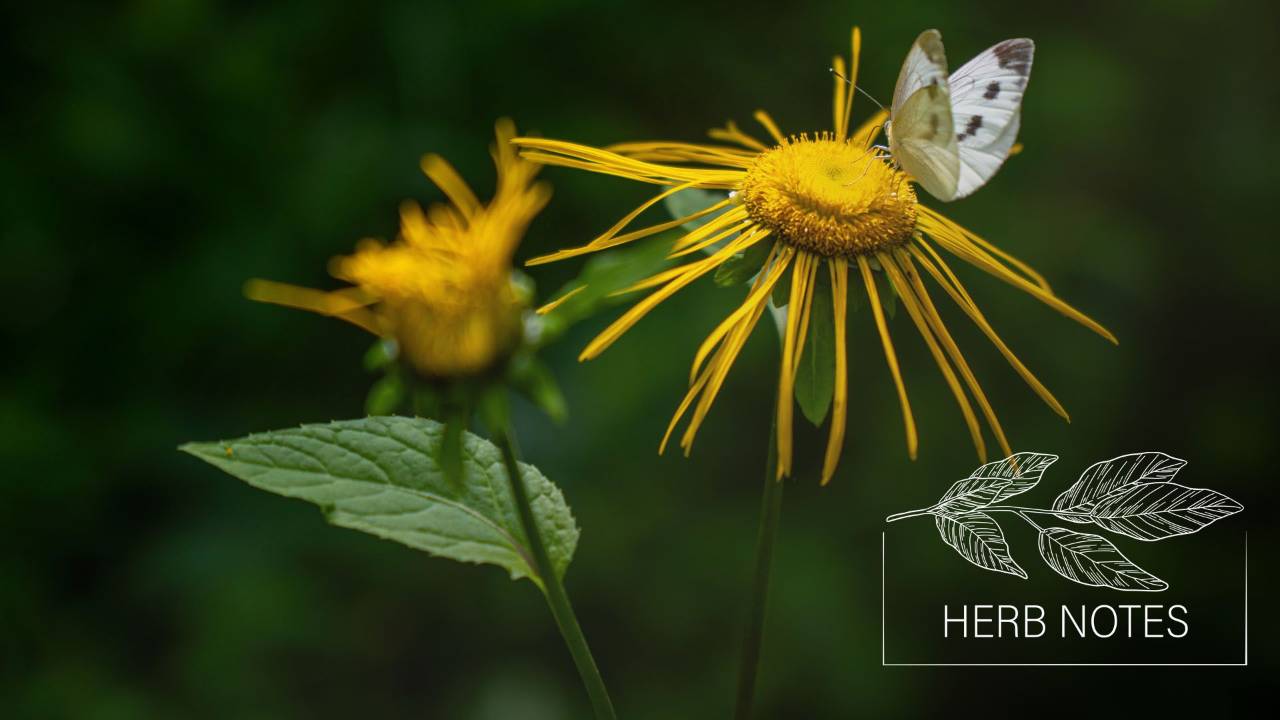
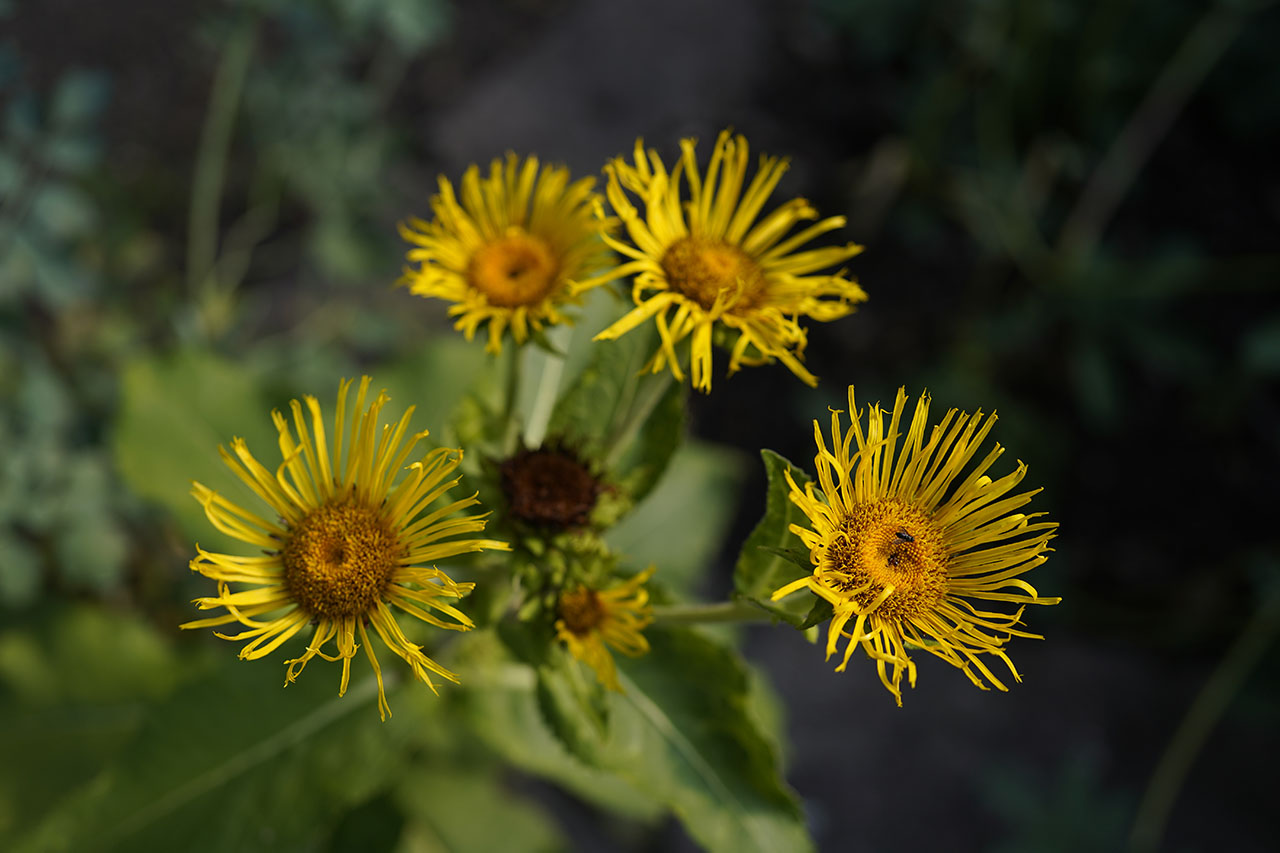
Elecampane (Inula helenium) is a striking plant, and it earns every inch of its mythology. In a garden, it can grow up to ten feet tall, with leaves stretching two feet long and a summer crown of bright yellow, daisy-like flowers that bees visit in droves. The roots – creamy white to yellow, spreading wide beneath the soil – are where all the medicine lives. Herbalists have treasured those roots for thousands of years.
Let's explore three medicinal uses of elecampane...
1. Elecampane for congested, boggy coughs
Elecampane is most famous in western herbalism as a remedy for coughs – specifically the wet, heavy, stuck kind. It's for the chest that feels full of cold, sluggish mucus that won't quite move, the cough that lingers for weeks in winter.
It works as a stimulating expectorant, which means it gets mucus flowing again rather than simply suppressing the urge to cough. Herbalist Matt Wood notes that elecampane can actually strengthen the cough reflex, helping the body do what it's trying to do: clear stagnant material from the lungs.
The root is also strongly antimicrobial. An in vitro study found that an elecampane root extract eliminated 100 percent of the MRSA strains it was tested against, though human clinical trials haven't been conducted. Historically, the herb was used for tuberculosis, and it has a mild supportive effect on the lymphatic tissue of the throat – useful when glands are swollen alongside a respiratory infection.
Elecampane is warming and stimulating. I works best for cold, relaxed, and congested lung conditions. It isn't the right remedy when the lungs are already dry or irritated.
2. Elecampane for slow, cold digestion
Elecampane is a wonderful digestive herb.
In energetic terms, its combination of pungent, bitter, and sweet tastes gives it a rich and layered action in the gut. The pungent taste warms and stimulates; the bitter taste drains and moves; and the sweet taste nourishes. Together, they make elecampane particularly well-suited to treat what herbalists call cold and damp digestion.
You may recognize this pattern: a sluggish appetite, food that feels like it sits in the stomach for too long, excess gas, a thick white coating on the tongue, and a general sense of sluggishness after meals. Elecampane gently kindles digestive fire, improving both breakdown and absorption of nutrients.
The herb also exerts a mild influence on the lymphatic tissue of the GI tract. When those tissues become stagnant, nutrient absorption suffers and immune function in the gut declines. Elecampane's stimulating action helps restore healthy flow to that system as well.
3. Elecampane and your gut microbiome
Elecampane is one of the richest plant sources of inulin in the herbal world.
Inulin – not to be confused with insulin – is a type of polysaccharide, a large carbohydrate molecule that plants store in their roots. The fresh root of elecampane contains up to 30 percent inulin by weight. This is remarkable because when you eat it, your upper digestive tract can't break inulin down. It passes intact to the colon, where the bacteria that live there can feed on it.
This makes elecampane a prebiotic – a substance that nourishes and supports healthy gut flora, rather than supplying probiotics directly. Feeding the bacteria already present in your gut is one of the sustainable ways to support microbiome health.
There's a secondary benefit for anyone managing blood sugar. Because inulin slows the absorption of sugars through the digestive tract, it reduces the sharp glucose spikes that contribute to insulin resistance over time. Research has also suggested that inulin may carry antioxidant properties that help reduce the systemic inflammation associated with type 2 diabetes.
Elecampane contraindications
Elecampane is a very safe herb, but a few things are worth knowing:
Pregnancy: Elecampane may act as a uterine stimulant. It's best avoided during pregnancy. (The Botanical Safety Handbook lists it as safe for pregnancy, but most contemporary herbalists prefer caution, and that's the approach we recommend.)
Asteraceae sensitivity: Elecampane belongs to the Asteraceae family. Those with known sensitivities to plants in this family — ragweed, chamomile, echinacea, and relatives — may be susceptible to contact dermatitis. Avoid or start with very small doses if this applies to you.
Dosing: Large doses can cause nausea. Start low and work up gradually until you feel the herb's effects without unpleasant side effects.
Want to Learn More About Other Common Herbs' Benefits?
You've learned a little bit about the health benefits of elecampane. You might be wondering how you can learn more about the medicinal properties of other common plants.
The easy way to get more info about some of our favorite herbs: download a FREE deck of our top 12 Herb Notes here. You'll learn all about the medicinal properties of common herbs like elderberry, dandelion, and more.
P.S. Here are some frequently asked questions about elecampane...
What is the best way to work with elecampane?
Start with what you have access to. If you grow elecampane, you can harvest the roots in fall after the plant has gone to seed, or in early spring before it puts its energy into the leaves — fall roots are generally preferred. Fresh root can be infused into honey, macerated in wine (port works deliciously), or extracted in alcohol. Dried root can be decocted into a tea or syrup, or extracted as a tincture. For acute coughs, herbalists recommend smaller, more frequent doses rather than one large daily dose. Rosalee de la Forêt suggests starting with a low dose and increasing slowly until you feel results without excessive drying or nausea.
What parts of elecampane are used?
The root is the part used medicinally, both fresh and dried. Western herbalists work almost exclusively with the root of Inula helenium. Asian traditions sometimes use flowers from related Inula species, though the roots of this species are considered significantly more medicinal.
What are the suggested doses for elecampane?
- Dried root: 3–9 grams
- Tincture: 1:5, 60% alcohol, 30–90 drops, 4–6 times per day


Footnotes
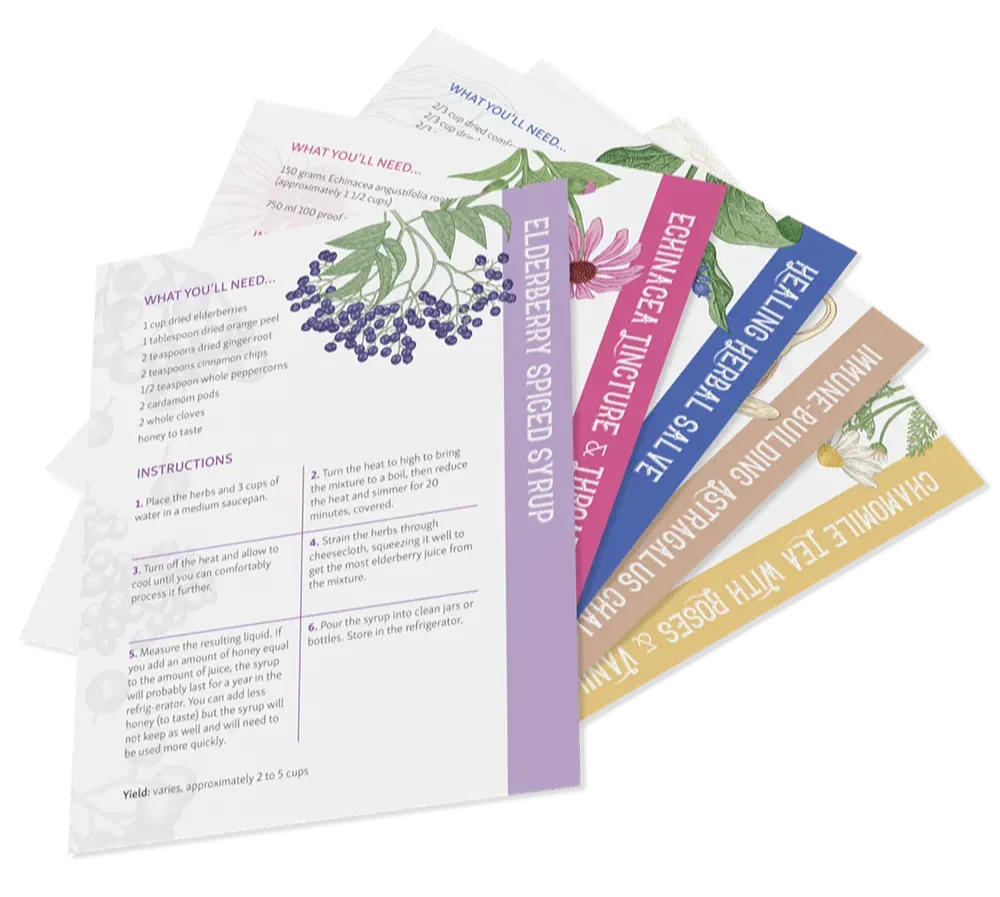
The Herbal Remedy Vault has all of our printable recipe cards...