Summer Kitchen Herbalism
This article presents a seasonal kitchen herbalism approach for summertime that will empower readers to embrace seasonal living and incorporate in-season herbs into their daily kitchen routines.
Summer Culinary Medicine: Seasonal Herbs for Cooling, Hydration, and Calm
As a Caribbean kitchen herbalist, summer is my favorite season. The herbs and produce I love most are at their absolute peak. The warmth of summer encourages us to get outside, move our bodies, and enjoy the abundance.
But summer brings its challenges, too. The drying heat,constant busyness, and end-of-day exhaustion can cause tension and lethargy in the body. Luckily, nature provides exactly what we need, exactly when we need it. Many summer herbs and seasonal produce are naturally cooling, hydrating, and nourishing, making them powerful allies for anyone practicing kitchen herbalism during the hot months.
This post will walk you through my three-part approach to seasonal kitchen medicine so you can start building your own summer herbal kitchen – whether you're a seasoned herbalist or just beginning to explore herbal remedies for everyday wellness.
My Approach to Seasonal Kitchen Medicine
When I think about seasonal kitchen herbalism, I come back to three guiding principles:
- Balance the season’s energy
- Know what’s local and in-season
- Choose appropriate methods of preparation.
These aren’t rigid rules, but a framework to help me make intuitive choices in the kitchen, in the garden, and at the farmer's market.
1. Balance the Energy of Summer
Summer is a season of heat, intensity, and outward movement. To stay well, the body needs support in three key areas: cooling, hydrating, and calming.
To stay cool, we need our food, herbal allies and everything in between to help us regulate our body temperature. But it’s not just about cold foods and drinks; it’s also about flavors and herbal energetics that are cooling, including refrigerants and antioxidants. Flavors like sweet, bitter, and astringency are important this time of year. In herbalism, “sweet” is associated with bland, nourishing flavors like oats and whole grain bread.
Hydration can include more than just drinking enough water. Mucilaginous plants - those that produce a slippery, gel-like quality - are deeply moistening, soothing, and cooling. Their healing properties help reduce internal inflammation and support the tissues that summer heat can dry out. Marshmallow is a famous mucilaginous plant, and can make a fantastic cold infusion in summertime.
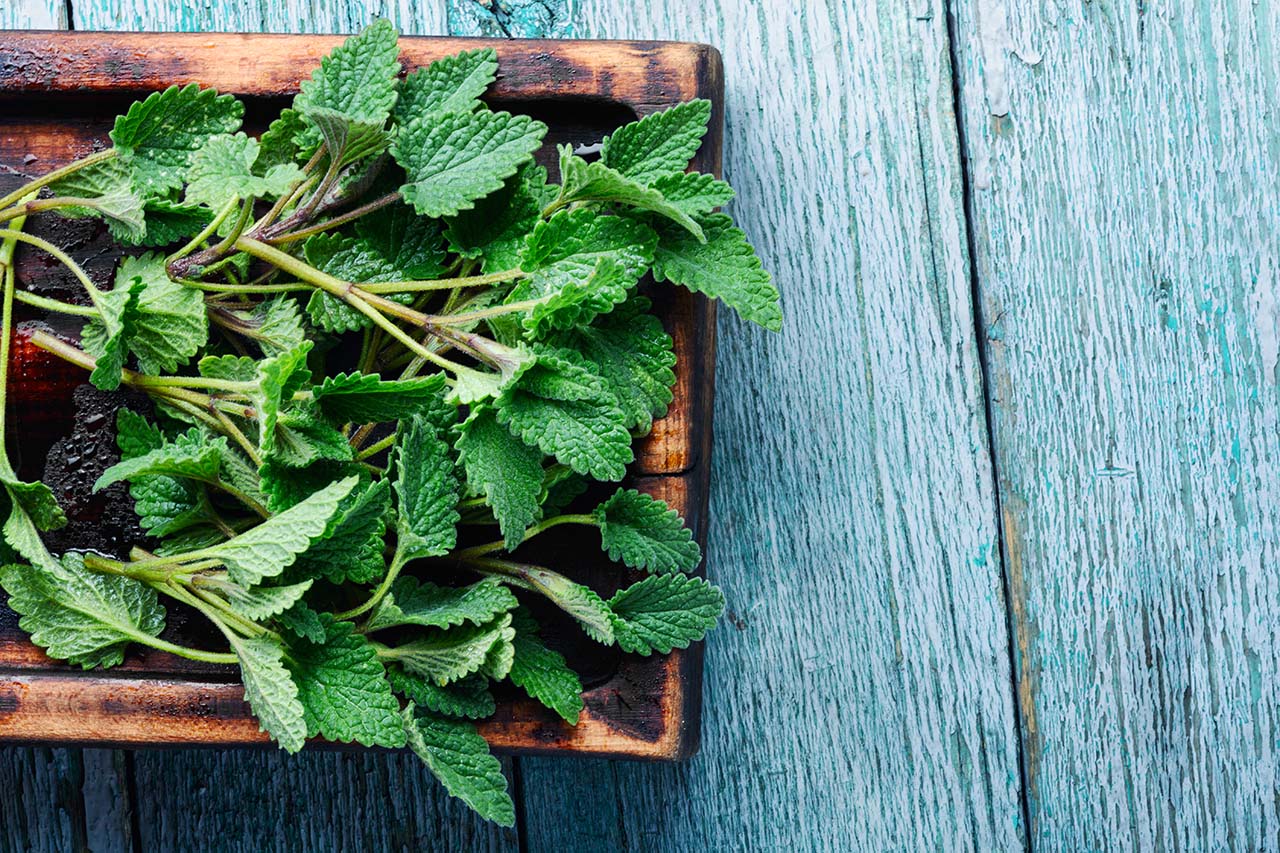
High activity, intense heat, and long days can bring up unpleasant feelings like irritability and exhaustion. Include nervines like lemon balm, chamomile, milky oat tops and lavender in your summer kitchen toolbox to calm those feelings and nourish the nervous system.

2. Know What’s Local and In-Season
Before deciding on herbs or produce, the first step is figuring out what's actually growing near you right now. This is where seasonal kitchen herbalism gets exciting and personal. It’s a form of nature connection! For example, for many people across the U.S., especially the South, summer is when peaches ripen and are at their peak.
To find out what’s in-season near you, you can use resources such as the Farmer’s Almanac Seasonal Calendar, the Seasonal Food Guide, or local grocery store’s guides to seasonal produce (for example, Sprout’s has an online guide).
Then, find places to get seasonal produce. Grocery stores are an option, but buying local at farmer’s markets or farm stands increases your chance of finding in-season produce and it’s a great way to support your community. You may not find everything on your grocery list but you’d be surprised what a “farms near me” or “farmer’s markets near me” search on the Internet or social media can generate. Talk to the farmers to understand what they grow and when. It varies by region, but here are some featured plants that are typically in-season during summertime across in the United States:
- Fruits: Stone fruit (peaches, cherries, plums), berries, mangoes, pineapple, melons, figs, grapes, apples
- Vegetables: Summer squash, beets, cucumbers, okra, leafy greens, corn, eggplant, fennel, tomatoes, spicy and sweet peppers, beans
- Flowers: Nasturtium, calendula, chamomile, lavender, rose
- Medicinal Herbs: Oat, hibiscus, basil, plantain, lemon balm, cilantro, dill, parsley, raspberry leaves, holy basil… and so many more!
3. Choose Appropriate Methods of Preparation
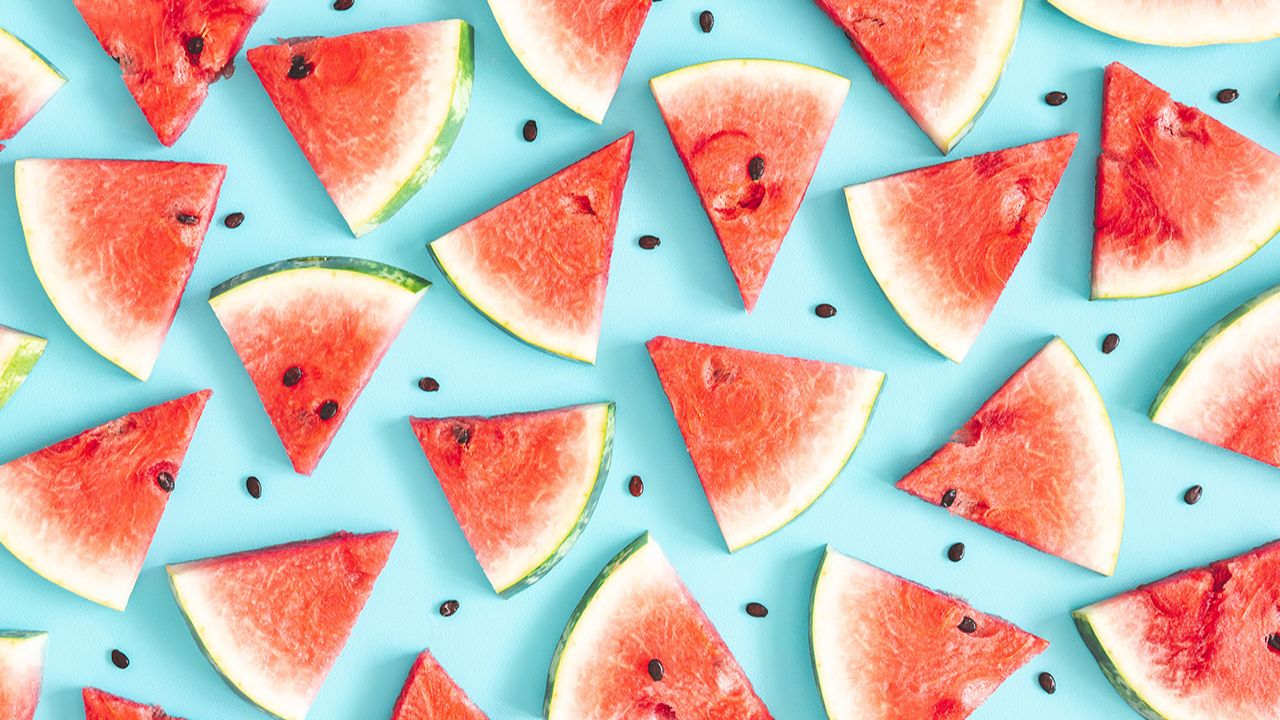
My first choice is always to simply eat the plants. I love to embrace the season with fresh herbs like cilantro and wild greens, edible flowers like nasturtium, and produce like watermelon and corn. There are also many wonderful ways to incorporate herbal allies into food, including herb sauces, spice blends, marinades, infused culinary oils, botanical salts and sugars, broths, and even granola.
To practice food as medicine, I focus on recipes with cooling, calming, and moistening properties. Here's how I think about it, organized by the body's summer needs:
For dryness and dehydration:
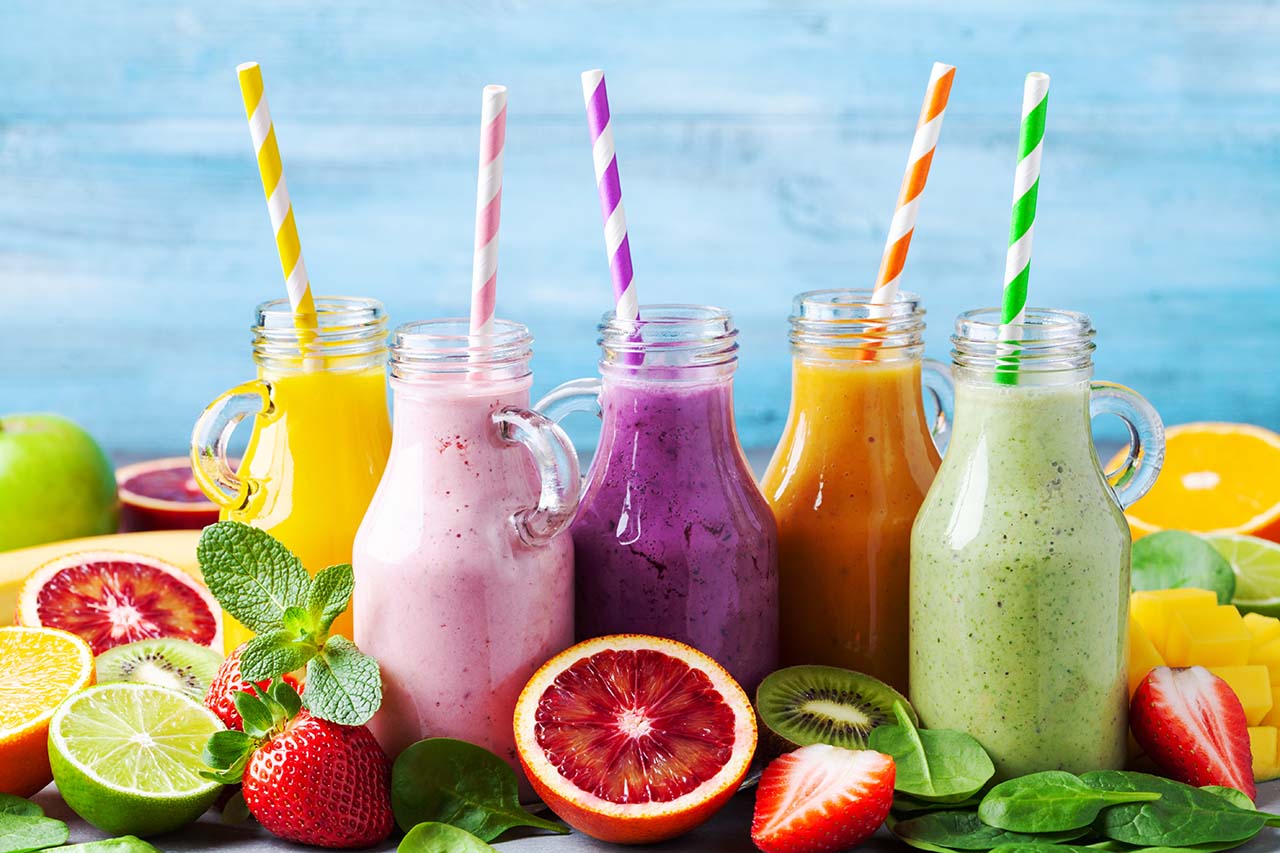
- Smoothies and fresh juices made with hydrating stone fruit and melons
- Nourishing botanical drinks and sun teas using cooling herbs like hibiscus and lemon balm
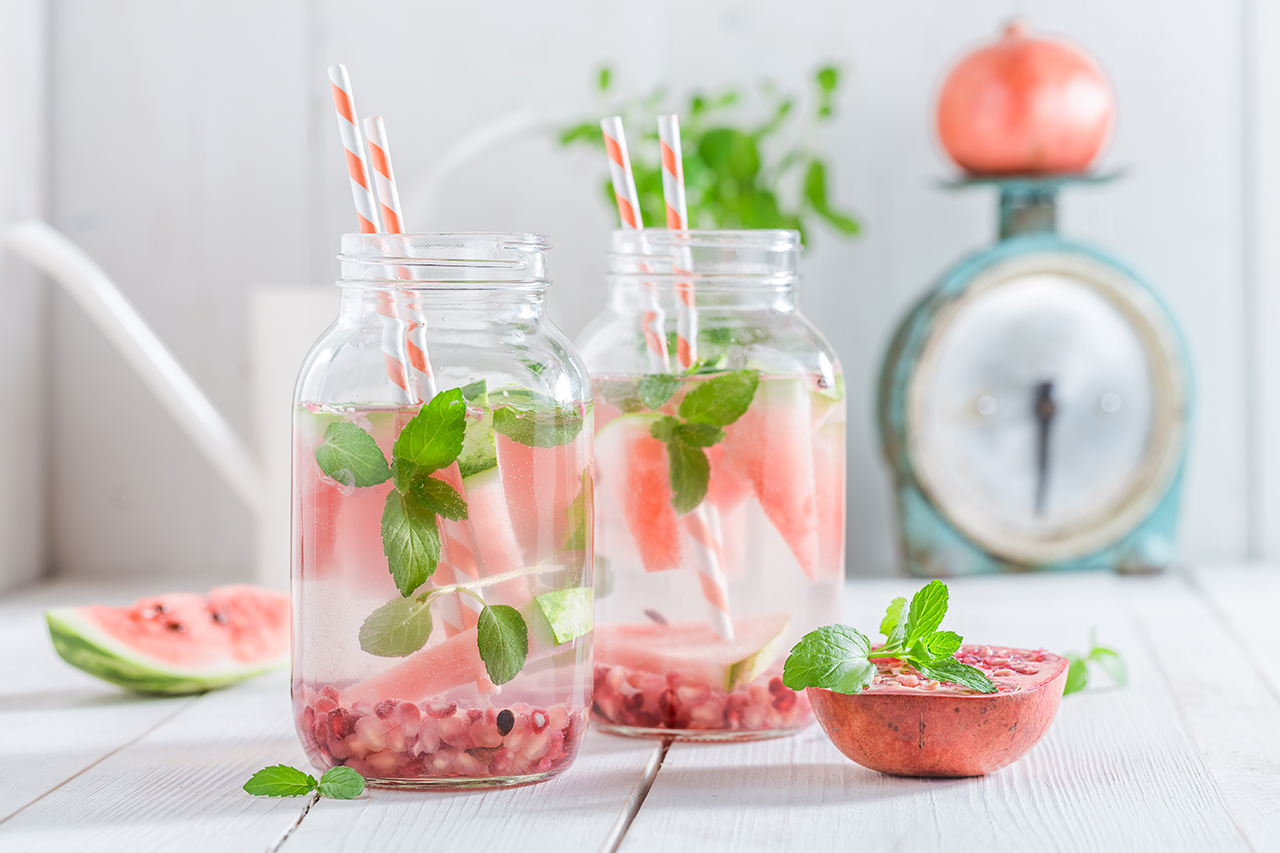
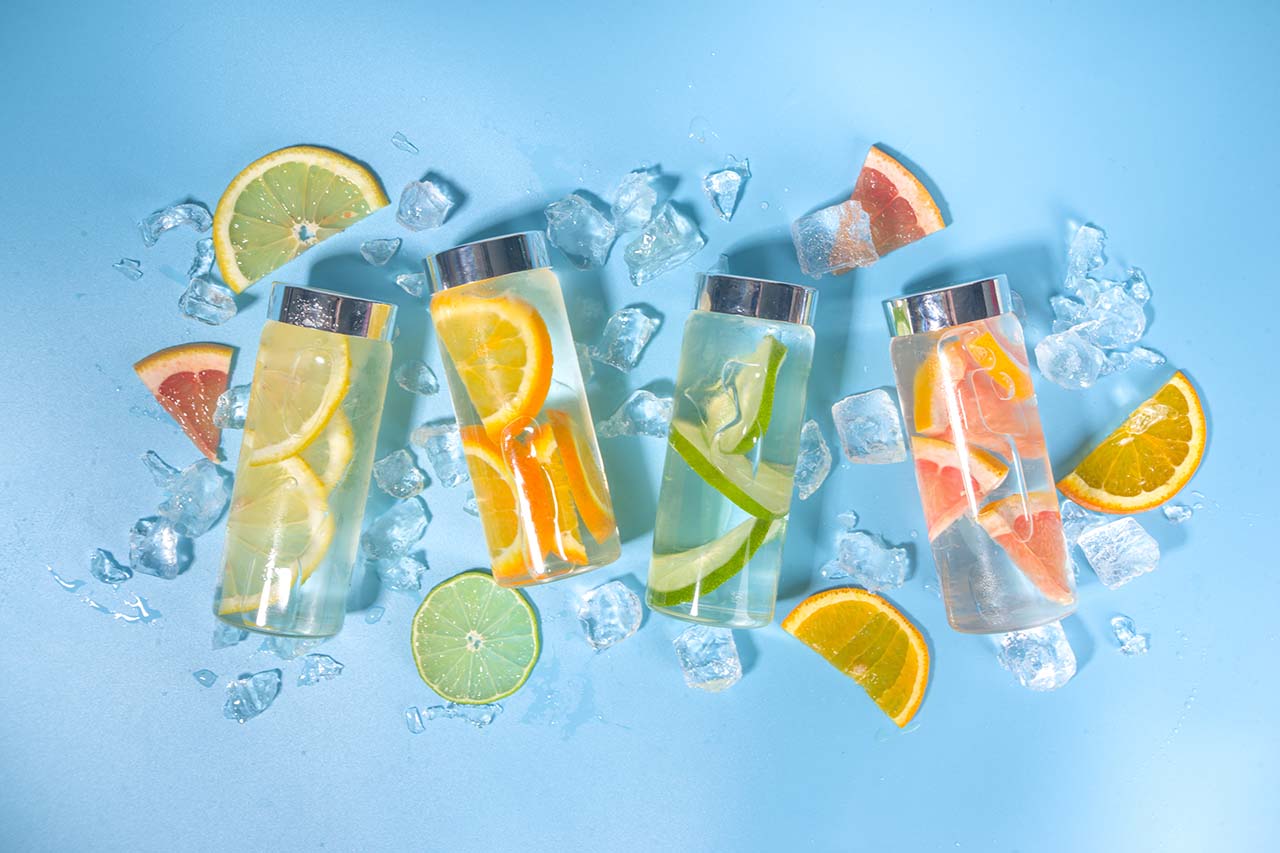
- Infused waters with cucumber, mint, or rose
- Infused honey – raw, local honey is naturally soothing and cooling, especially when infused with summer flowers in bloom
- Oatmeal and yogurt bowls loaded with chia seeds, flaxseed, and fresh fruit for a mucilage-rich, hydrating start to the day
For heat:
- Iced teas and herbal popsicles – brew a strong herbal tea, then freeze it into popsicles or ice cubes for a simple, refreshing treat. This chamomile hibiscus recipe is a favorite.
- Herbal vinegar preparations – vinegar is both cooling and astringent, and it draws minerals from plant material (important after a day of sweating). Infused vinegars can be used as a tincture-style tonic, a pickling base, or a homemade salad dressing.
- Recipes with plants that are nourishing, bitter, or astringent with antioxidant or refrigerant properties. Here is a short list of plant actions and herbal allies to choose from:
- Cooling and/or refrigerant: Hibiscus, lemongrass, mints, rose, peach leaf, basil
- Nourishing: Oat milky tops, grains, seeds, aloe vera leaf
- Bitter: Calendula, chamomile, bitter melon leaf
- Astringent: Raspberry leaf, calendula, damiana, soursop leaf
- Antioxidant: Garlic, ginger, lemon balm, berries, stone fruit
For irritation and tension:
- Evening nervine teas – despite the heat, evening teas can be incredibly soothing for the body after a long summer day.
- Stovetop hydrosols can also be helpful here as the base of a calming steam or room spray. This is where calming nervines and aromatics come in handy.
- Calming nervine: Chamomile, oat milky tops, california poppy, lavender
- Aromatic: Rose, mints, lavender, lemongrass
- Nourishing: Oat milky tops, grains, seeds, aloe vera leaf
Need herbs for your recipes? HerbMentor members get 10% off all Mountain Rose Herbs purchases. Learn more and join here!
Winding Down the Day with Kitchen Herbalism
Here's what a restorative evening of summer culinary medicine might look like for me:
Afternoon cool-down: to rehydrate and cool down after some time outside, I enjoy making an afternoon mocktail with coconut water, cooled hibiscus tea, and lemongrass infused honey.
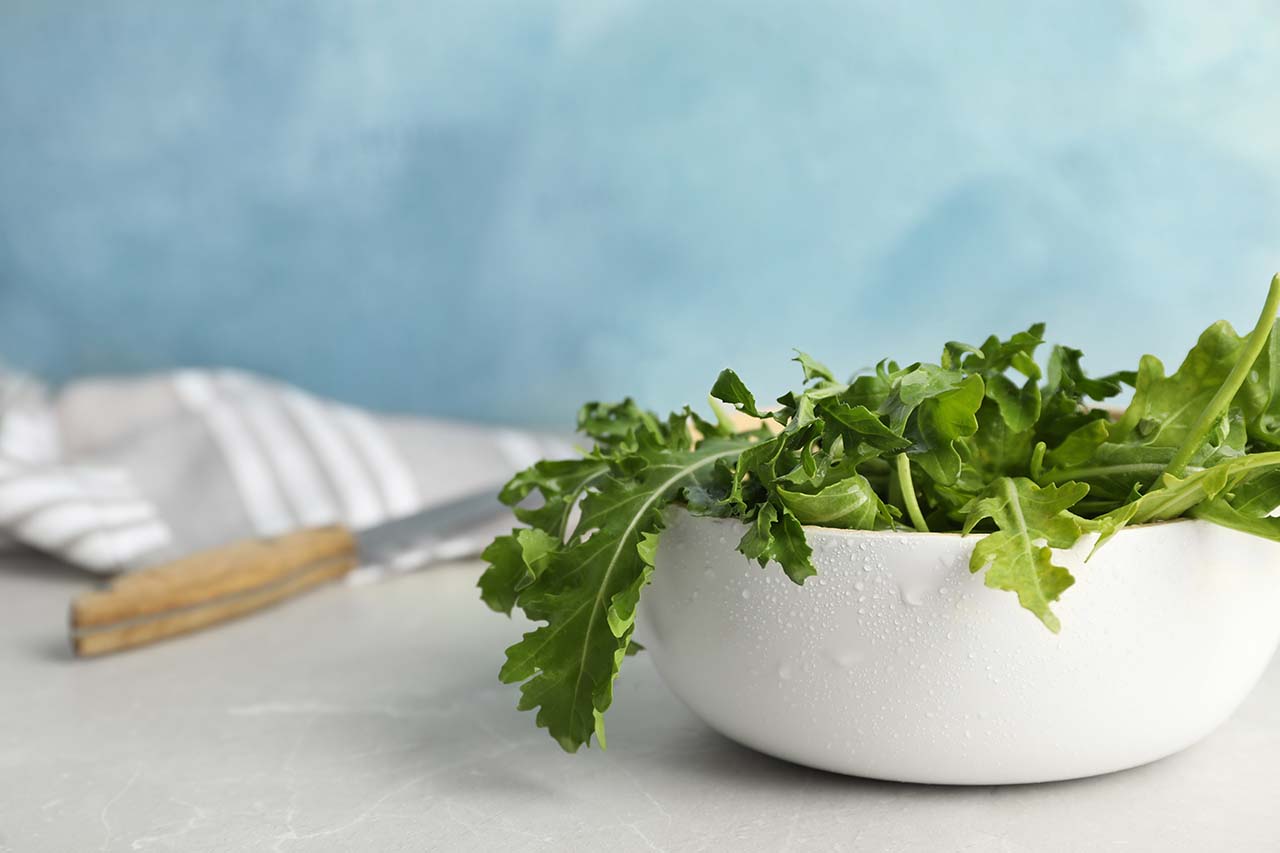
Dinner: for cooling nutrition, I like to make a salad with corn, arugula, cabbage, tomatoes, a garlic herb marinated protein, and pickled bell peppers with a spicy avocado herb vinaigrette.
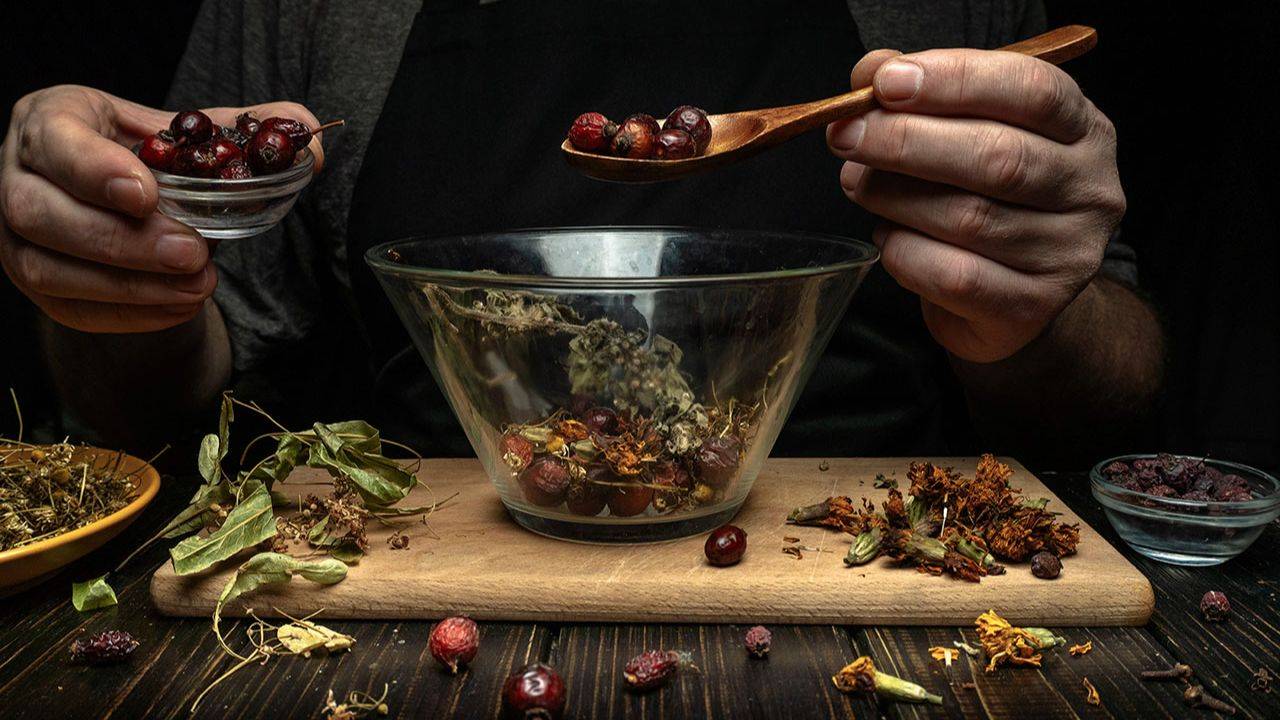
Before bed: After a long, hot day, I enjoy a nourishing decoction of oat milky tops, rose hips, and cinnamon, with a bit of milk and elder flower honey for cooling, antioxidant sweetness.
The Earth Grows What You Need, When You Need It
Summer kitchen herbalism isn’t about complicated recipes or exotic ingredients. It's about paying attention to the season, sourcing what's local and ripe, and trusting that the plants growing right now are the ones your body needs most.
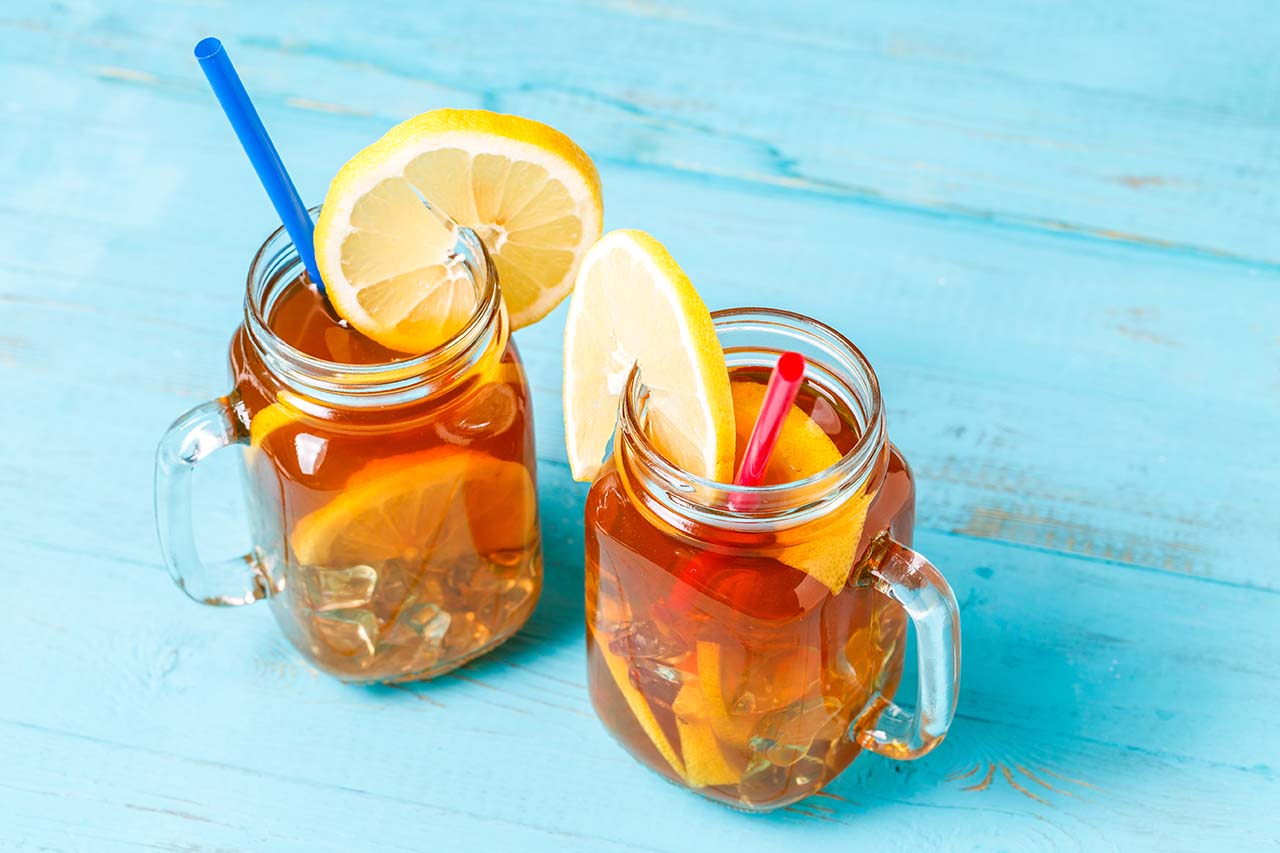
Start simple. Maybe create an iced tea recipe focused on hydration for a hot, active day or come up with a dinner centered around cooling, bitter flavors. Maybe develop a late afternoon tea practice with your favorite summer nervines. Let the season guide your kitchen.
The earth grows exactly what you need, when you need it the most.

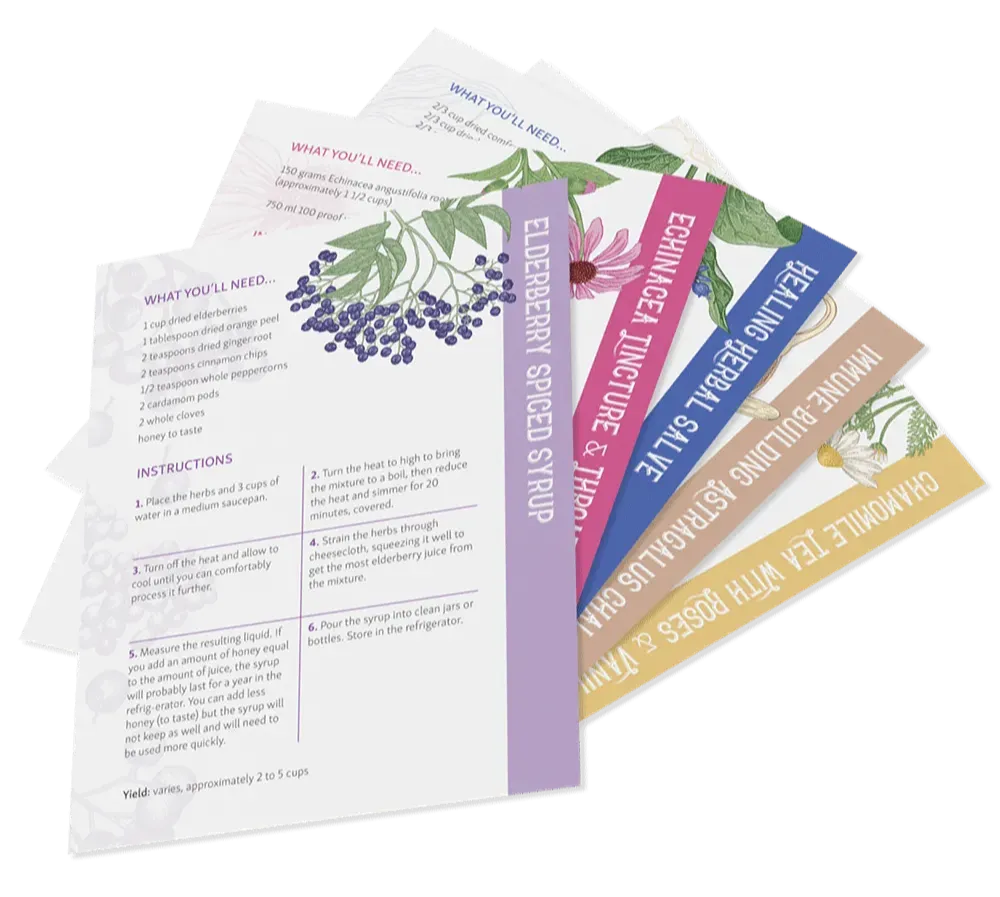
The Herbal Remedy Vault has all of our printable recipe cards...